Looking at homes in El Cajon and wondering whether an older property or a newer build is the better fit? You are not alone. Many buyers are drawn to El Cajon because it offers both long-established homes with character and newer infill projects shaped by the city’s growth. This guide will help you understand how El Cajon’s housing stock is evolving, what “historic charm” really means here, and what to weigh before you make a move. Let’s dive in.
El Cajon housing has two clear sides
El Cajon has a long history that started around Main Street and Magnolia Avenue, then expanded quickly after World War II. Today, the city still has a small-town feel while serving a population of more than 100,000 residents. That history shows up clearly in the housing market.
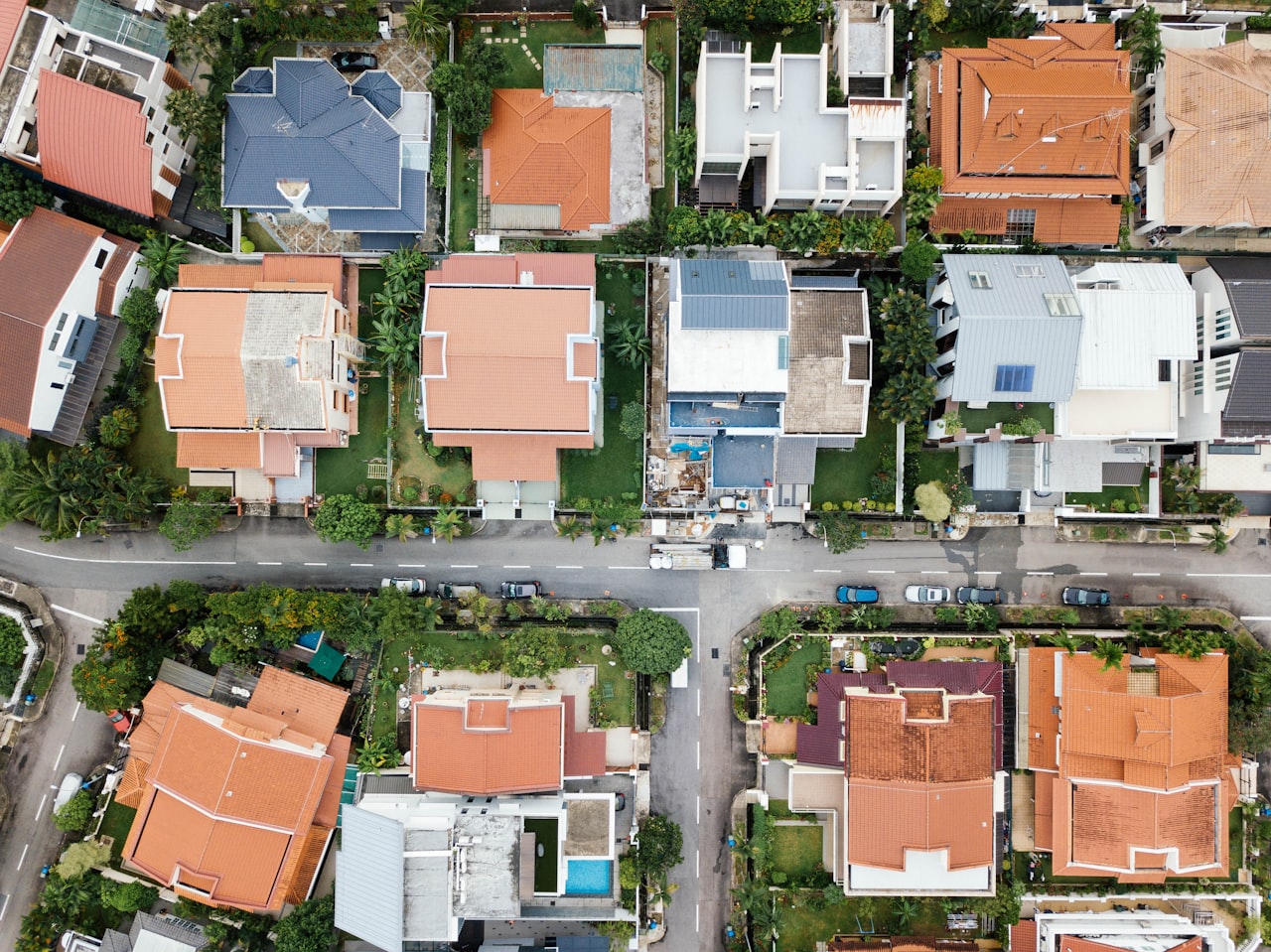
The city has a mix of established residential areas and newer development activity. Census Reporter’s ACS 2024 profile shows El Cajon had 33,340 housing units, with 96% occupied. It also reported that 51% of the city’s housing structures were single-unit properties and the median owner-occupied home value was $772,200.
That blend of older homes and newer housing pressure is not accidental. El Cajon’s 2021 to 2029 Housing Element estimated the city would need about 3,200 additional homes, condos, or apartments over eight years. In practical terms, that helps explain why you can find both long-standing neighborhoods and newer projects taking shape.
What historic charm means in El Cajon
When people talk about historic charm in El Cajon, they are often referring to areas tied to the city’s original growth pattern. The historic core around Main and Magnolia is central to that story. This part of the city reflects early civic and commercial life and helps explain why some streets feel more established than others.
El Cajon’s history also includes older adobe homes, the 1876 Knox House, and many years of small-town development before the postwar boom. That means “older home” in El Cajon can cover a wide range of ages and styles. It is less about one uniform look and more about a sense of place built over time.
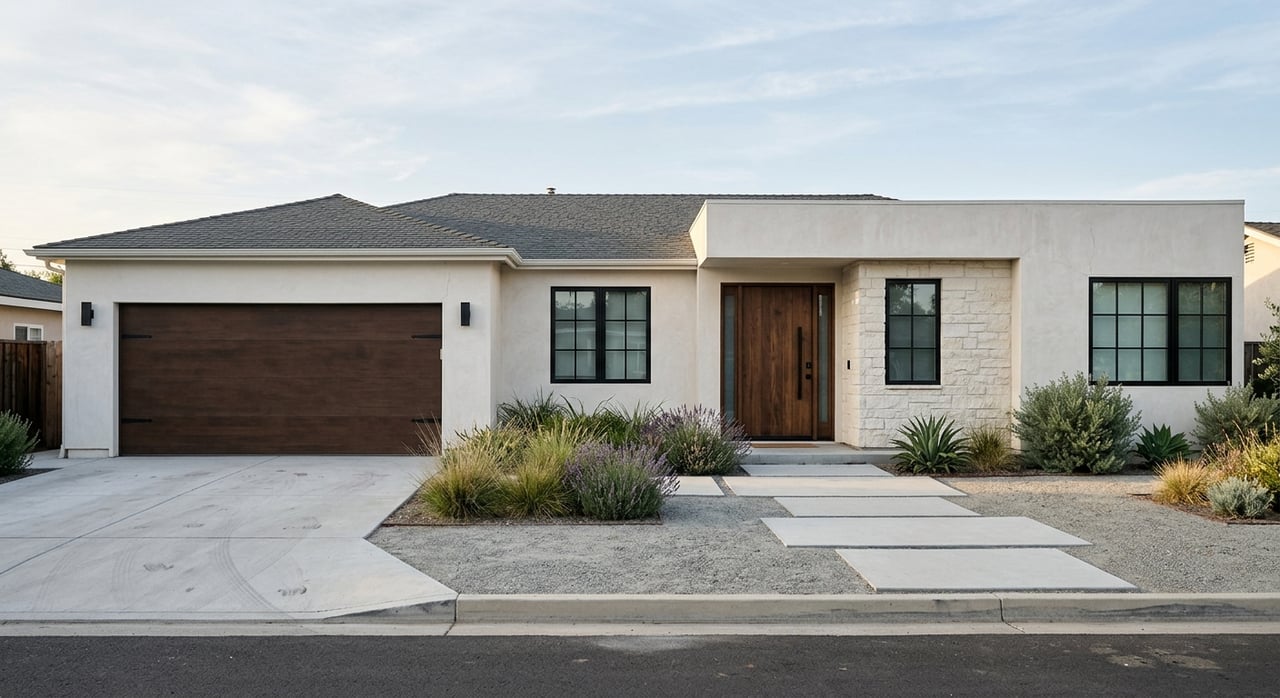
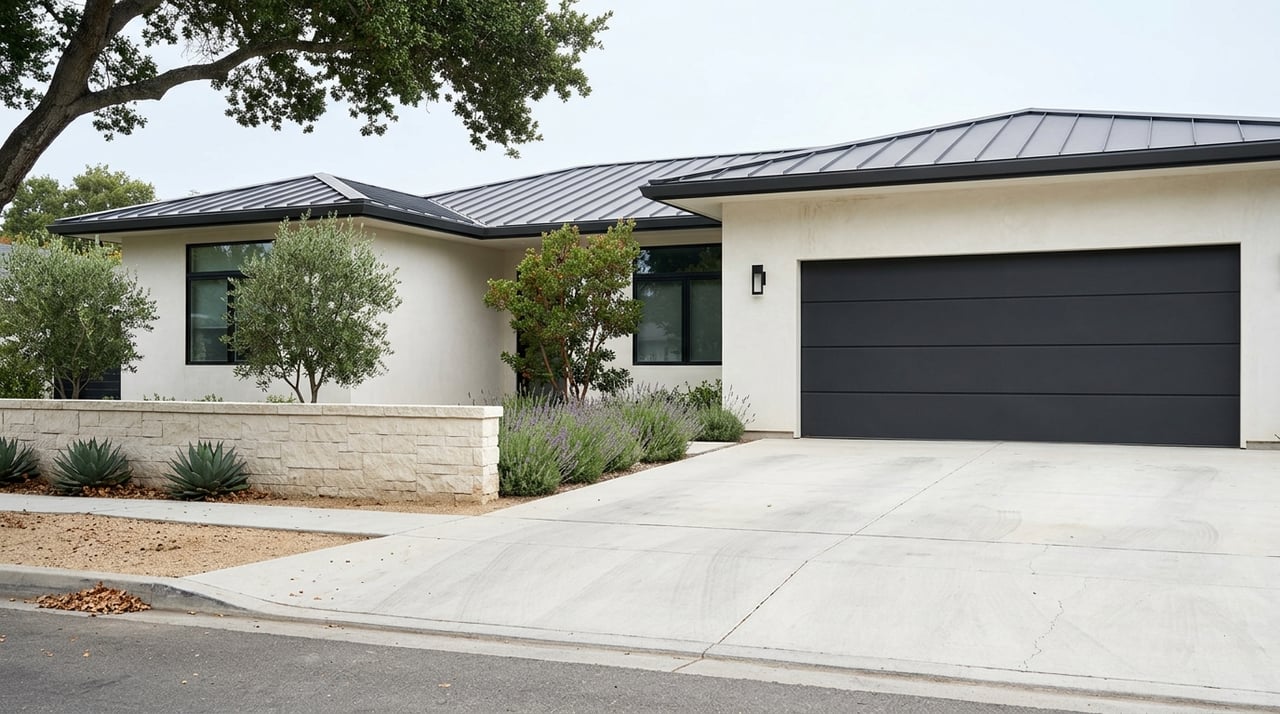
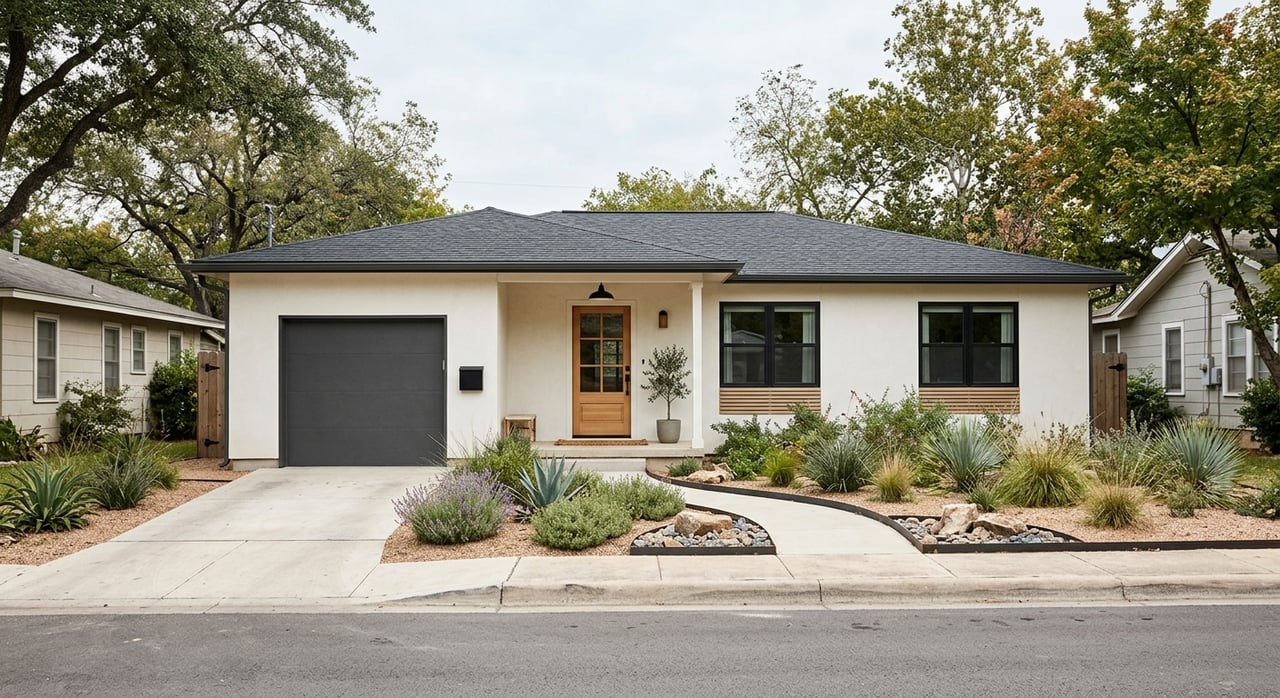
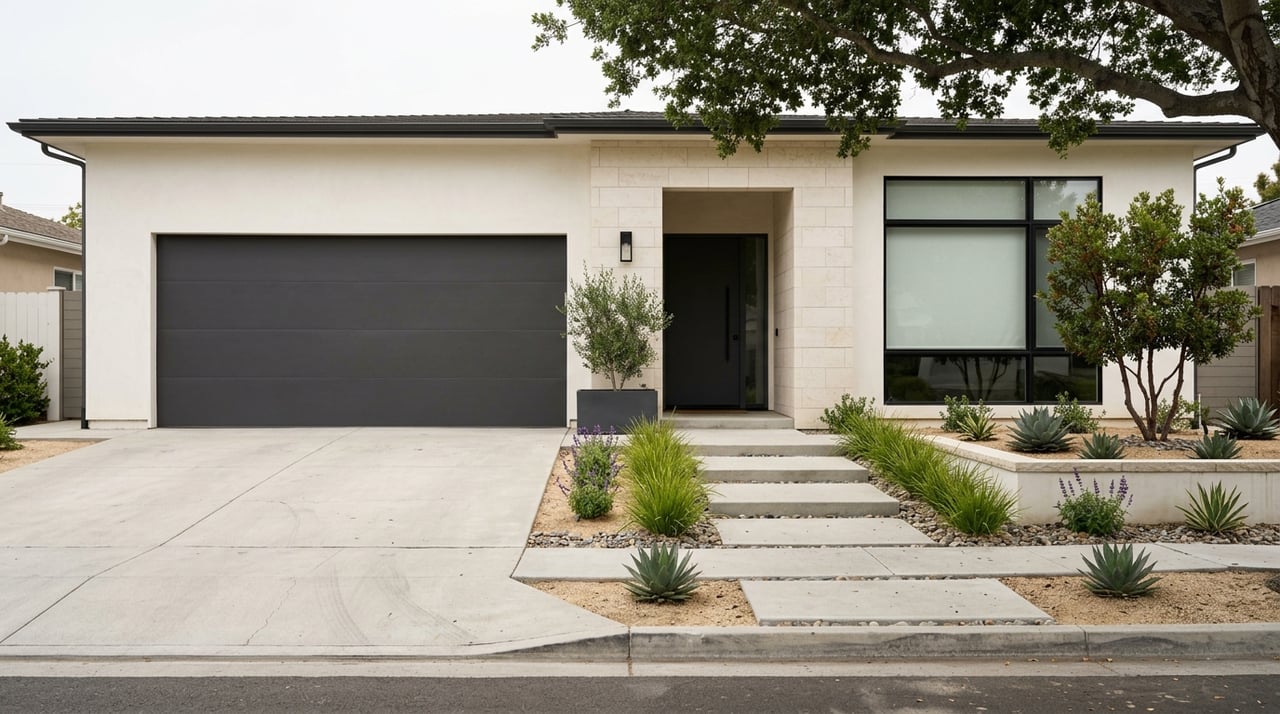
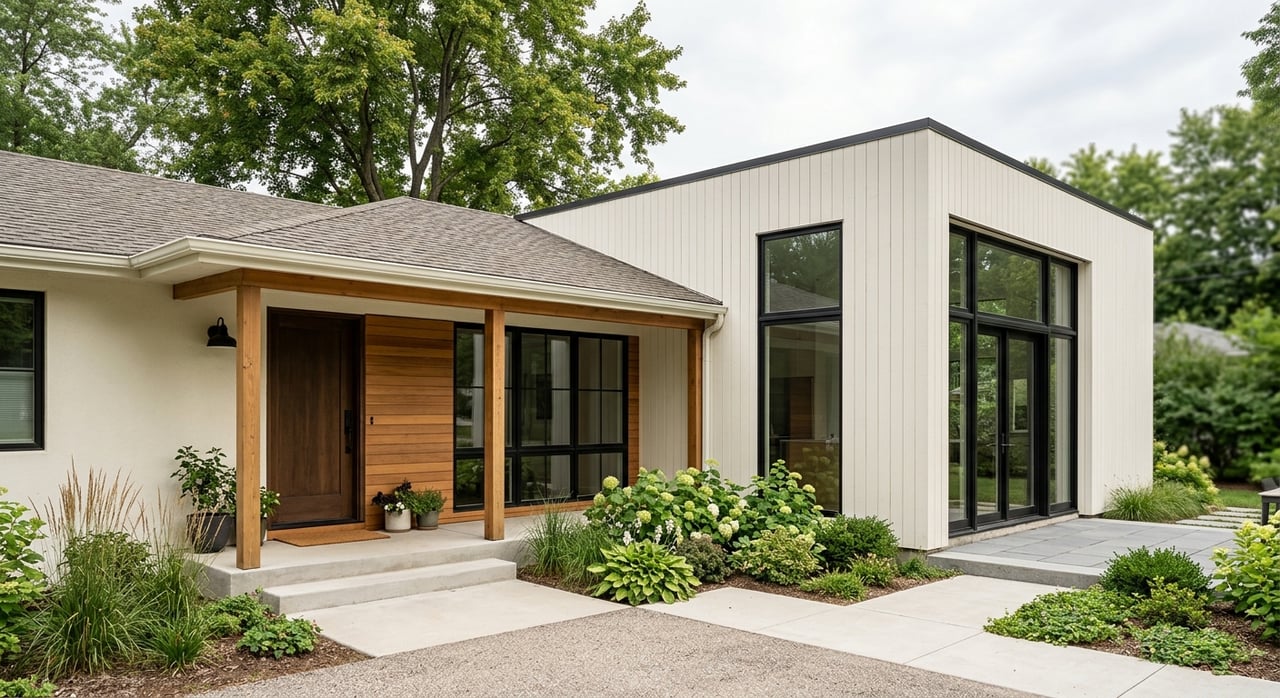
City analysis of the downtown and transit area identifies several postwar residential styles found in El Cajon. These include Minimal Traditional, Ranch, and Split-Level homes. If you like mature streets and architectural variety, these styles are part of what gives older El Cajon housing its appeal.
Older neighborhoods often feel more established
In long-established parts of El Cajon, the appeal is often about context as much as the house itself. You may notice streets that reflect the city’s earlier growth, homes built in different decades, and a more rooted feel than you would get in a newer infill project.
That does not automatically mean one area is better than another. It simply means your home search should match what matters most to you, whether that is character, layout, condition, or proximity to newer redevelopment areas.
Why older El Cajon homes need closer review
If you are considering an older home, inspections matter even more. El Cajon’s Housing Element, approved by California Housing and Community Development, states that 88% of the city’s housing stock was more than 30 years old and about 41% was at least 50 years old. That is a major factor in how buyers should evaluate condition and repair risk.
The same document explains that homes over 30 years old are more likely to need rehabilitation. Homes over 50 years old are more likely to require larger repairs such as roofing, plumbing, foundation, and electrical work. For buyers, that means charm should always be paired with a realistic review of systems and upkeep.
The city also notes that its Building Safety Group handles substandard housing conditions and code violations. That does not mean older homes are a problem by default. It does mean you should budget carefully, review disclosures closely, and use inspections to understand the true condition of the property.
Smart questions to ask about an older home
When you tour an older El Cajon property, it helps to focus on the basics first. A home with strong bones and updated systems may offer a very different ownership experience than one with deferred maintenance.
Ask questions like:
- How old is the roof?
- Have the plumbing and electrical systems been updated?
- Are there signs of foundation movement or long-term wear?
- What repairs have been completed recently?
- Is there visible deferred maintenance inside or outside the home?
These questions can help you compare homes more clearly and avoid getting distracted by cosmetic details alone.
Where newer builds fit into El Cajon
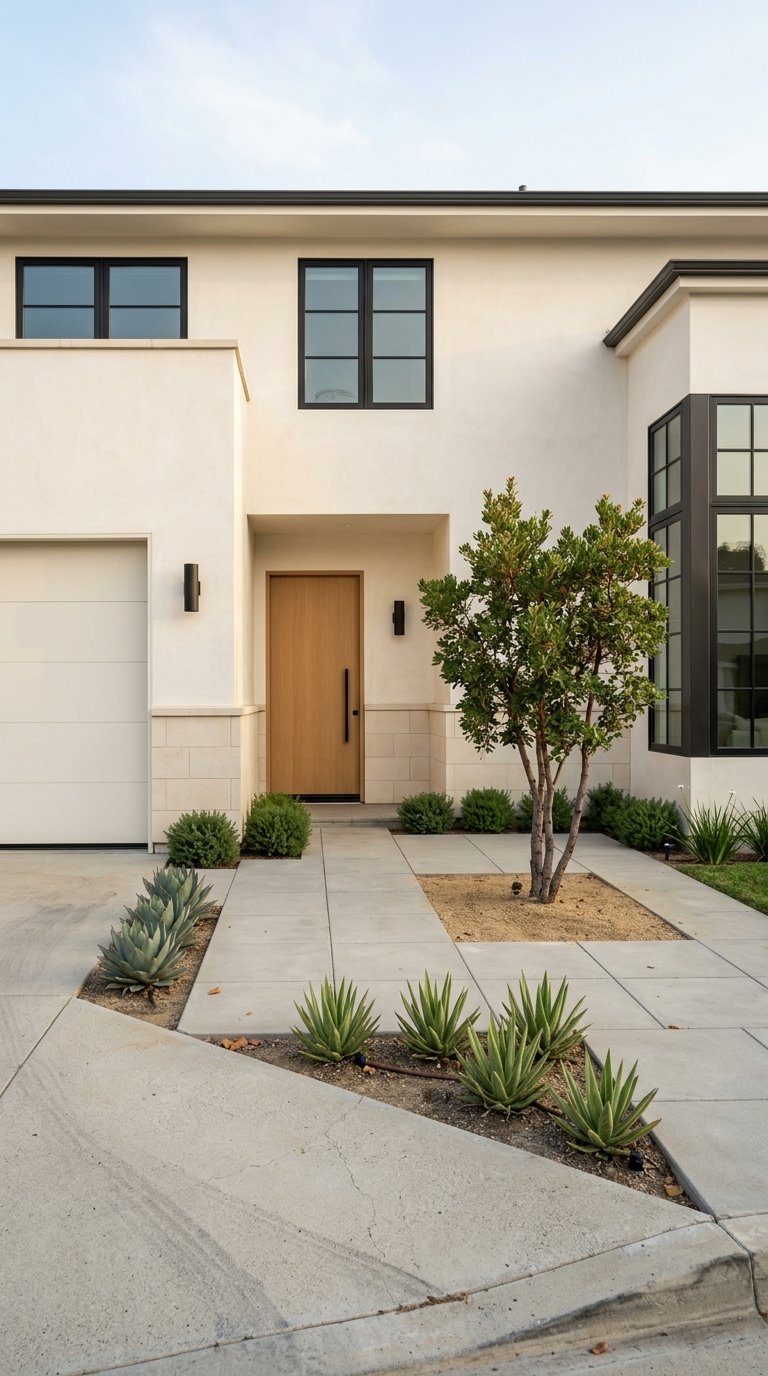
Newer homes are still part of El Cajon’s story, but they tend to look different from what you might expect in a city dominated by large master-planned expansion. Based on the city’s planning direction, newer housing is often tied to infill development, redevelopment corridors, and transit-oriented growth.
El Cajon’s Housing Element says the city is identifying sites for new housing and encouraging additional housing production. A 2022 city news release also described the Transit District Plan, which envisions a redefined neighborhood around the El Cajon Transit Station with new housing, green streets, and biking and walking improvements.
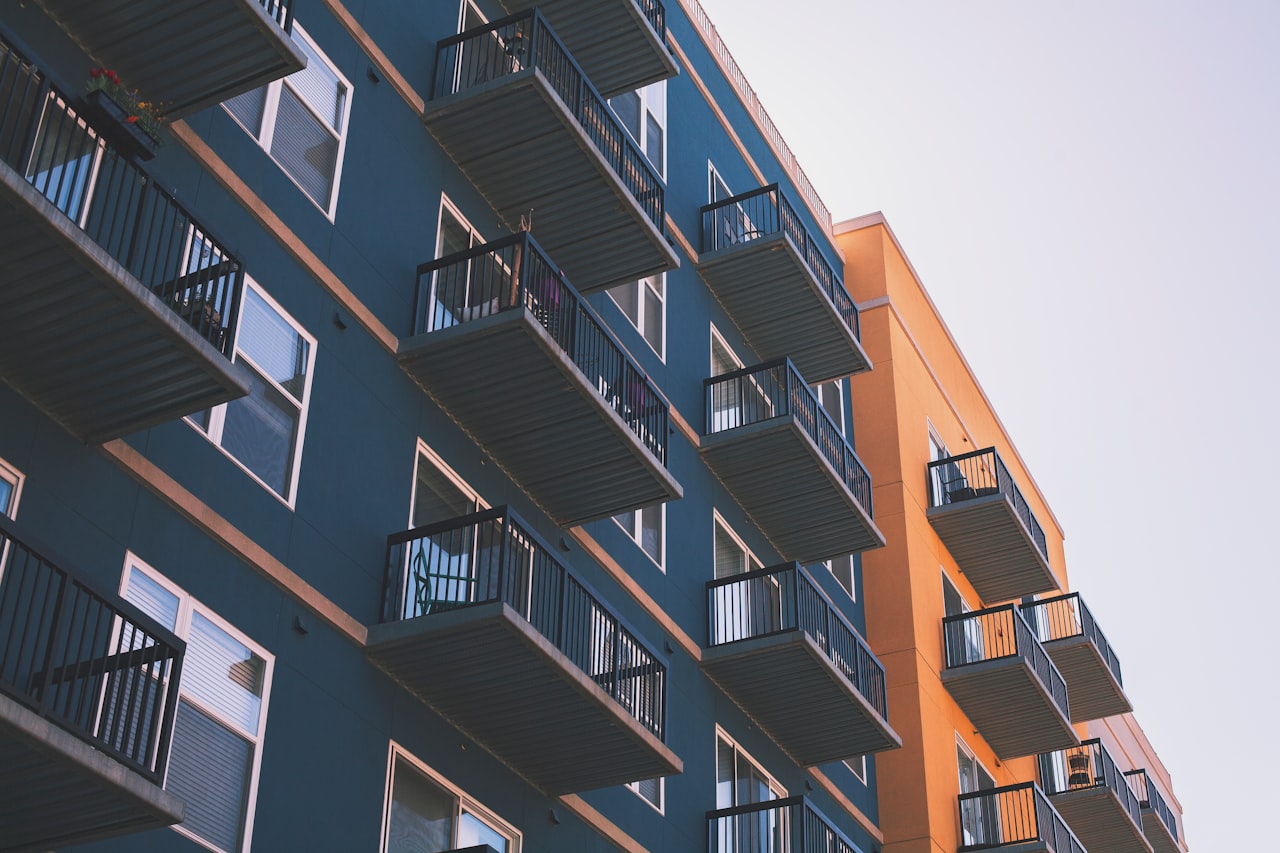
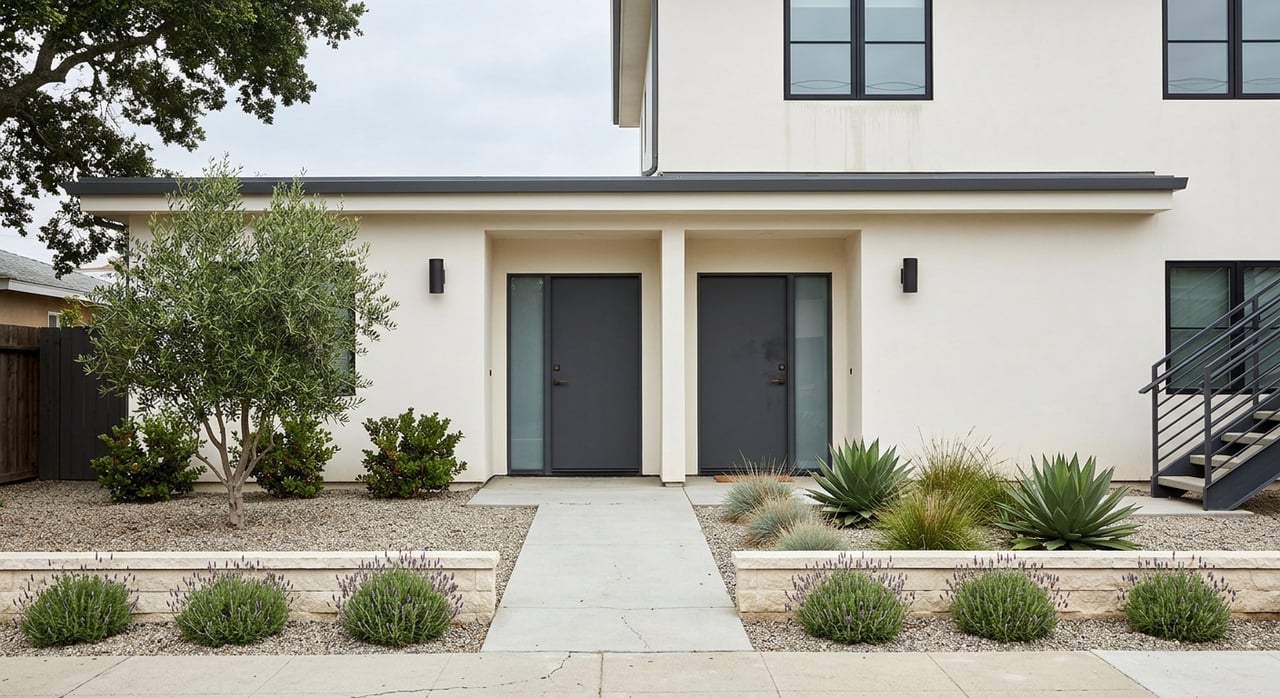
One example is 300 El Cajon Boulevard, identified by the city as the first catalyst project in the transit district plan. That project would add 116 townhomes. For buyers, this gives a helpful picture of what newer construction in El Cajon often looks like: townhomes, condos, and infill projects rather than large tracts of brand-new detached homes.
Newer homes may offer a different lifestyle fit
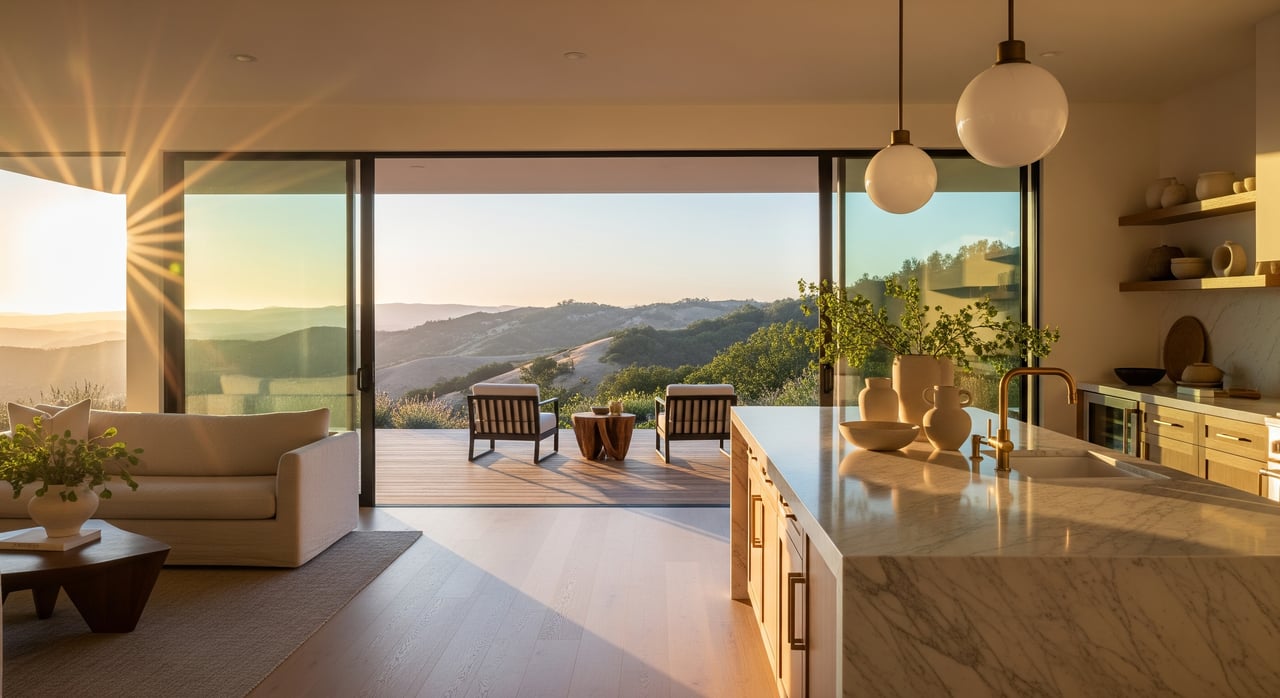
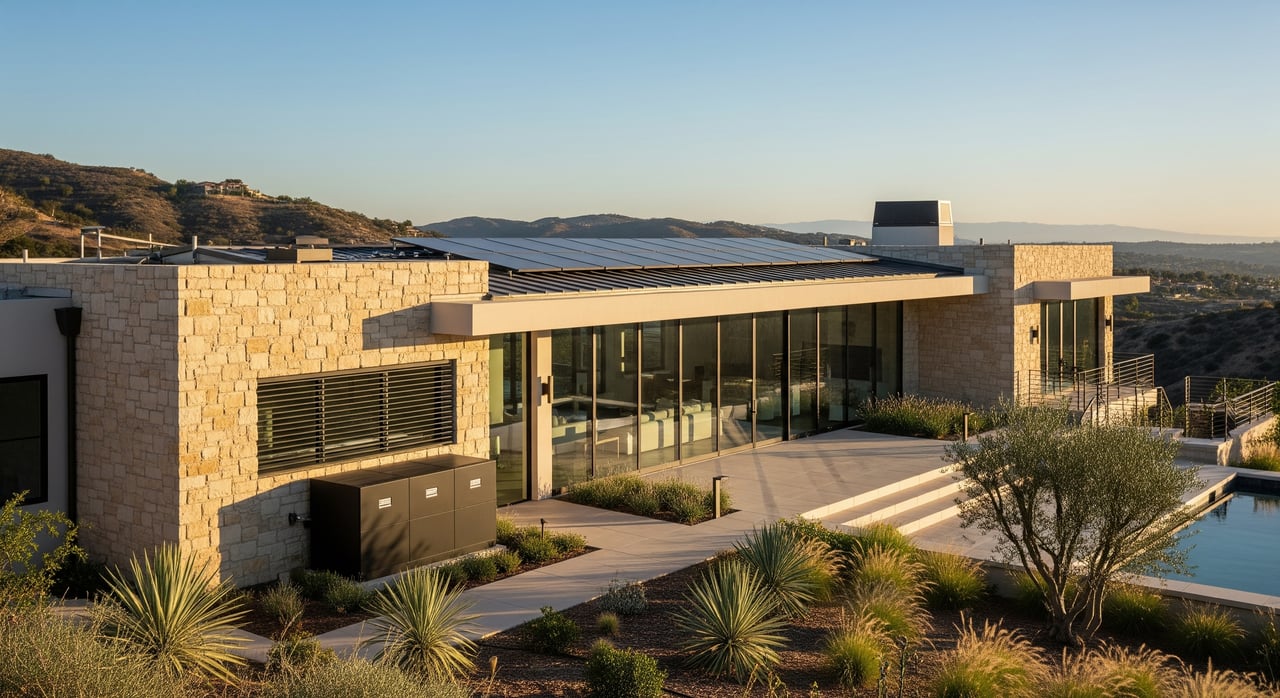
A newer build can appeal to you for practical reasons. You may prefer a more modern layout, newer materials, and potentially fewer immediate repair concerns. In some cases, newer housing may also align better with buyers who want lower-maintenance living or a location tied to redevelopment areas.
That said, newer does not always mean larger lot sizes or the same level of architectural variation you may find in older sections of the city. The tradeoff often comes down to condition and convenience versus history and established surroundings.
How to compare older homes and newer builds
If you are deciding between the two, it helps to simplify the comparison. In El Cajon, your choice is often less about old versus new in a broad sense and more about the specific property, its condition, and its location within the city’s development pattern.
Here is a quick side-by-side view:
| Feature | Older El Cajon Homes | Newer El Cajon Builds |
|---|---|---|
| Typical setting | Historic core or long-established areas | Infill and redevelopment corridors |
| Common appeal | Character, postwar styles, established streets | Modern construction, newer layouts, lower near-term upkeep |
| Watch-outs | Roof, plumbing, electrical, foundation, deferred maintenance | Project type, layout, HOA structure if applicable |
| Common formats | Detached homes with varied ages and styles | Townhomes, condos, and transit-oriented projects |
This kind of comparison can help you stay focused on what matters in your search. It also makes it easier to decide where you may be willing to compromise.
What this means for buyers in El Cajon
If you love personality and established surroundings, an older El Cajon home may be worth the extra diligence. You could find a property with style and location advantages that are hard to recreate in new construction. Just make sure you go in with a clear understanding of potential updates and repair costs.
If your top priority is a newer home with more current finishes and systems, El Cajon still offers options. You will likely find those opportunities in infill settings or redevelopment zones rather than in large-scale new subdivisions.
Either way, local context matters. Knowing how El Cajon grew, where older housing is concentrated, and where newer projects are emerging can help you make a more confident choice.
If you are weighing homes in El Cajon, a local team can help you compare the tradeoffs between charm, condition, and long-term value. The Lyle + Grace Team brings deep East County knowledge and a hands-on approach to help you find the right fit for your goals.
FAQs
Which parts of El Cajon are more likely to have older homes?
- Older homes are more commonly associated with the historic core around Main Street and Magnolia Avenue and other long-established parts of the city.
What architectural styles appear in older El Cajon neighborhoods?
- City analysis identifies Minimal Traditional, Ranch, and Split-Level styles in El Cajon’s older residential areas.
Are new homes still being built in El Cajon?
- Yes. El Cajon is planning for additional housing, and newer projects are often tied to infill, redevelopment corridors, and transit-oriented development.
Why do older El Cajon homes need extra inspection attention?
- The city’s housing data shows much of El Cajon’s housing stock is more than 30 years old, and older homes are more likely to need repairs involving roofing, plumbing, foundation, or electrical systems.
What kind of newer housing is most common in El Cajon?
- Based on city planning and recent projects, newer housing in El Cajon often includes townhomes, condos, and infill development rather than large master-planned subdivisions.