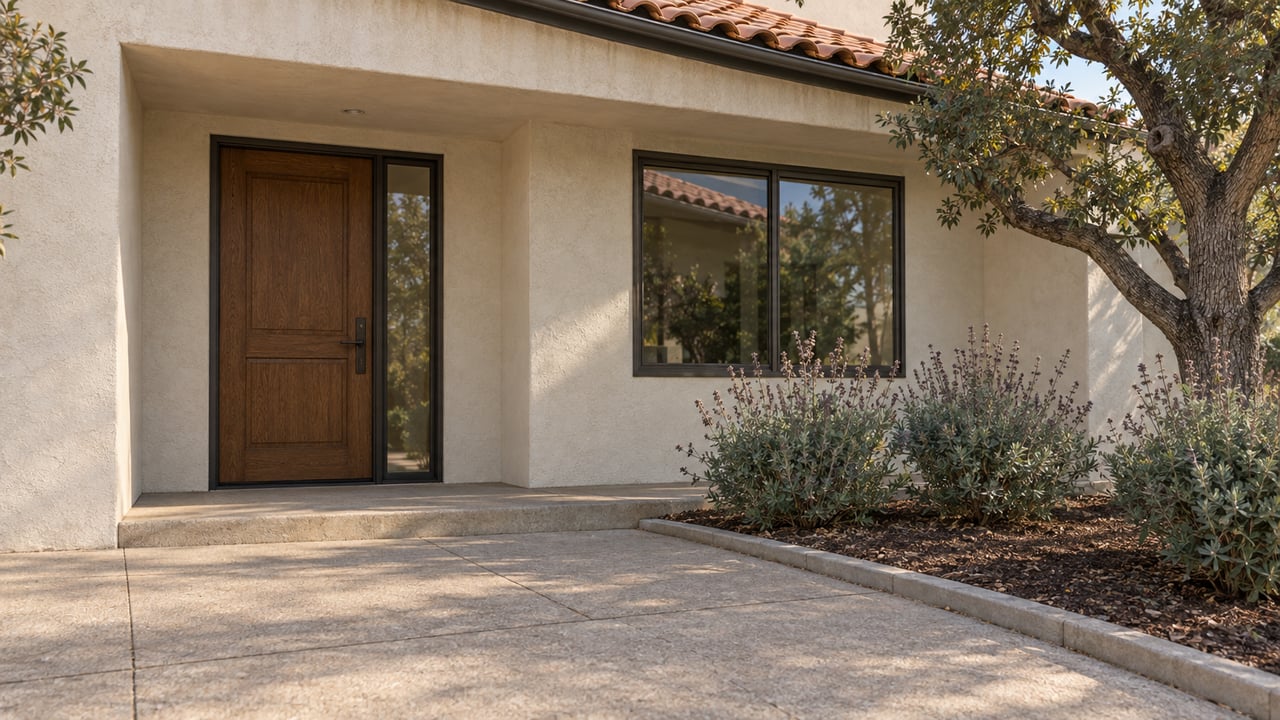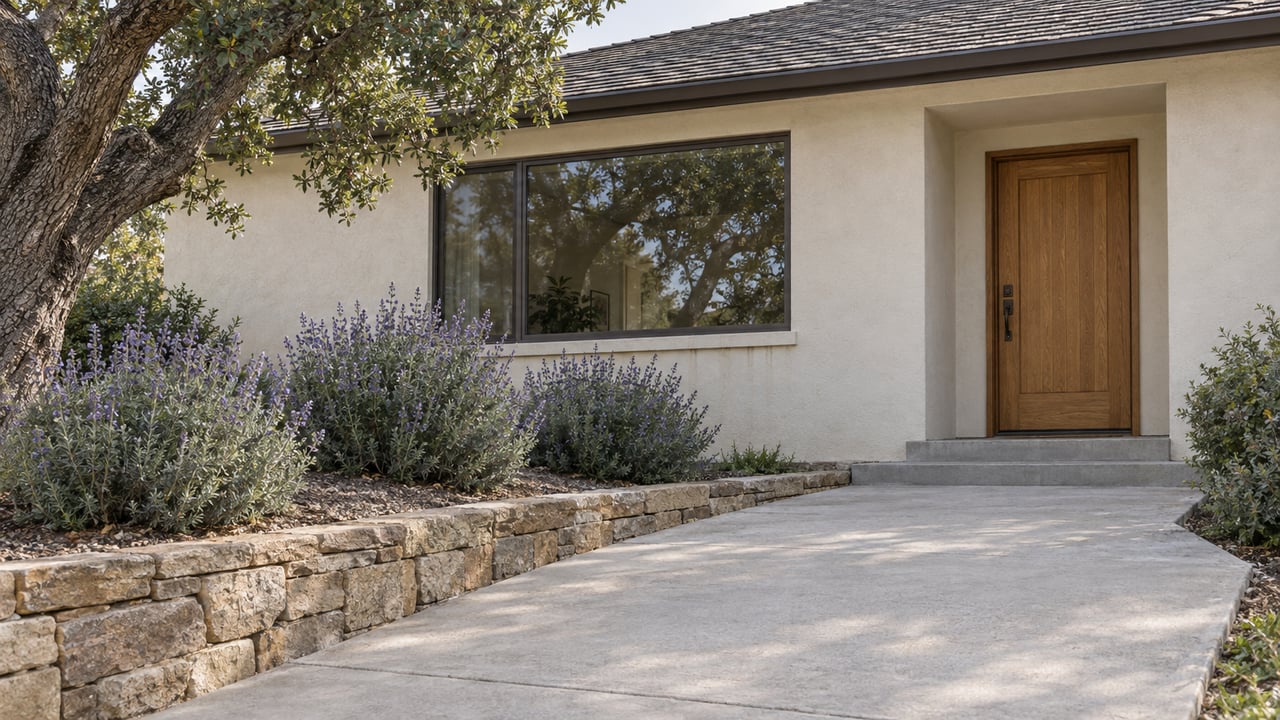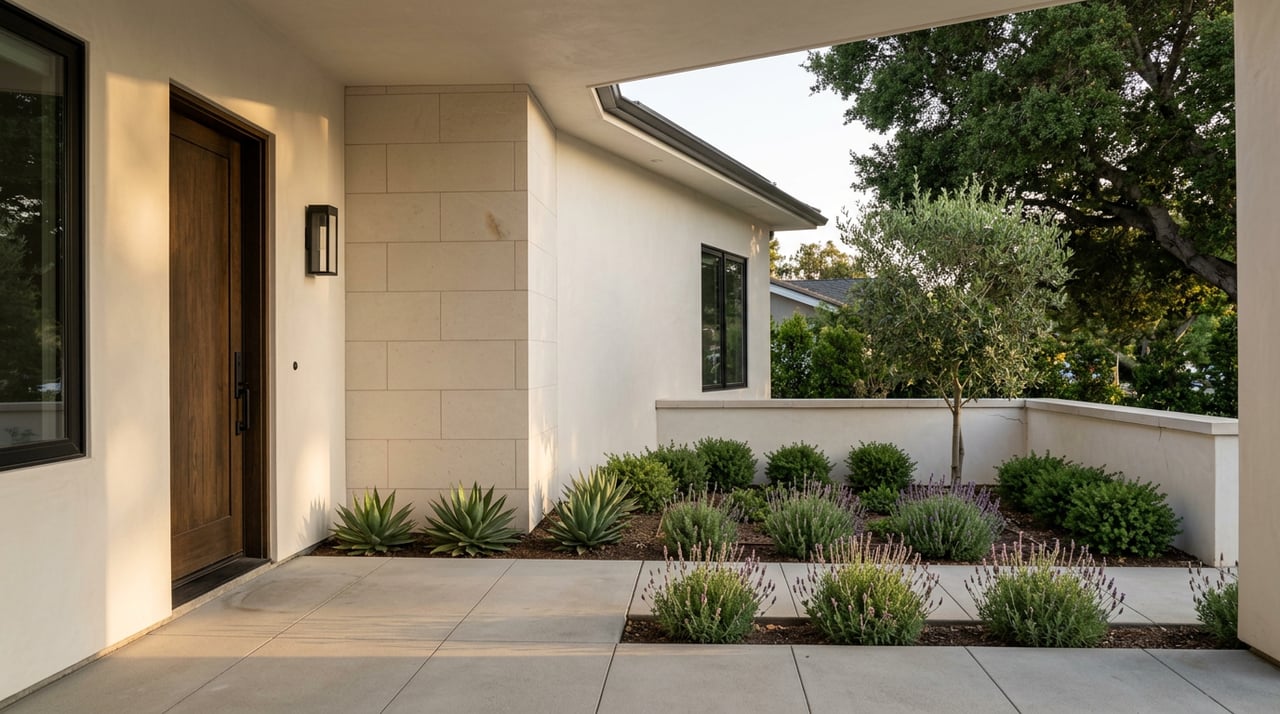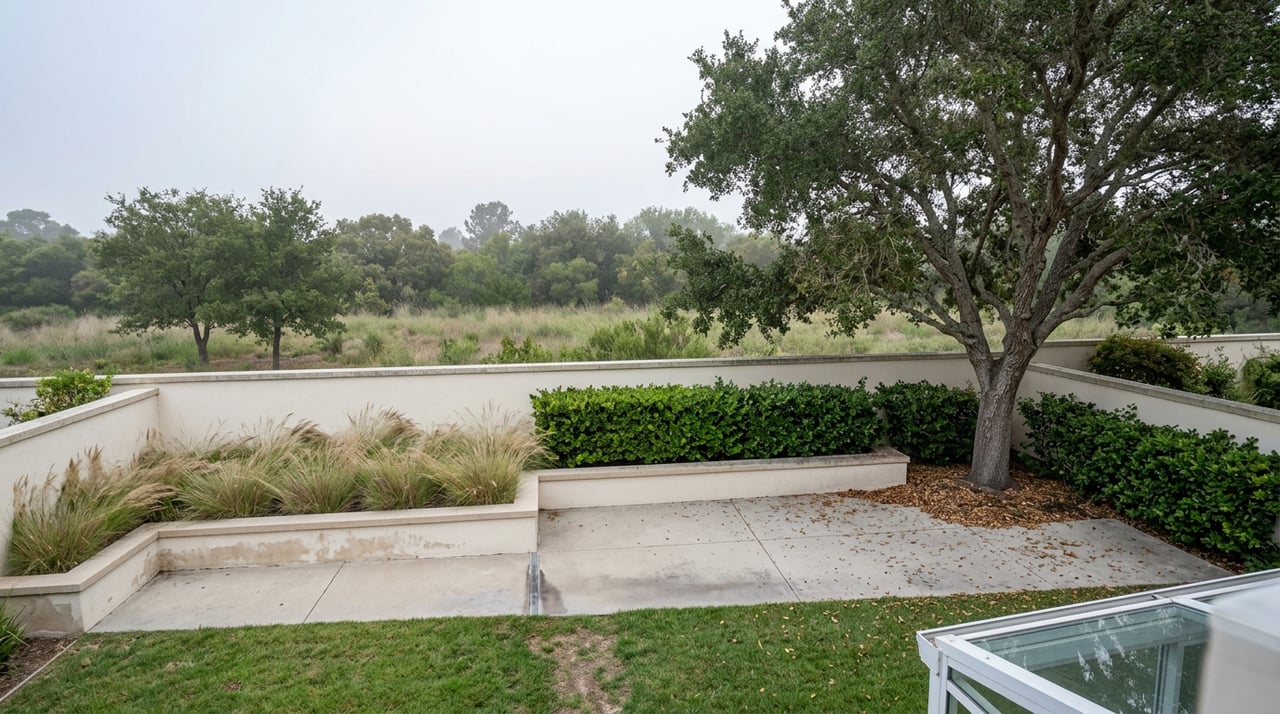
Selling your home in East County can look simple from the outside. Put it on the market, wait for offers, and move on. In reality, a strong sale usually comes from careful planning, neighborhood-specific pricing, polished presentation, and steady guidance all the way to closing. If you want to understand what a full-service home sale really involves in East County San Diego, this breakdown will walk you through each stage. Let’s dive in.
Why full-service matters in East County
East County is not one uniform market. It is a group of distinct communities that include places like El Cajon, La Mesa, Lemon Grove, Santee, Alpine, Spring Valley, Lakeside, and Mountain Empire, with local market activity also often centered around Rancho San Diego, Jamul, and surrounding neighborhoods.
That matters because pricing, buyer expectations, and time on market can vary widely from one area to another. In March 2026, public market trackers showed median sale prices around $678,000 in El Cajon, $649,000 in Spring Valley, $825,000 in La Mesa, $752,000 in Lakeside, $735,000 in Santee, about $1.1 million in Rancho San Diego, and about $1.07 million in Jamul. Days on market varied too, from roughly 15 days in Lakeside and Jamul to 36 days in Rancho San Diego.
A full-service sale takes that local variation seriously. Instead of using the same plan for every home, it adjusts your pricing, prep, and launch strategy to your specific neighborhood, property condition, and buyer pool.
The sale starts before the market
Many homeowners think the process begins when the listing goes live. In a full-service model, it starts earlier with a strategy conversation about timing, price, presentation, and the work needed before buyers ever see the home.
This matters because sellers consistently say they value agents who can market the home well, price it competitively, and help it sell within a specific timeframe. In other words, the real value is not just getting your home online. It is building a process that gives you more control and a better launch.
Pricing should fit your micro-market
In East County, pricing should be shaped by where your home sits and how it compares to nearby competition. A property in La Mesa may attract a different buyer than one in Jamul or Spring Valley, even if square footage looks similar on paper.
A strong pricing conversation looks at current demand, recent nearby sales, buyer behavior, and likely days on market in your area. It also considers features that may carry more weight in some East County communities, such as lot size, views, outdoor space, or location in a more rural setting.
Prep planning comes next
Once pricing is set, the next step is building a prep plan. That often includes cleaning, decluttering, repairs, touch-ups, and simple updates that help your home feel more move-in ready.
This stage can make a major difference in how buyers respond. Small improvements often help your home show better online and in person, which can support stronger offers and reduce time on market.
Home prep is part of the strategy
Pre-listing work is not just about making a home look nicer. It is about helping buyers picture themselves in the space and reducing distractions that can pull attention away from the home itself.
According to recent industry research, 83% of buyers’ agents said staging made it easier for buyers to visualize a property as their future home. Sellers’ agents also reported that staging can reduce time on market, and some saw it increase the dollar value offered by 1% to 10%.
What prep often includes
Depending on the home, a full-service prep plan may include:
- Deep cleaning
- Decluttering and depersonalizing
- Interior paint
- Flooring updates
- Landscaping improvements
- Selected repairs
- Staging key rooms
- Moving or storage support during prep
The most commonly staged spaces are the living room, primary bedroom, dining room, and kitchen. These are the areas buyers tend to notice first, both in photos and during showings.
Concierge support can ease the process
For some sellers, the biggest challenge is not deciding what to improve. It is managing the cost and coordination. Compass Concierge is designed to help with eligible improvements such as staging, painting, flooring, landscaping, deep cleaning, moving and storage, and selected repairs.
In that model, eligible costs can be advanced, and repayment is due when the home sells, when the listing is terminated, or 12 months after the Concierge start date. For homeowners who want a stronger presentation without taking on every upfront expense at once, that can create more flexibility.
Marketing is more than putting up a sign
Once your home is ready, marketing becomes the next major phase. In a full-service sale, this is not treated as an add-on. It is a core part of how your property attracts attention, earns showings, and competes for offers.
That starts with presentation. Buyers often compare homes online before they ever schedule a tour, which means your listing photos and overall visual impression can influence interest from the first click.
Professional staging and photography work together
Online images tend to magnify clutter, awkward furniture placement, and unfinished details. That is why staging and photography work best as a pair.
Staging helps define the space, while professional photography captures it clearly and consistently. Together, they help your home feel brighter, cleaner, and easier for buyers to understand.
A phased launch can build momentum
Compass also offers a three-phase marketing approach that can begin as a Private Exclusive, move to Coming Soon, and then go live on the MLS and public websites in Phase 3. In Compass’s model, the home does not appear on the MLS or public portals until that final phase.
This type of rollout can give sellers more control over timing and presentation. It can also help validate pricing and build exposure before the full public debut, rather than rushing straight to the broadest launch without preparation.
Full-service also means managing details
A smooth sale depends on more than pricing and photos. In California, sellers should also expect a disclosure-heavy process, and this is one of the biggest reasons strong transaction management matters.
Buyers are legally entitled to key disclosures, including the Transfer Disclosure Statement and Agency Relationship Disclosure. The seller’s agent must also conduct a visual inspection and disclose readily observable defects.
California disclosures are a major step
The Transfer Disclosure Statement is an important document, but it is not a warranty and does not replace independent inspections. It is part of a broader disclosure process that helps buyers understand the property and helps keep the transaction moving with fewer surprises.
Natural hazard paperwork is also part of the California seller process. For East County homeowners, this can be especially relevant because fire hazard maps have been updated, and a property’s fire zone may have changed.
Wildfire zones can affect East County homes
County of San Diego materials and CAL FIRE both note updated fire hazard severity maps. For some homes in unincorporated East County, that makes address-specific hazard review, brush considerations, defensible space, and related documentation more important than they might be in denser parts of the county.
This does not mean every property faces the same concerns. It does mean a locally experienced team should know when hazard disclosures and wildfire-related questions deserve extra attention.
Older homes may need lead paint disclosure
If your home was built before 1978, lead-based paint disclosure rules may apply. Sellers of most pre-1978 housing must disclose known lead-based paint hazards and available records, and they must provide the required lead hazard information before the contract is ratified.
That can be especially relevant in older East County neighborhoods where earlier housing stock is common. It is one more reason why a guided, organized process matters.
Escrow and closing still need coordination
Even after you accept an offer, there is still meaningful work ahead. A full-service sale includes keeping escrow on track, managing deadlines, helping coordinate paperwork, and preparing for the final transfer.
Closing is not just about signing a few pages. It also involves county recording requirements and local tax-related steps tied to the transfer.
What happens at closing
San Diego County records documents that are legally recordable and properly prepared. The county’s recording guidance also states that Documentary Transfer Tax is due on taxable conveyances over $100 at $0.55 per $500 of value, excluding existing liens or encumbrances.
The county assessor also notes that new property owners must file a Change in Ownership Statement and may receive supplemental tax bills after a transfer. That means the final stretch of a sale still benefits from close oversight and clean communication.
What full-service should feel like for you
From the seller side, full-service representation should feel organized, proactive, and low-friction. You should know what is happening, why it matters, and what comes next.
At its best, this kind of sale is a coordination system. It brings together pricing guidance, home prep, vendor management, staging, photography, marketing rollout, negotiation, disclosure handling, escrow follow-through, and closing coordination into one managed process.
For East County homeowners, that local management matters even more because neighborhoods, price points, and property conditions can vary so much from one community to the next. A home in Rancho San Diego, La Mesa, El Cajon, Jamul, or Spring Valley may need a different plan to reach the right result.
If you want a sale that is both strategic and supported from start to finish, the right team should do more than list your home. They should help you prepare it, position it, market it, and manage the transaction with clarity the whole way through. When you are ready to talk through your next move, connect with the Lyle + Grace Team.
FAQs
What does a full-service home sale in East County include?
- A full-service home sale typically includes pricing guidance, pre-listing prep, staging coordination, professional photography, marketing rollout, offer negotiation, disclosure management, escrow support, and closing coordination.
How is selling a home in East County different from other San Diego areas?
- East County includes several distinct micro-markets, and sale price, buyer demand, days on market, and property considerations can vary widely between places like La Mesa, El Cajon, Santee, Rancho San Diego, and Jamul.
Why does staging matter when selling an East County home?
- Staging can make it easier for buyers to visualize the home, improve how the property looks online, and may help reduce time on market.
What is Compass Concierge for East County sellers?
- Compass Concierge is a program that can front the cost of eligible home improvements such as staging, painting, flooring, landscaping, deep cleaning, moving and storage, and selected repairs, with repayment due under the program terms.
What disclosures do California home sellers need to expect?
- California sellers should expect required disclosures such as the Transfer Disclosure Statement, Agency Relationship Disclosure, Natural Hazard Disclosure Statement, and, for many pre-1978 homes, lead-based paint disclosure.
Do wildfire hazard disclosures matter for East County home sales?
- Yes, they can matter for some East County properties because fire hazard severity maps have been updated, and some homes may need closer review of hazard zones and related documentation.
What happens after accepting an offer on an East County home?
- After an offer is accepted, the transaction usually moves through disclosures, inspections, escrow coordination, document preparation, county recording steps, and final closing requirements.