Thinking about trading your Downtown San Diego condo for more space in East County? You are not alone, and the move can make a lot of sense. If you want a smoother sale, a smarter budget plan, and a clear path from urban condo living to an East County home, this guide will walk you through the key decisions. Let’s dive in.
Why this move takes planning
Selling a downtown condo and buying in East County is not just a simple address change. You are moving between two very different housing markets, and each one has its own pace, pricing, and buyer expectations.
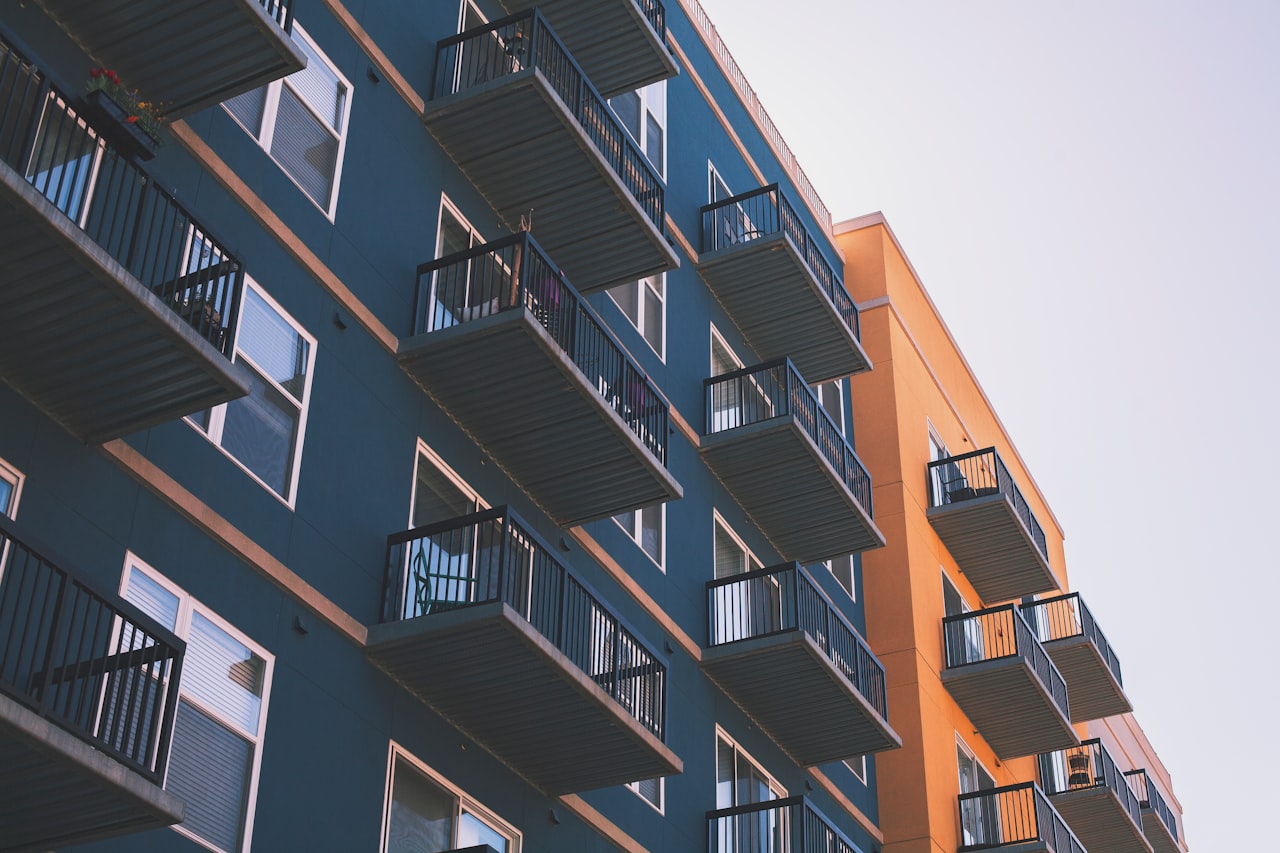
In Downtown San Diego’s 92101 market, the attached segment had a year-to-date median sales price of $753,500 through March 2026, with 59 days on market and 7.4 months of inventory. A live condo snapshot also showed 343 condos for sale with a median listing price of $715,000, typical marketing time around 54 days, and about one offer per listing. That points to a market where pricing and presentation matter.
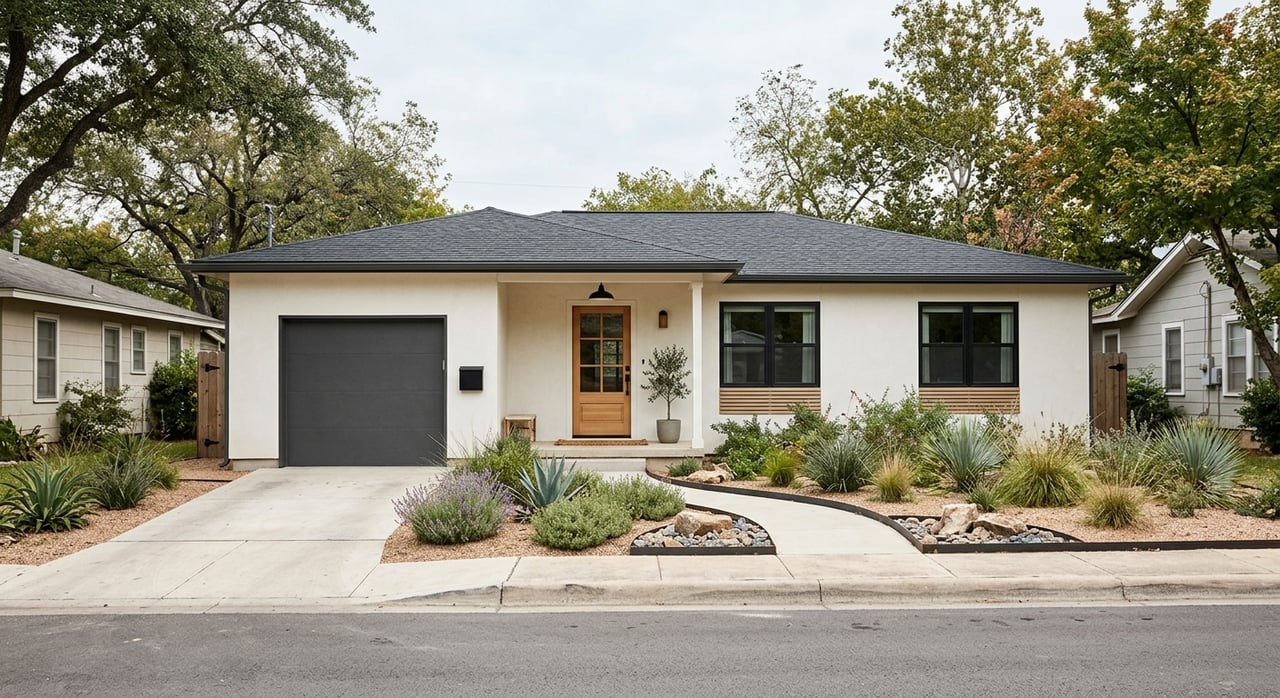
East County is more varied. In March 2026, La Mesa and Mount Helix detached homes had a median sales price of $1,082,500, El Cajon detached homes were at $1,075,000, El Cajon attached homes were at $545,000, and Jamul detached homes were at $860,000. In other words, your next move depends heavily on where you want to land and what type of home you want.
Understand your condo’s position
Downtown condos compete in a buyer pool that often compares several listings at once. Buyers are not just looking at your floor plan and finishes. They are also comparing monthly HOA dues, parking, building condition, amenities, rental rules, and whether the association may be facing future costs.
Under California’s condo ownership structure, owners are part of a homeowners association. The California Department of Real Estate notes that HOA governing documents cover items such as assessments, insurance requirements, architectural rules, and common-area maintenance. Regular dues help fund operations and reserves, while special assessments may be used for major repairs or unexpected costs.
That matters when you sell. Buyers will likely weigh your condo against similar units in buildings with different HOA fees, reserve strength, or maintenance histories. A condo with strong overall presentation and clear building information can feel easier for buyers to say yes to.
Price your condo for today’s market
In an inventory-rich downtown condo market, pricing too high can cost you time and momentum. Buyers have options, and they often notice quickly when a condo feels out of step with current market conditions.
A smart pricing strategy should look beyond your unit alone. It should consider recent comparable sales, active competition, days on market, buyer demand in your building or submarket, and the total monthly ownership picture that buyers will evaluate.
This is where experienced guidance matters. When your goal is to move to East County, the right list price is not only about maximizing value. It is also about helping you sell on a timeline that supports your next purchase.
Prep the condo buyers want to see
Downtown buyers often start online, so your condo needs to make a strong first impression before anyone steps through the door. That means your prep plan should be built for photos, video, and in-person showings.
The National Association of Realtors reported in 2025 that 83% of buyers’ agents said staging made it easier for buyers to visualize a property as a future home. It also found that 29% of buyers’ agents said staged homes received a 1% to 10% higher dollar value offered. The most commonly staged rooms were the living room, primary bedroom, dining room, and kitchen.
For condos, practical staging steps matter even more because buyers are often judging layout efficiency and storage at the same time. Focus on:
- Deep cleaning
- Decluttering surfaces and closets
- Depersonalizing decor
- Using neutral finishes and accessories
- Showing flexible space clearly
- Highlighting natural light and views
Professional listing media also plays a big role. High-quality photos, video, and virtual tours can help buyers understand the flow of the space, the building lifestyle, and the value of the location before they ever book a showing.
Don’t overlook HOA details
If you own a downtown condo, HOA due diligence is part of the sale. The California Department of Real Estate advises buyers to review CC&Rs and other governing documents, and it notes that owners remain responsible for assessments and fines until title transfers, including new assessments approved while the sale is pending.
That means you should be ready early. Before listing, it helps to understand your current dues, any recent changes, whether special assessments are under discussion, and what documents buyers are likely to request. Clear information can reduce surprises and keep your transaction moving.
Compare East County options carefully
One of the biggest mistakes sellers make is treating East County like one single market. It is not. La Mesa, El Cajon, and Jamul each come with different price points, inventory conditions, and housing options.
Here is a simple snapshot based on March 2026 figures:
| Area | Property Type | Median Price |
|---|---|---|
| La Mesa / Mount Helix | Detached | $1,082,500 |
| El Cajon | Detached | $1,075,000 |
| El Cajon | Attached | $545,000 |
| Jamul | Detached | $860,000 |
This range creates different move paths. Some East County properties may be close to downtown condo pricing, especially attached options. Others may require a larger equity jump, but offer more interior space and a lower-density setting.
Match the move to your budget
When you sell a downtown condo to buy in East County, the purchase price is only part of the story. You also need to look at the full monthly cost of ownership.
The Consumer Financial Protection Bureau says buyers should budget for property taxes, insurance, utilities, maintenance, and transaction costs. Depending on the home, you may also need to account for HOA dues if the property is in a planned development.
That last point surprises some buyers. The California Department of Real Estate notes that even detached homes in planned developments may have HOA-owned common areas or private amenities, which means dues, rules, and assessments can still apply. If you are moving partly to simplify your monthly costs, this is worth checking closely.
Coordinate the sale and purchase together
Your condo sale and East County purchase should be planned as one connected move, not two separate transactions. Timing one without the other can create stress, extra costs, or a housing gap.
The Consumer Financial Protection Bureau says buyers can explore loan choices and shop for homes at the same time, and that the loan closing and home purchase closing typically happen at the same time. For a move-up seller, that means financing, listing prep, pricing, and home search should all be coordinated from the start.
Many sellers weigh three main paths:
- Sell first: This can give you a clear budget and reduce financial pressure.
- Buy first: This may help you avoid a temporary move, but it requires enough cash flow and borrowing capacity.
- Overlap both: This can work well with strong planning, but it raises the importance of timing and carrying costs.
Use protective terms when buying
If you are making an offer on an East County home while your downtown condo sale is in motion, the terms of your offer matter. The Consumer Financial Protection Bureau says it is a good idea to make a purchase offer contingent on financing and a satisfactory inspection.
These protections can help reduce the risk of committing to a purchase before your financing or property condition review feels solid. In a move-up situation, that can be especially helpful when you are trying to line up your sale and purchase with as little disruption as possible.
Know when Prop 19 may help
For some sellers, property taxes are a major part of the move decision. California’s Prop 19 may help certain homeowners transfer a factored base-year value to a replacement primary residence in California.
According to the California State Board of Equalization, this benefit may apply to homeowners age 55 or older, severely and permanently disabled homeowners, and certain disaster victims. The claim is filed with the assessor after both transactions are complete and the owner is living in the replacement home.
Timing matters here. If you buy the replacement home before selling the original one, the original home must be sold within two years. During the overlap period, you pay property taxes at full fair market value on the replacement property until the transfer is processed.
Why local guidance matters in East County
If your next chapter is in La Mesa, El Cajon, Jamul, or Rancho San Diego, local knowledge can make the move easier. Price bands, inventory, property types, and neighborhood-by-neighborhood differences shape what your budget can actually buy.
That is especially true when you are moving from a downtown condo into a detached home search. You may be balancing sale proceeds, financing, monthly payment targets, and timing all at once. A clear plan can help you avoid rushed choices on either side of the transaction.
A full-service approach also helps. Thoughtful prep, staging, professional photography, pricing strategy, listing coordination, and transaction management all play a role in reducing friction and keeping your move on track.
If you are thinking about selling your Downtown San Diego condo and making a move to East County, the Lyle + Grace Team can help you build a plan that fits your timing, budget, and next home goals.
FAQs
What should you know before selling a Downtown San Diego condo?
- You should understand current downtown condo competition, expected days on market, HOA dues, governing documents, and whether any assessments or building-related issues could affect buyer interest.
How does the Downtown San Diego condo market compare to East County home prices?
- Through March 2026, Downtown San Diego attached homes had a median sales price of $753,500, while East County prices varied widely, including $545,000 for El Cajon attached homes, $860,000 for Jamul detached homes, and just over $1.0 million for detached homes in La Mesa and El Cajon.
Why do HOA details matter when selling a condo in San Diego?
- HOA dues, reserve funding, rules, maintenance responsibilities, and any pending assessments can affect how buyers compare your condo to other available listings.
What is the best way to prepare a downtown condo for sale?
- Focus on cleaning, decluttering, depersonalizing, neutral presentation, and strong listing media so buyers can quickly understand the space and picture themselves living there.
How can you avoid a gap between selling your condo and buying in East County?
- Plan the sale and purchase together, review financing early, and consider offer terms such as financing and inspection contingencies to reduce timing and risk issues.
How does Prop 19 affect a move from Downtown San Diego to East County?
- If you qualify, Prop 19 may let you transfer a factored base-year value to a replacement primary residence in California, but the timing rules matter and the claim is filed after both transactions are complete.