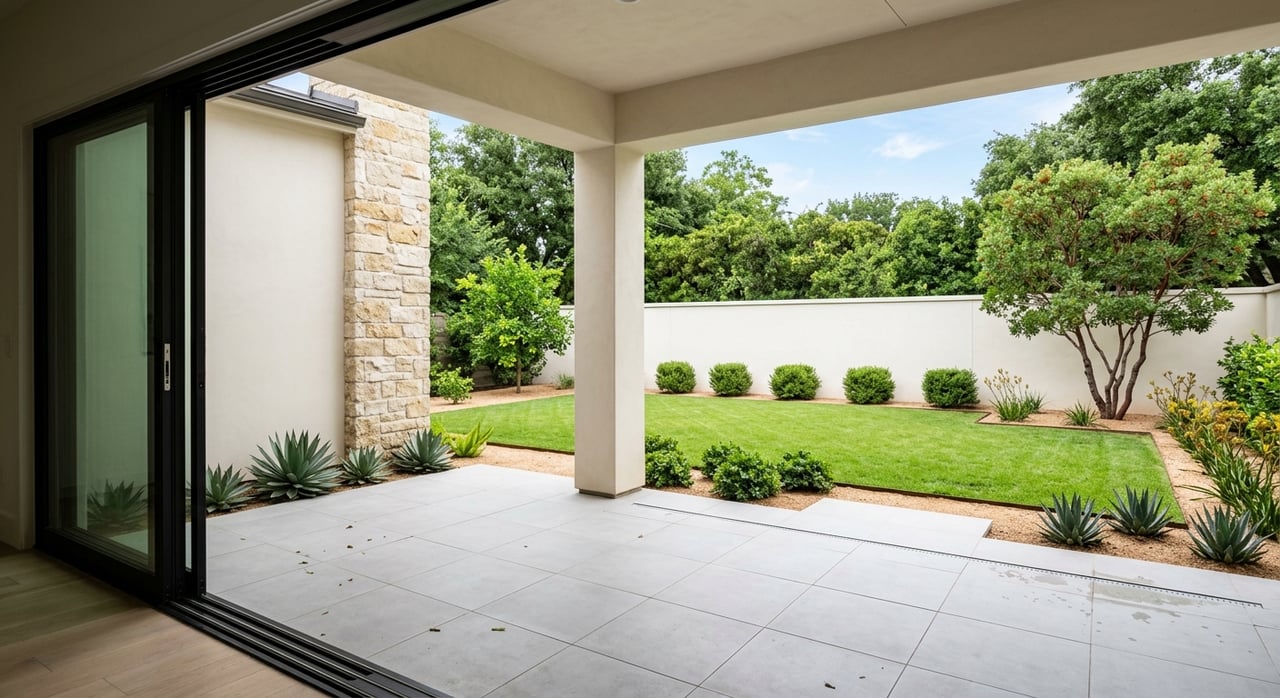
Thinking about selling your La Mesa home and wondering where to start? You want a smooth sale, a strong price, and a plan that respects your time and budget. With the right prep, you can elevate your home’s first impression and reduce friction once offers arrive. This guide gives you a step-by-step plan tailored to La Mesa, from disclosures and inspections to high-ROI updates, staging, and a smart launch. Let’s dive in.
Know your La Mesa market
La Mesa sits in East County San Diego and remains an active, higher-cost market. Recent snapshots from major market portals show typical values in the mid-to-high six figures, and many listings move within about 3 to 7 weeks. Because each site uses different methods and time windows, it is best to rely on local comps when you set price.
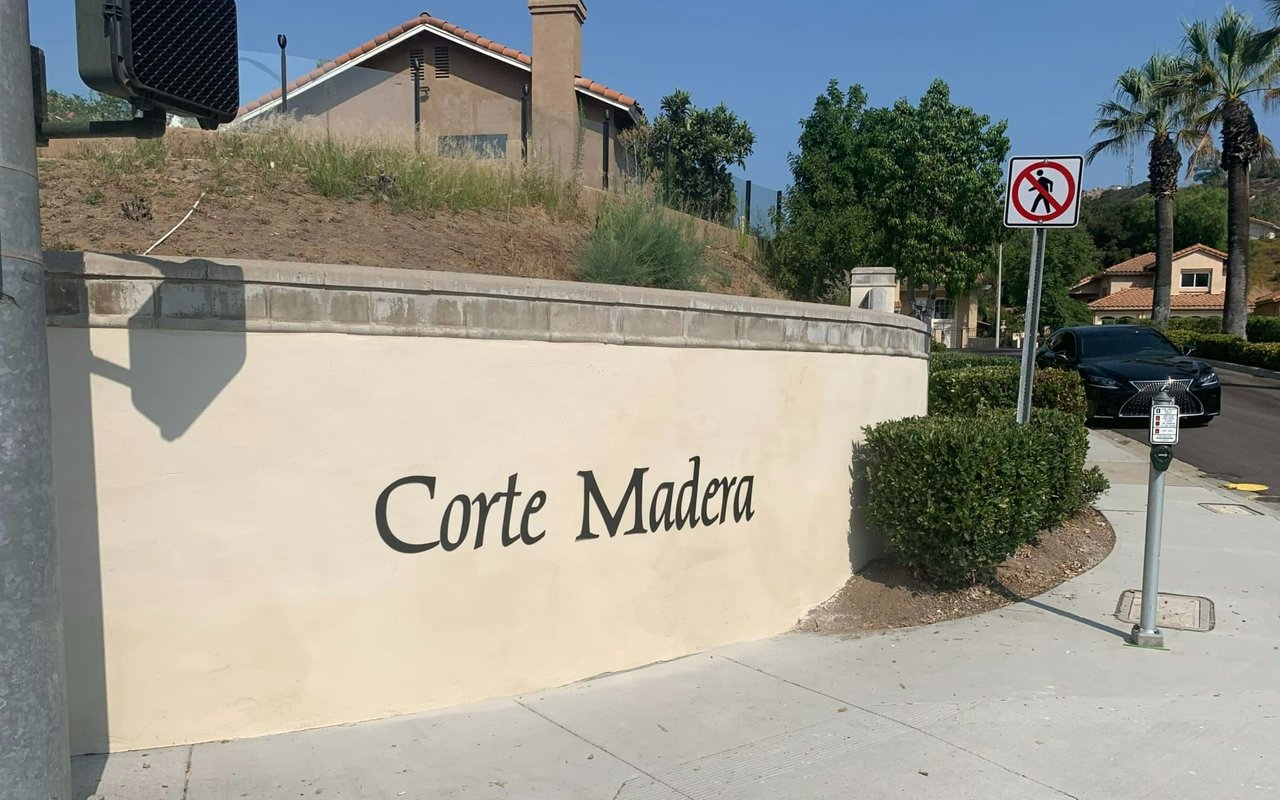
Neighborhoods vary widely. You will find hillside homes near Mount Helix, Lake Murray area properties, classic craftsman and mid-century homes, and condos closer to the Village and transit. Pricing often differs between ZIP codes 91941 and 91942, and by pockets like Fletcher Hills and Rolando. A local, data-backed pricing discussion helps you match strategy to your specific micro-market.
Buyer interest is diverse. Many buyers commute to central San Diego, some are downsizing for a walkable Village lifestyle, and family buyers value nearby parks and amenities. Your prep plan should help each of these groups quickly see the value in your home.
Get disclosures right in California
California requires clear, timely disclosures for most residential sales. Getting this right builds trust and protects you.
- Transfer Disclosure Statement (TDS). Most sellers of 1–4 unit properties must disclose known material facts about the home’s condition and systems. Review the TDS guidance to understand scope and delivery rules. You can find an overview in this summary of the TDS requirements from firsttuesday. Refer to the resource on the Transfer Disclosure Statement for details and buyer rights. Review the TDS overview.
- Natural Hazard Disclosure (NHD). You must disclose whether the property is in a statutory hazard zone, including flood, dam inundation, very high fire severity, wildland fire, earthquake fault, or seismic hazard zones.
- New 2024 flipper disclosure (AB 968). If you are reselling within 18 months of taking title, you must disclose contractor-performed renovations, provide contractor names and contacts for qualifying projects, and share permits where available. This disclosure is in addition to the TDS. Learn about AB 968 highlights.
- Unpermitted work. Disclose known unpermitted work and be prepared to share any documentation or contractor information.
- Termite/WDO expectations. Lenders commonly require a current wood-destroying organism report in California. Having a pre-list report can speed negotiations. For background on WDO reporting, see the California Department of Consumer Affairs resource. Read the WDO guidance.
Inspect first, then prioritize
A pre-list inspection can help you get ahead of surprises. The benefits include earlier discovery of issues, control over timing and contractors, pricing that reflects condition, and smoother negotiations. The tradeoff is that any material issues you learn must be disclosed, which is already your obligation under California law.
Your pre-list inspection plan
- General home inspection covering structure, roof, plumbing, electrical, and HVAC.
- WDO/termite inspection, given common lender and buyer expectations in California. See state WDO info.
- Sewer lateral scope as indicated by property age, prior issues, or local guidance. Ask your agent to confirm city or county practices.
- Targeted inspections based on age and visible conditions: roof certification, chimney, pool, foundation or geotechnical for hillside lots, and mold or lead testing for homes built before 1978.
High-ROI fixes to focus on
Think in tiers so you invest where buyers notice and appraisers care.
Safety and code issues. Address electrical hazards, active leaks, or structural concerns. If you do not repair, disclose clearly.
Weatherproofing and major systems. Show recent service or transparent condition on roof, HVAC, and water heater. Buyers value predictable system life.
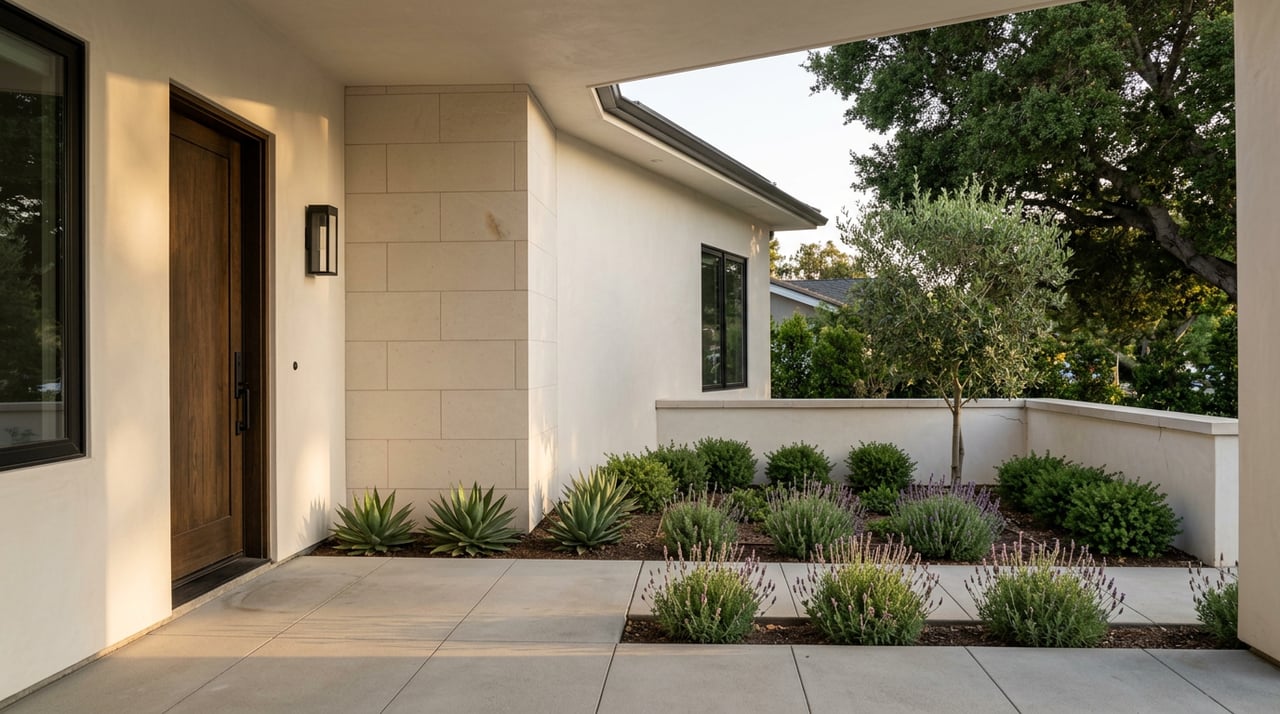
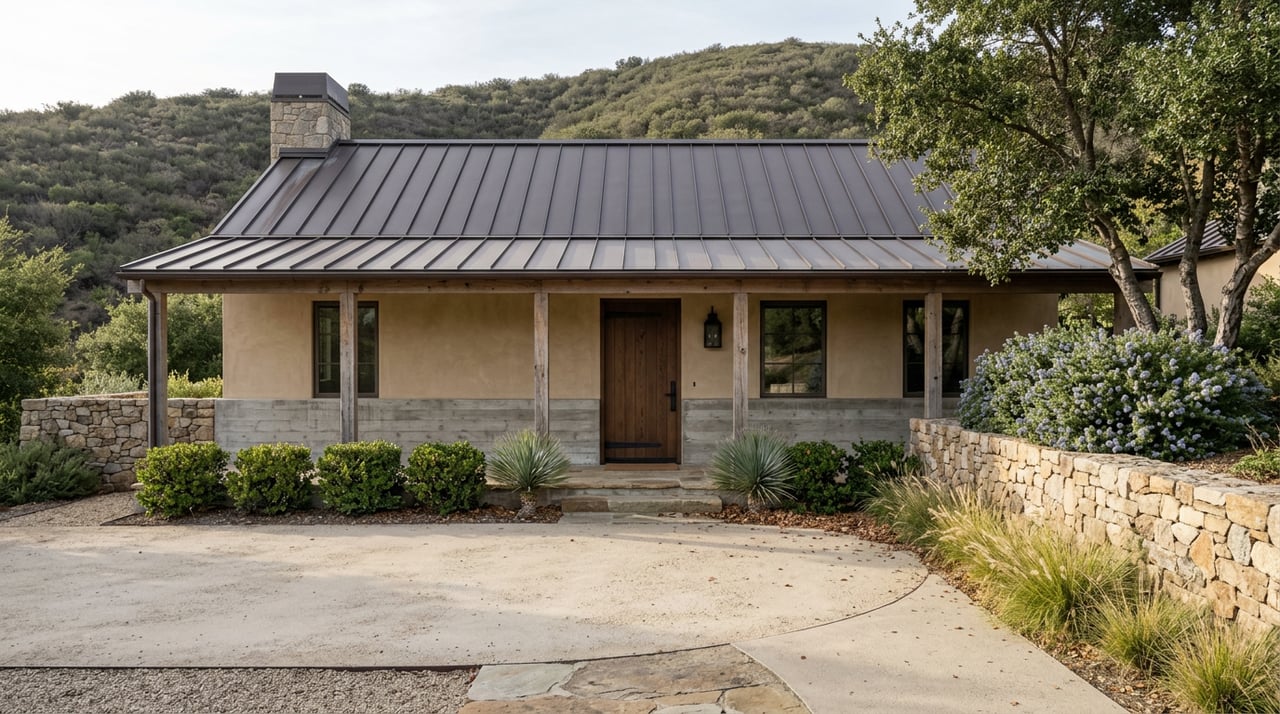
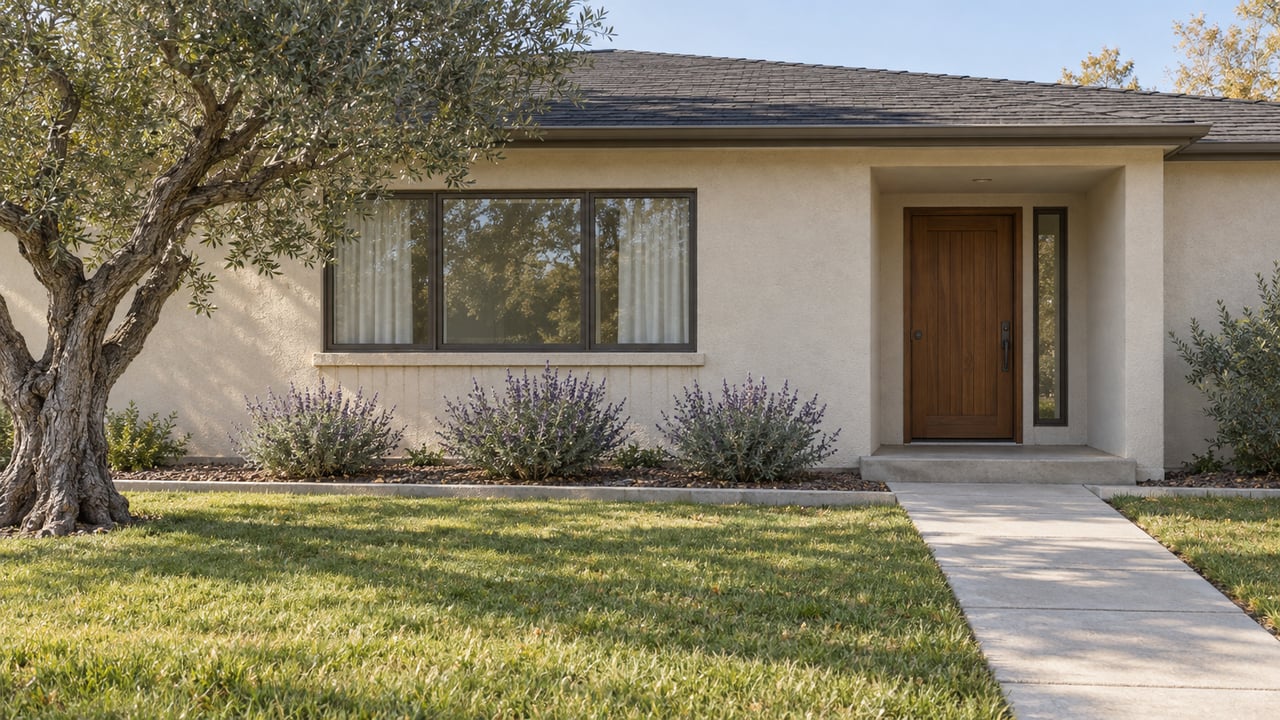
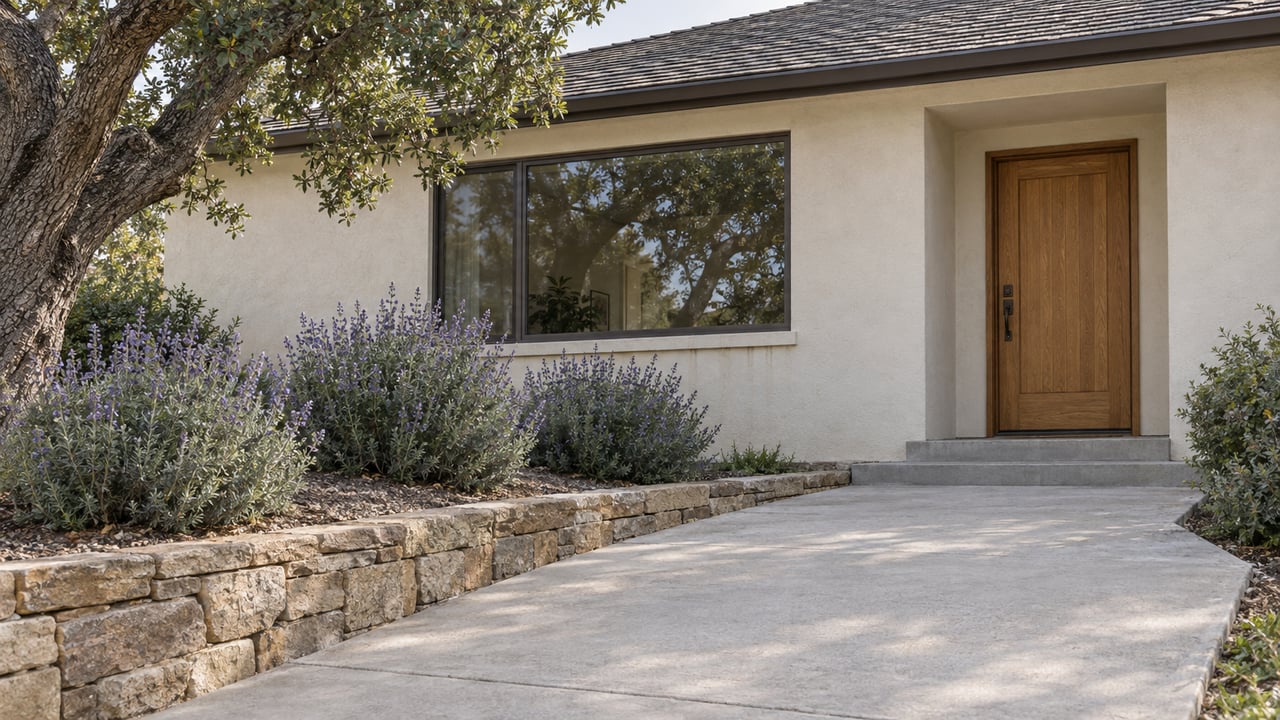
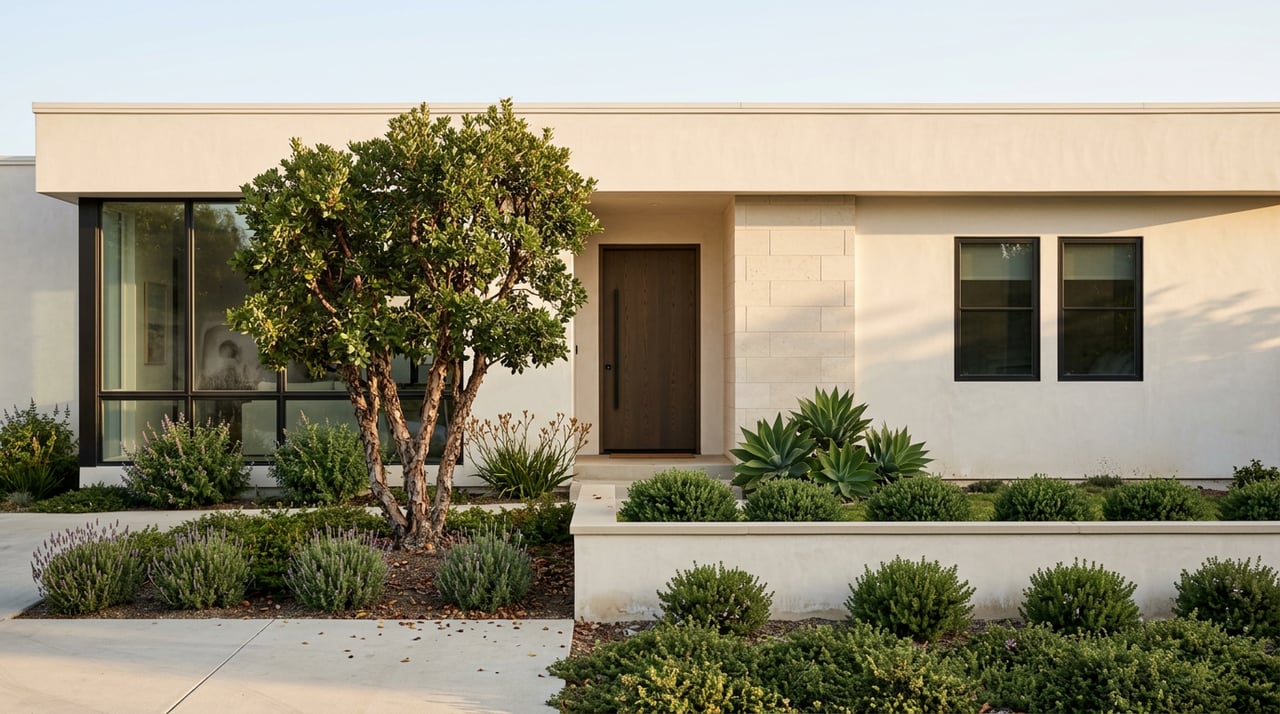
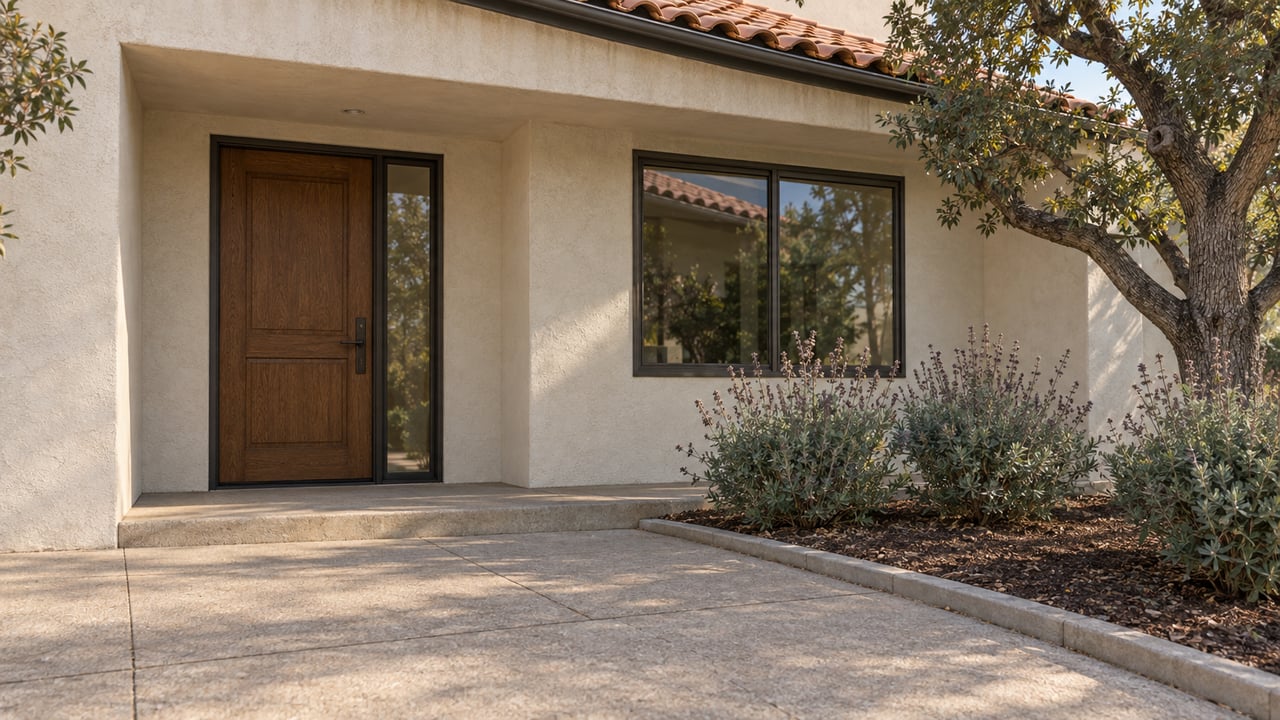
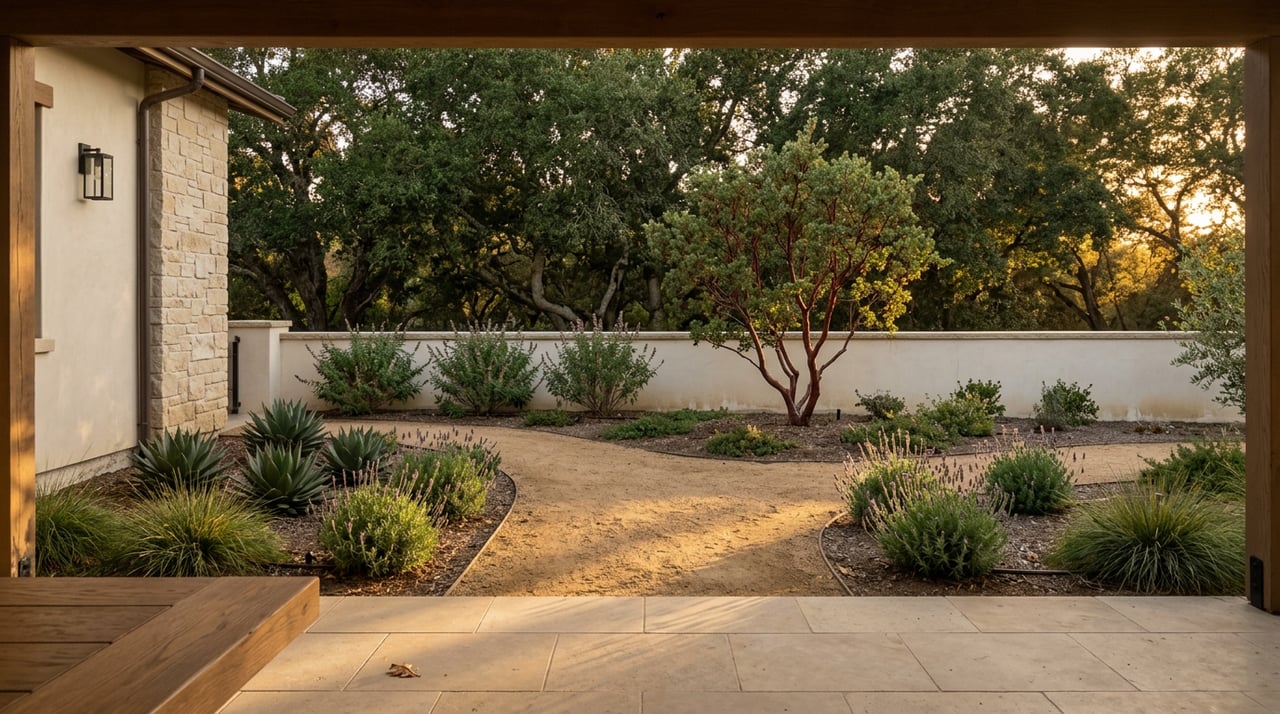
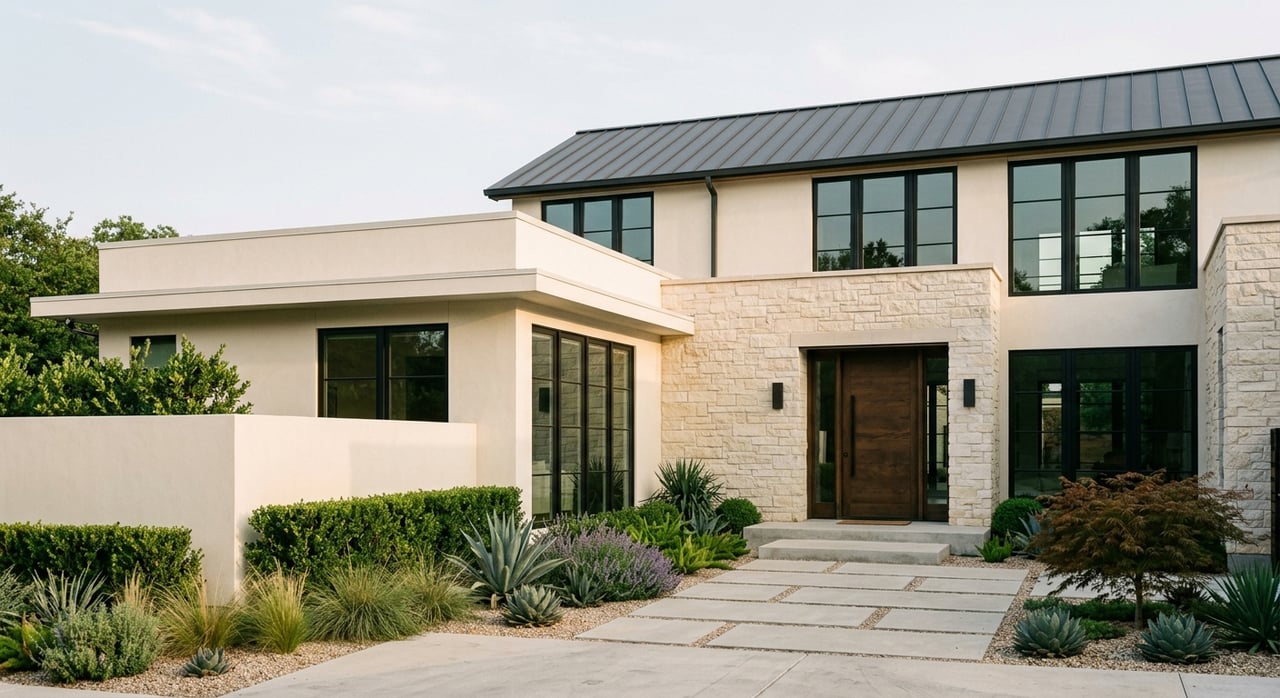
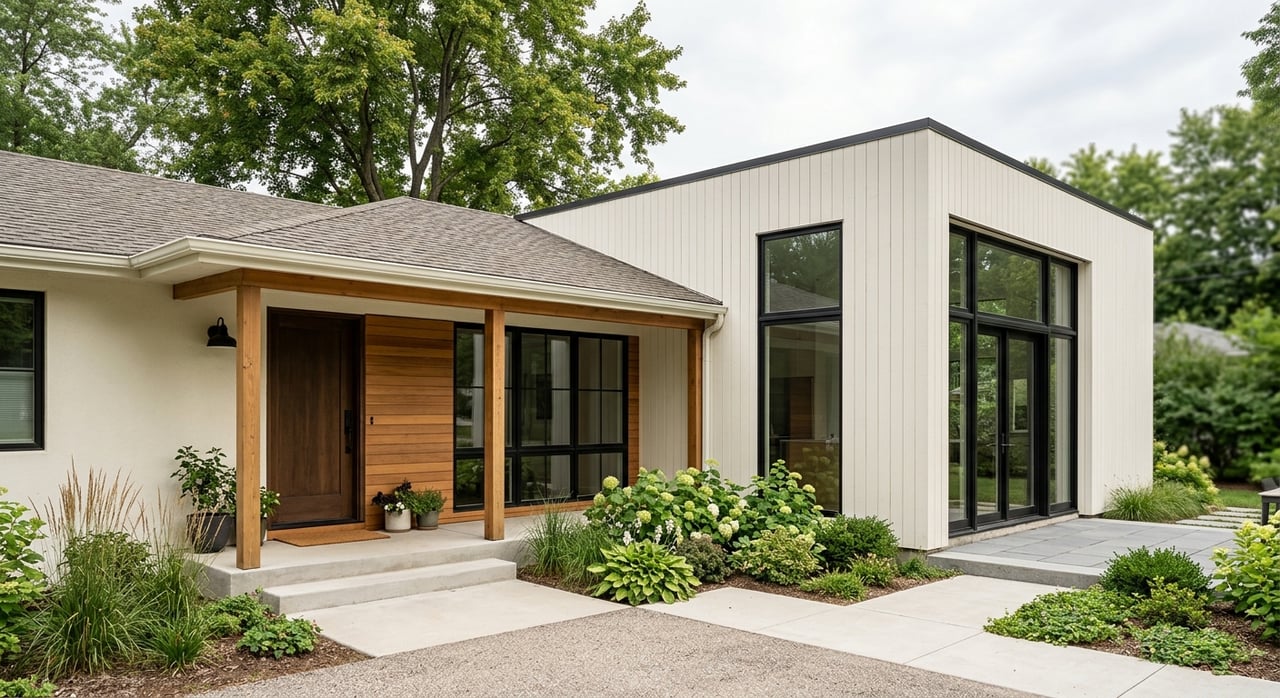
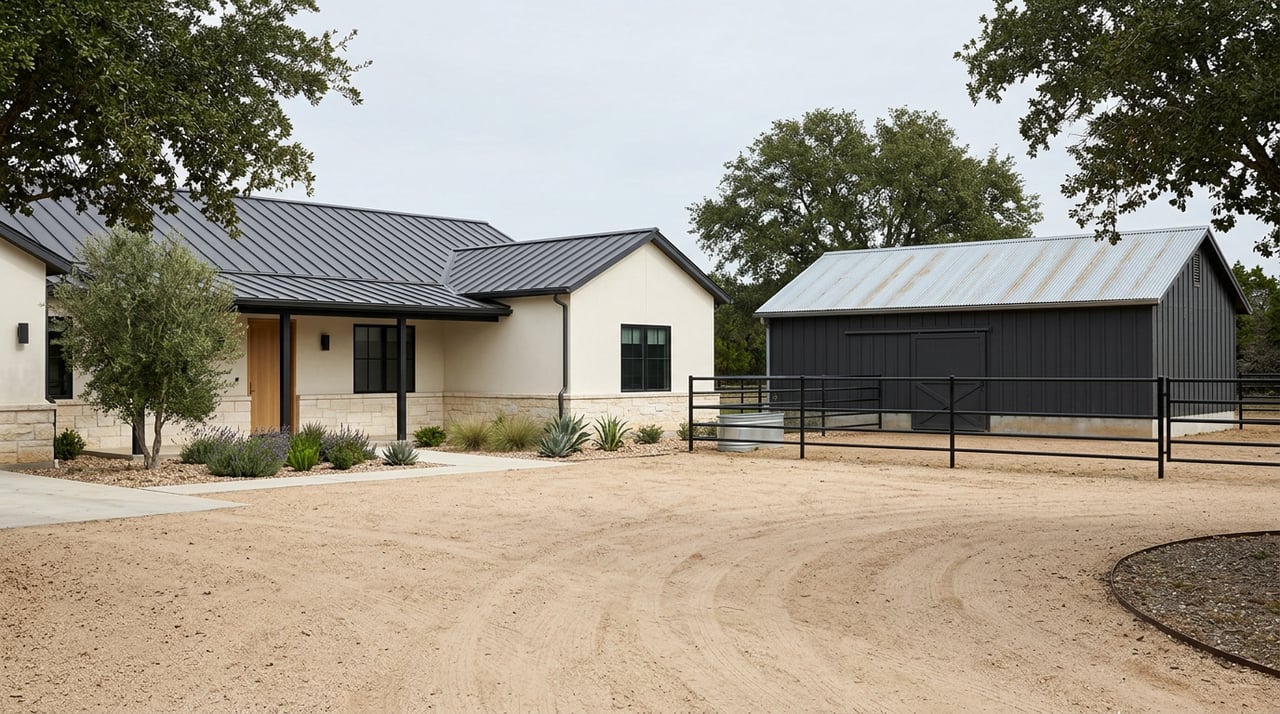
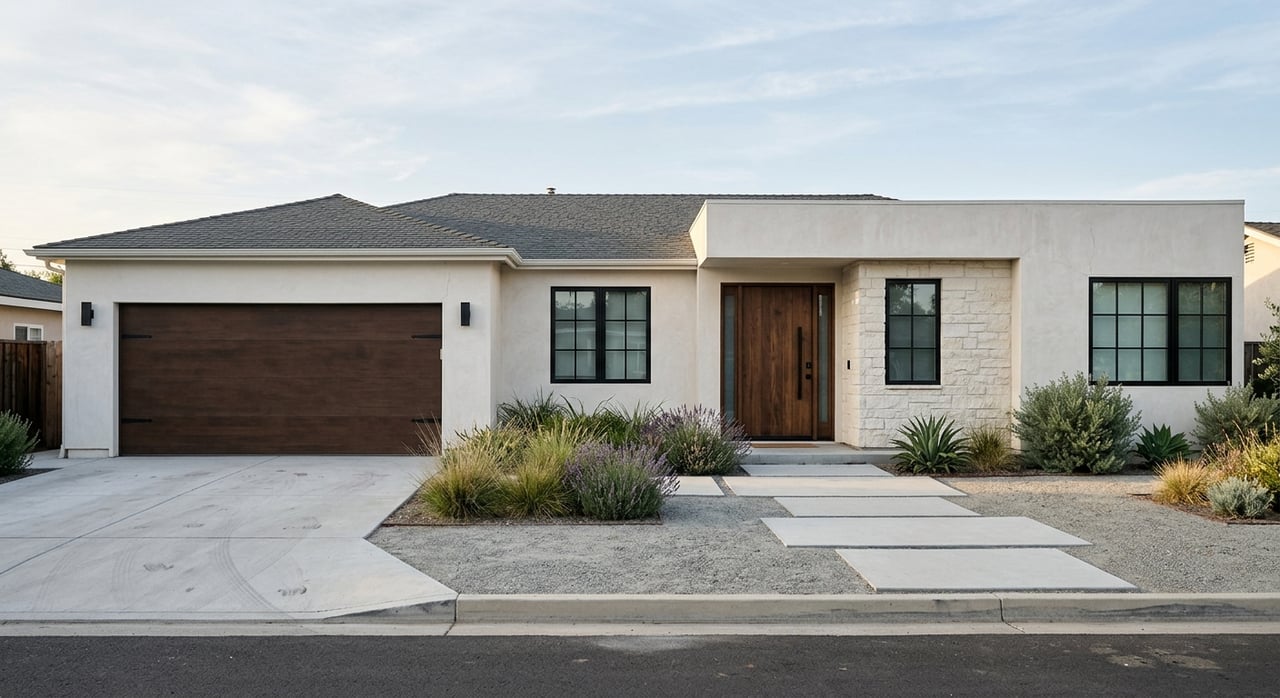
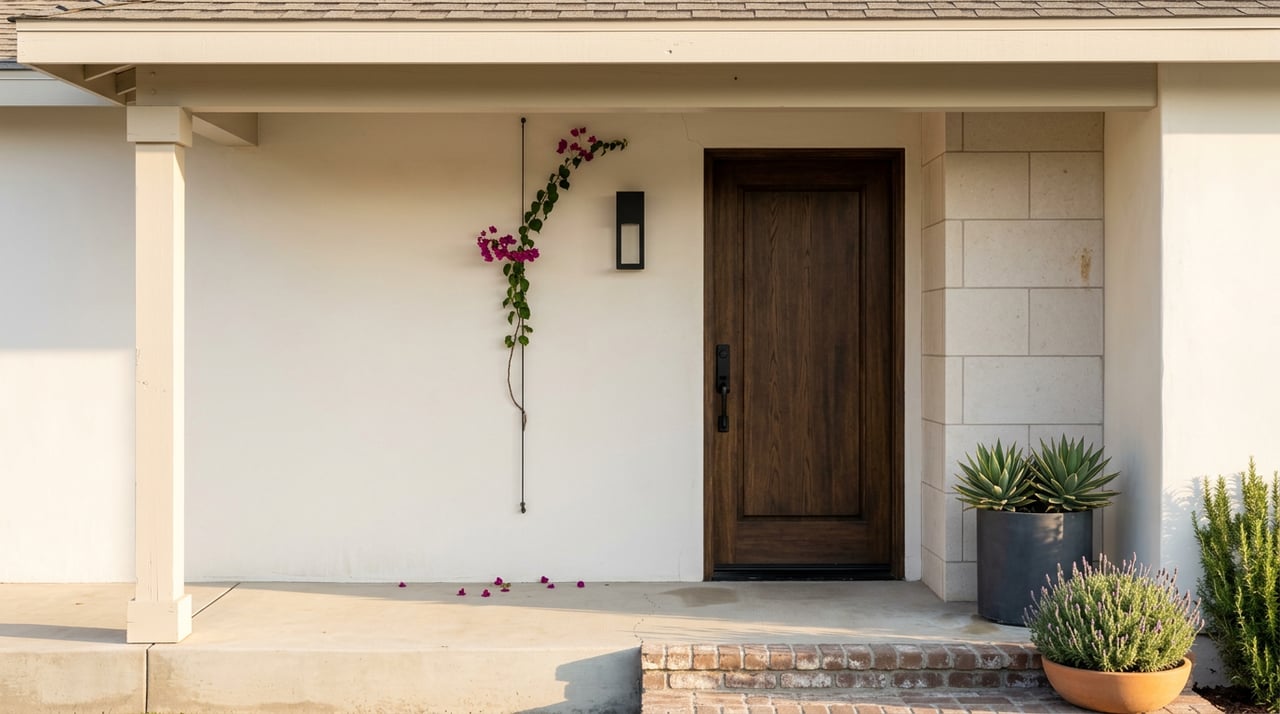
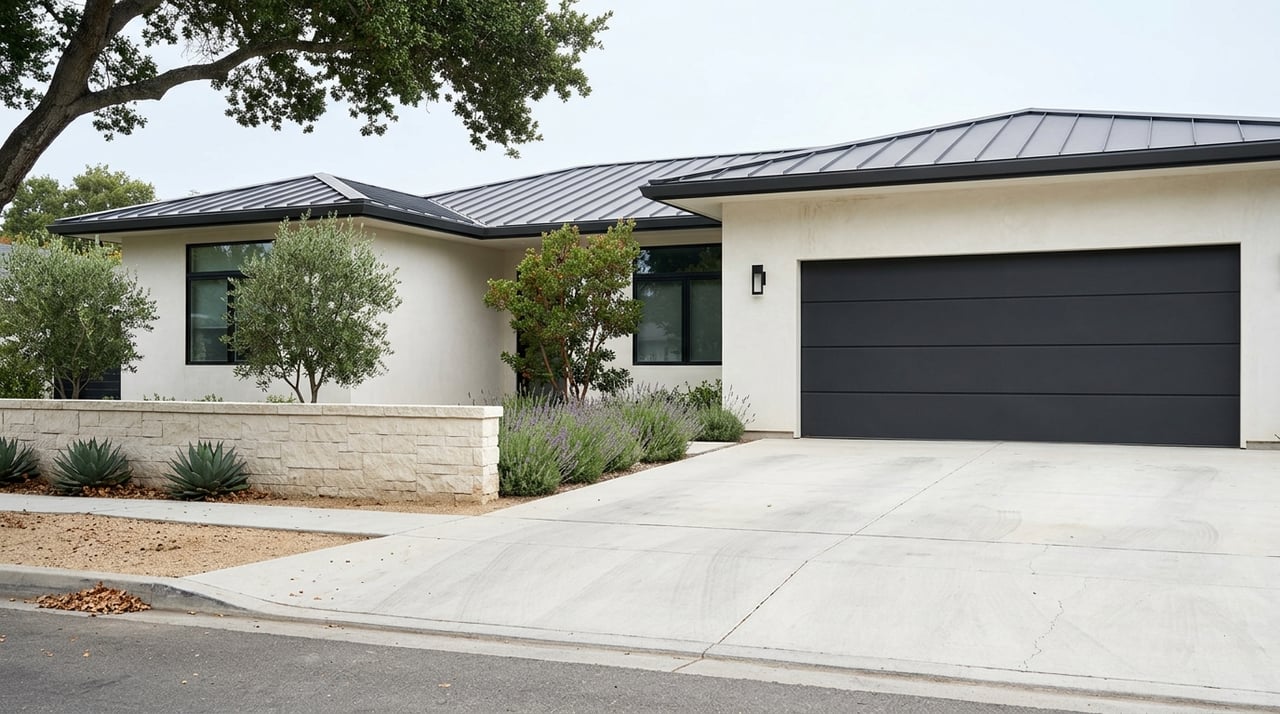
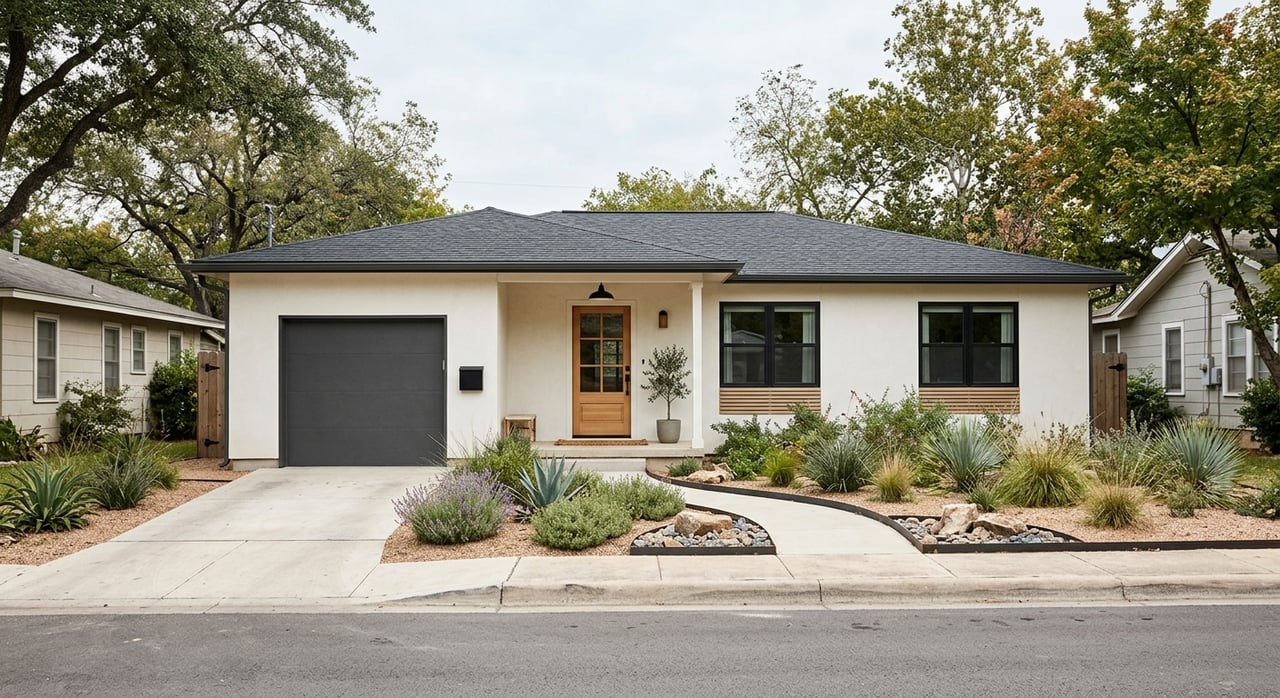
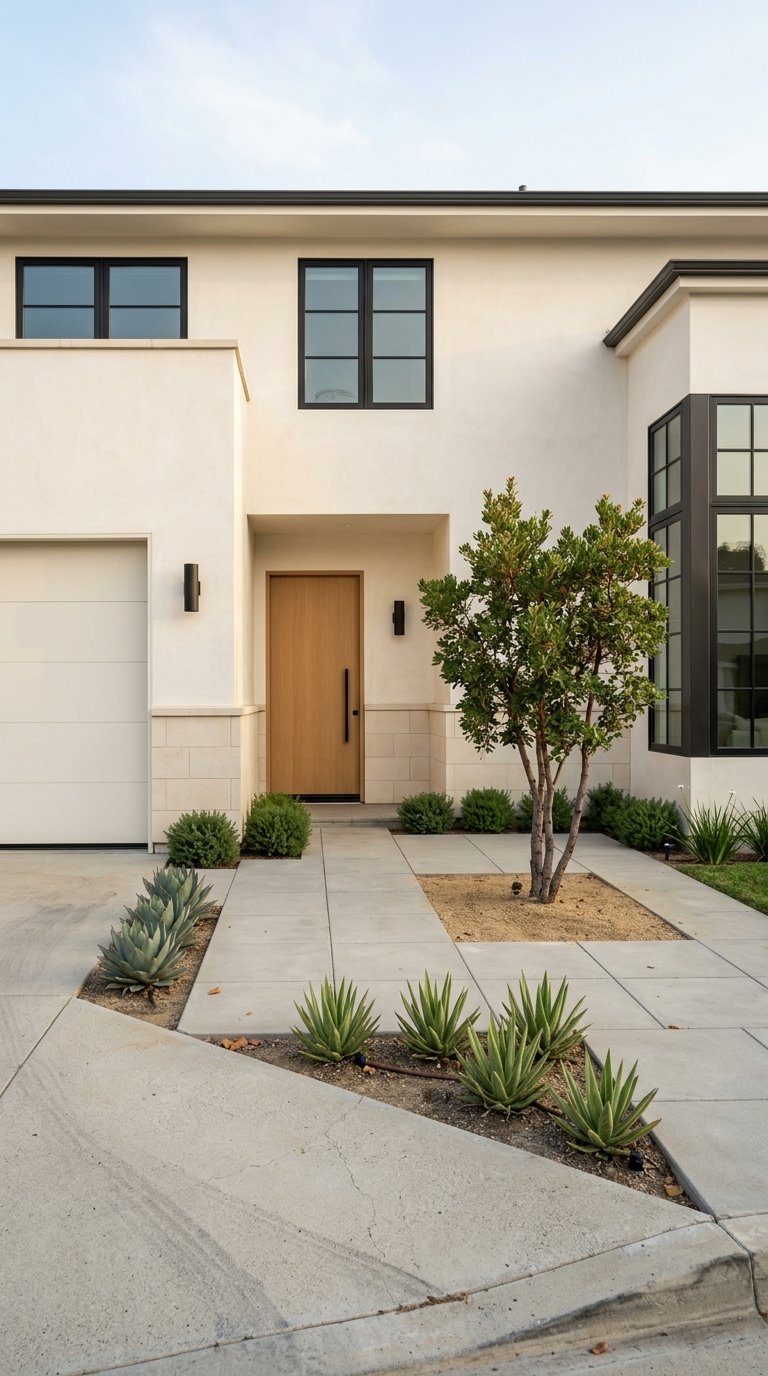
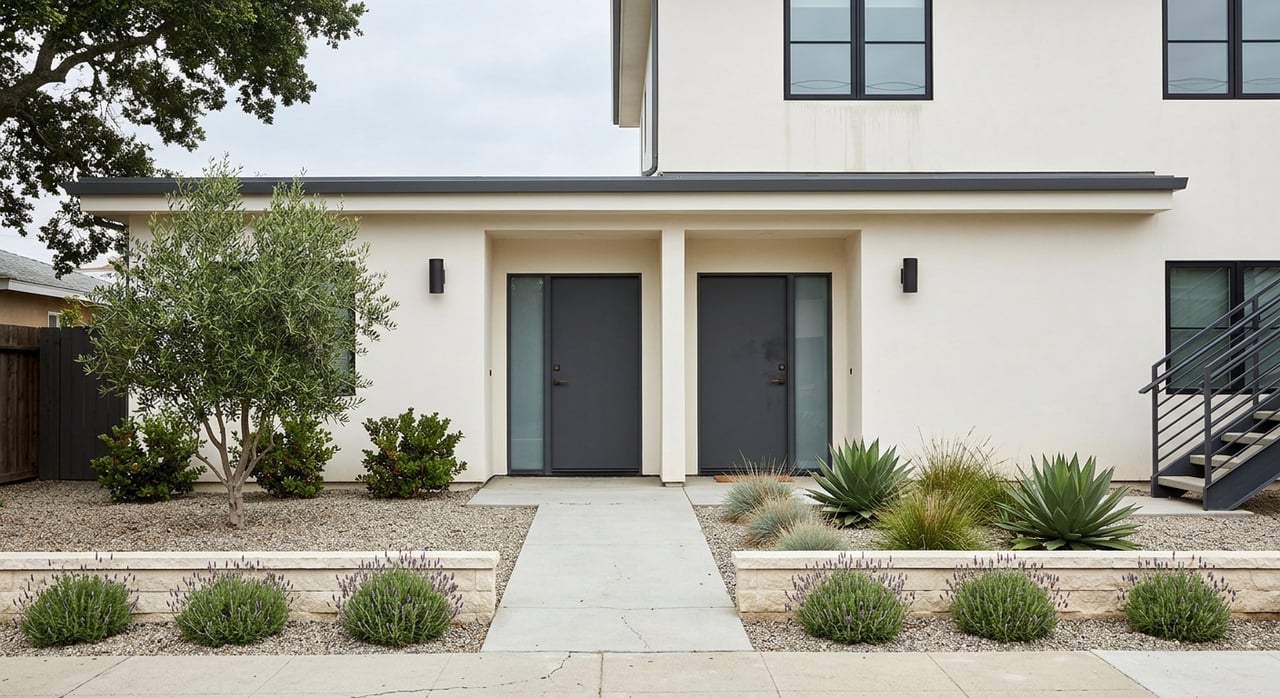
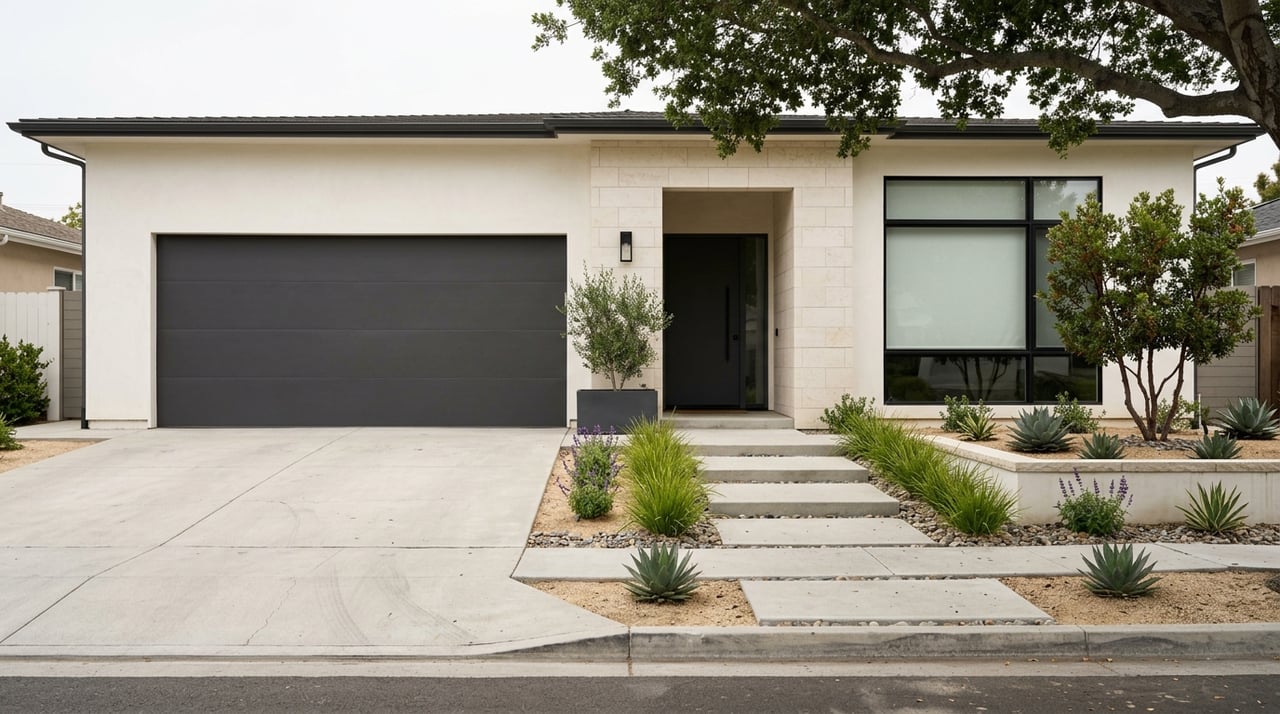
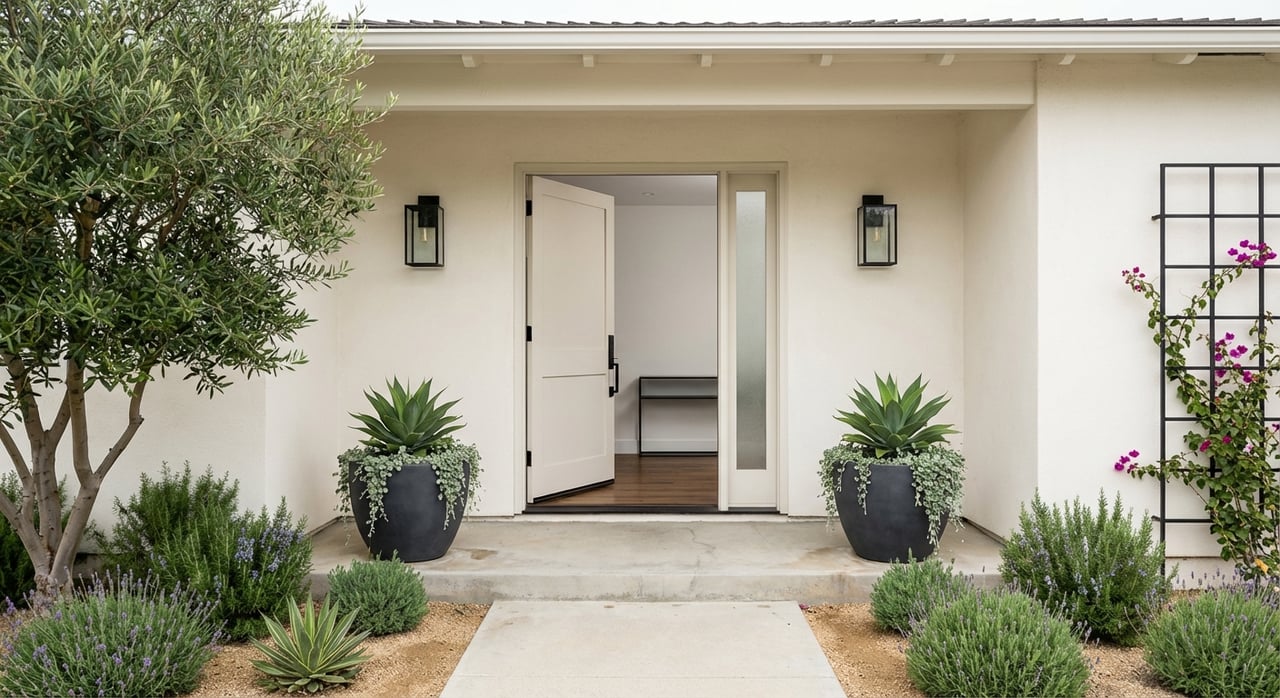
Curb appeal upgrades. Entry paint, refreshed landscaping, a clean walkway, and updated front or garage doors tend to deliver quick impact. The national Cost vs. Value report consistently ranks exterior replacement projects, like garage and entry doors, among the top ROI items. Explore Cost vs. Value trends.
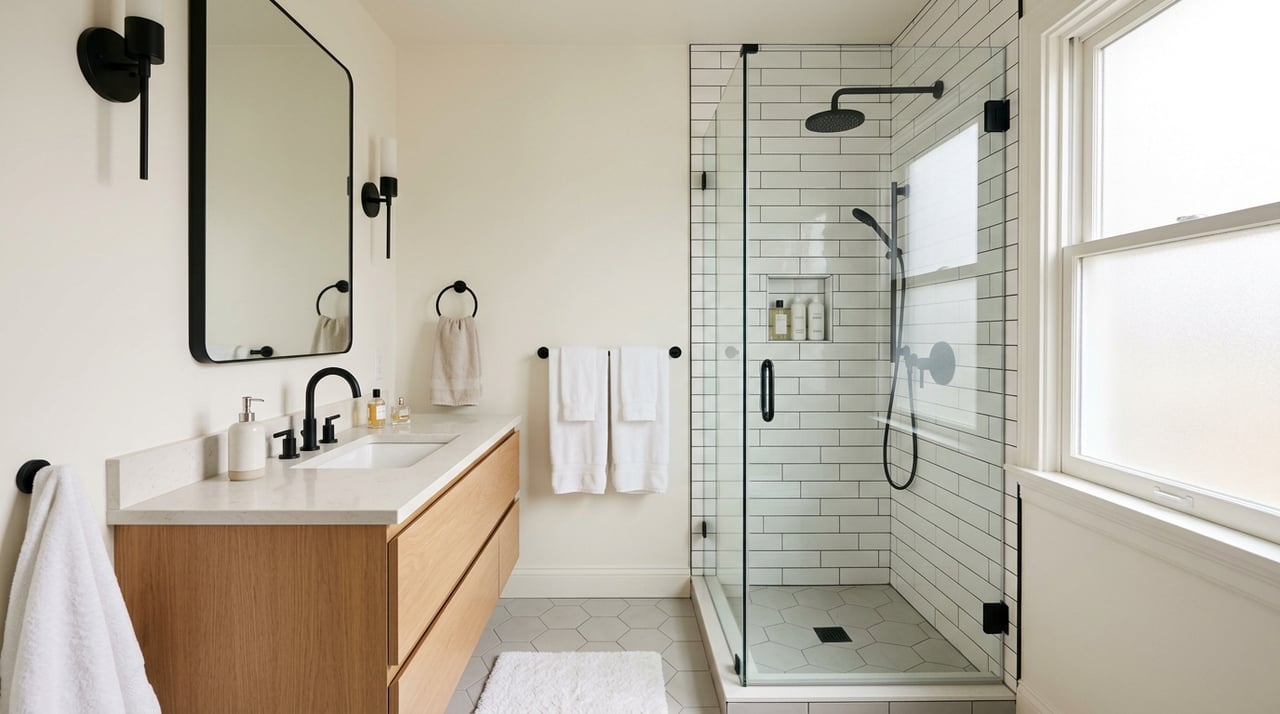
Minor kitchen and bath updates. Refinish cabinets, swap dated hardware, refresh lighting, and consider new counters or faucets. Minor kitchen remodels are frequent high performers in Cost vs. Value analyses. See minor remodel ROI examples.
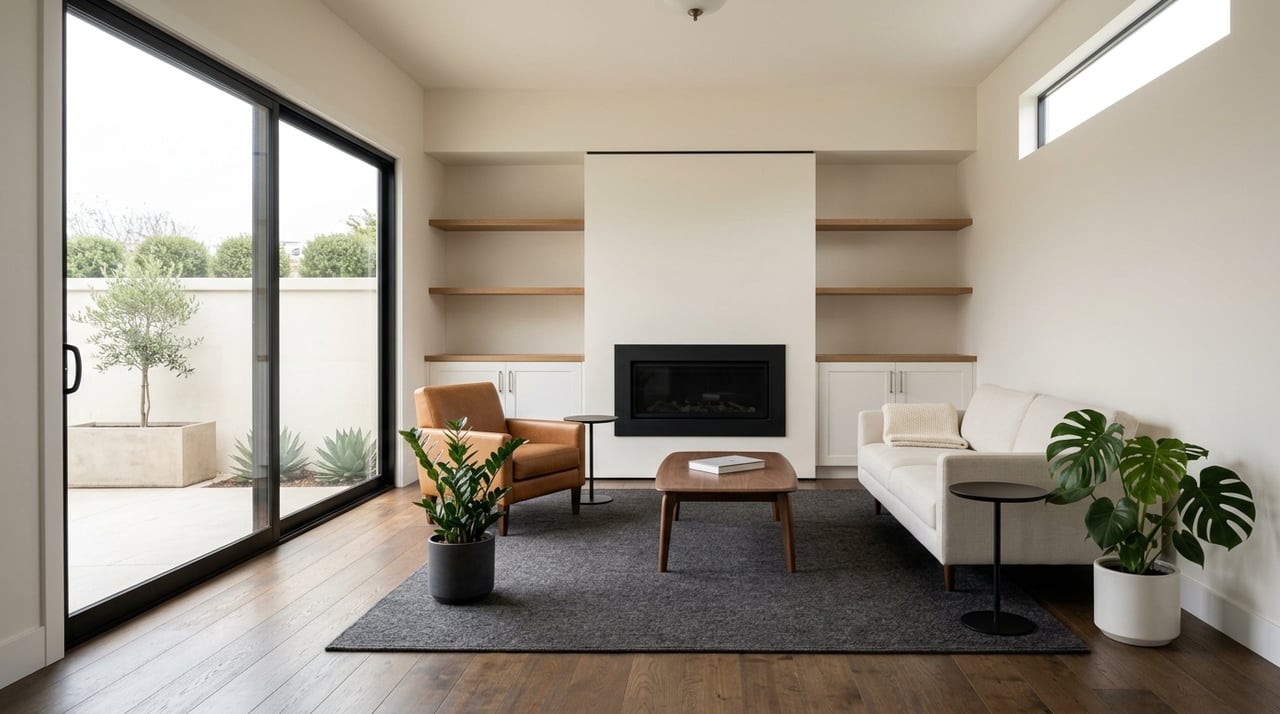
Staging, paint, and flooring. Neutral paint and a flooring refresh pair well with professional staging. Research from the National Association of REALTORS shows staging helps buyers visualize a property and can shorten time on market. Read NAR’s staging insights.
Elevate staging and media
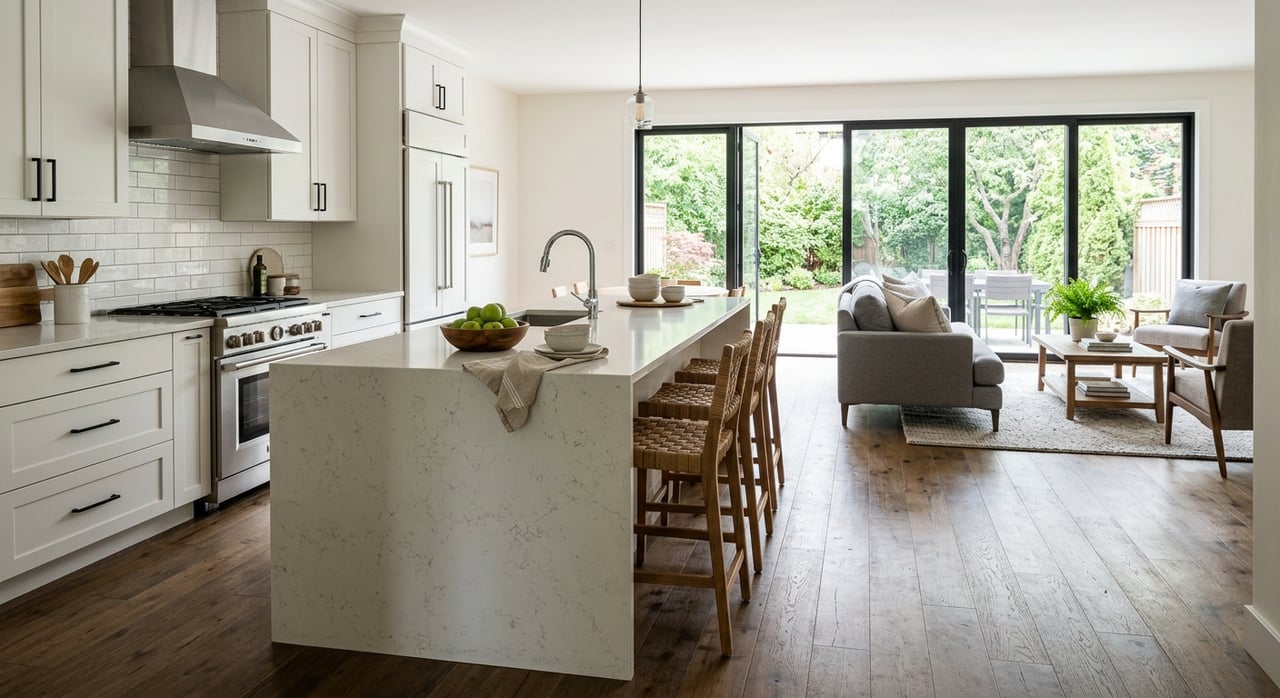
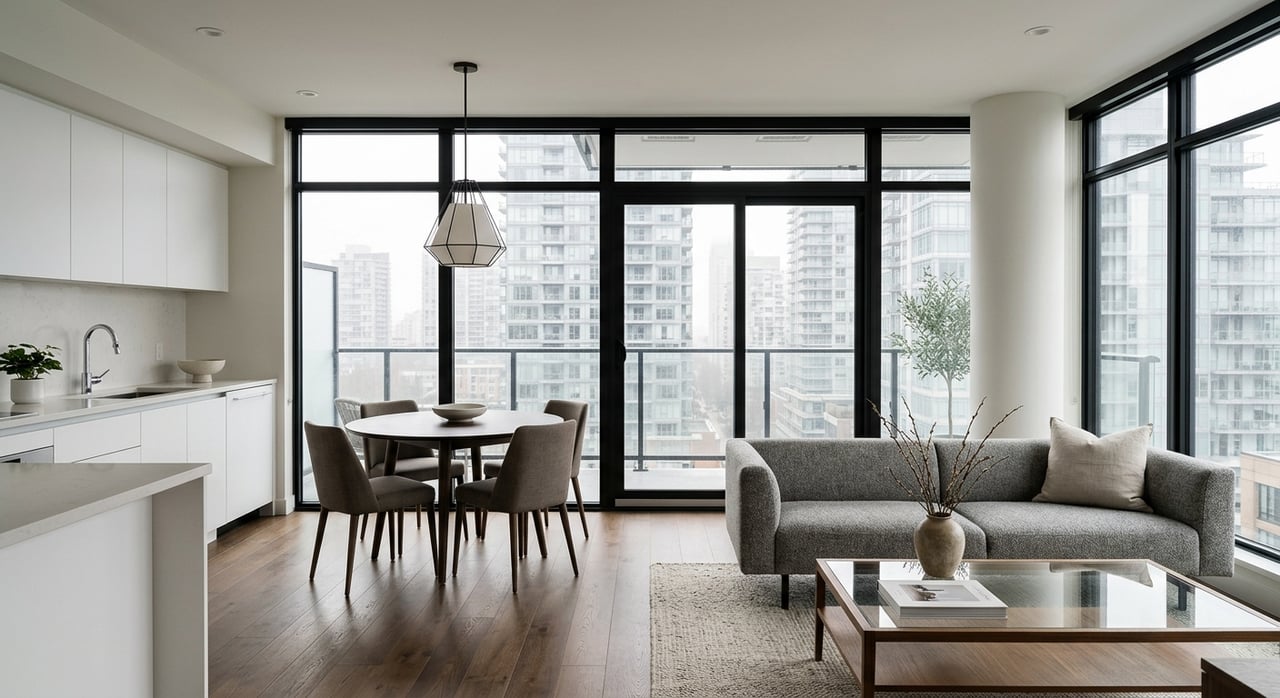
Staging is about helping buyers understand scale, flow, and potential. If you stage selectively, start with the living room, primary bedroom, and kitchen. These spaces anchor your online presence and open-house experience. According to NAR, many agents report that quality staging can shorten days on market and support stronger offers. Learn how staging impacts sales.
Today’s buyers shop online first. Professional interior photography, twilight exteriors, a clear floor plan, and a 3D tour or video walkthrough will raise engagement and help your listing compete. Industry analyses find professionally photographed homes attract more online views and can sell faster. See why pro photos matter.
Round out your media with short-form video for social and targeted online ads. Drone images help if you have a larger lot, views, or proximity to Lake Murray, the Village, or nearby parks.
Launch with Compass tools
If you want high-impact prep without upfront out-of-pocket costs, Compass Concierge can help. The program can cover staging, painting, and other non-structural cosmetic improvements, with repayment due at closing per program terms. Your agent can review eligibility and a budget that aligns with your goals. Explore Compass Concierge.
A phased launch can build momentum. Compass supports a three-step approach: Private Exclusive, Coming Soon, then full MLS. This sequence can test pricing, warm up the market, and target early interest before you go live. Compass has reported that pre-marketed listings were associated with a higher close price and faster contracts in 2024, though results vary by market. See how Private Exclusives work. Read Compass’s 2024 analysis.
Sample four-week timeline
- Week 0: Strategy and pricing. Review comps, choose a prep budget, and decide whether to use Concierge or a phased pre-market plan.
- Weeks 1–2: Pre-list inspections. Approve a repair and refresh list. Schedule painters, landscapers, and handyman work. Book staging and photography after cosmetic updates.
- Week 3: Media and soft launch. Complete photography, floor plan, and 3D tour. Consider Private Exclusive or Coming Soon to build early interest.
- Week 4: Public launch and showings. Go live on the MLS with a polished presentation, host open houses, and expect activity in the first 1–3 weeks depending on price and market conditions.
One-page seller checklist
- Paperwork and permits: Gather deeds, permits, prior inspections, HOA docs if applicable. If you renovated within 18 months, prepare AB 968 details. Review AB 968 basics. Refresh TDS requirements.
- Inspections: Order a general home inspection and WDO/termite report. Add targeted inspections as needed. Read WDO guidance.
- Safety and systems: Fix hazards, leaks, and obvious deferred maintenance. Disclose any unpermitted work.
- High-ROI upgrades: Enhance curb appeal, consider a minor kitchen refresh, and apply fresh, neutral paint. Check Cost vs. Value data.
- Staging and media: Declutter, stage key rooms, and book pro photos, floor plan, and a 3D tour. See NAR staging insights.
- Launch plan: Confirm if Compass Concierge and a phased rollout fit your goals. Explore Concierge. Learn about Private Exclusives.
Preparing well is how you protect your price and your peace of mind. If you are ready to build a custom plan for your address in 91941 or 91942, the Lyle + Grace Team is here to help you time the market, choose the right updates, and launch with confidence.
FAQs
Should I get a pre-list inspection in La Mesa?
- Often yes. It helps surface issues early, supports accurate pricing, and can smooth escrow, but remember that any material issues you learn must be disclosed under California law.
Which small repairs usually pay off before listing?
- Focus on curb appeal, minor kitchen refreshes, and entry or garage doors. Cost vs. Value data shows many exterior replacements and minor remodels recover a strong share of cost. See the data.
How much does staging matter for La Mesa homes?
- Staging helps buyers visualize the space and can shorten time on market. Prioritize the living room, primary bedroom, and kitchen. Read NAR’s staging takeaways.
What does Compass Concierge cover and when do I repay?
- Concierge can front many cosmetic prep costs like staging and painting. Repayment is due at closing or per program terms. Explore the program.
Do I need a termite or WDO report to sell?
- Many lenders in California expect a recent WDO report, and buyers often ask for it. Ordering one upfront can prevent delays. Learn more.
How do prices differ across 91941 and 91942?
- There is meaningful price dispersion across La Mesa submarkets and property types. Use a local comparative market analysis to set price based on your specific location and condition.