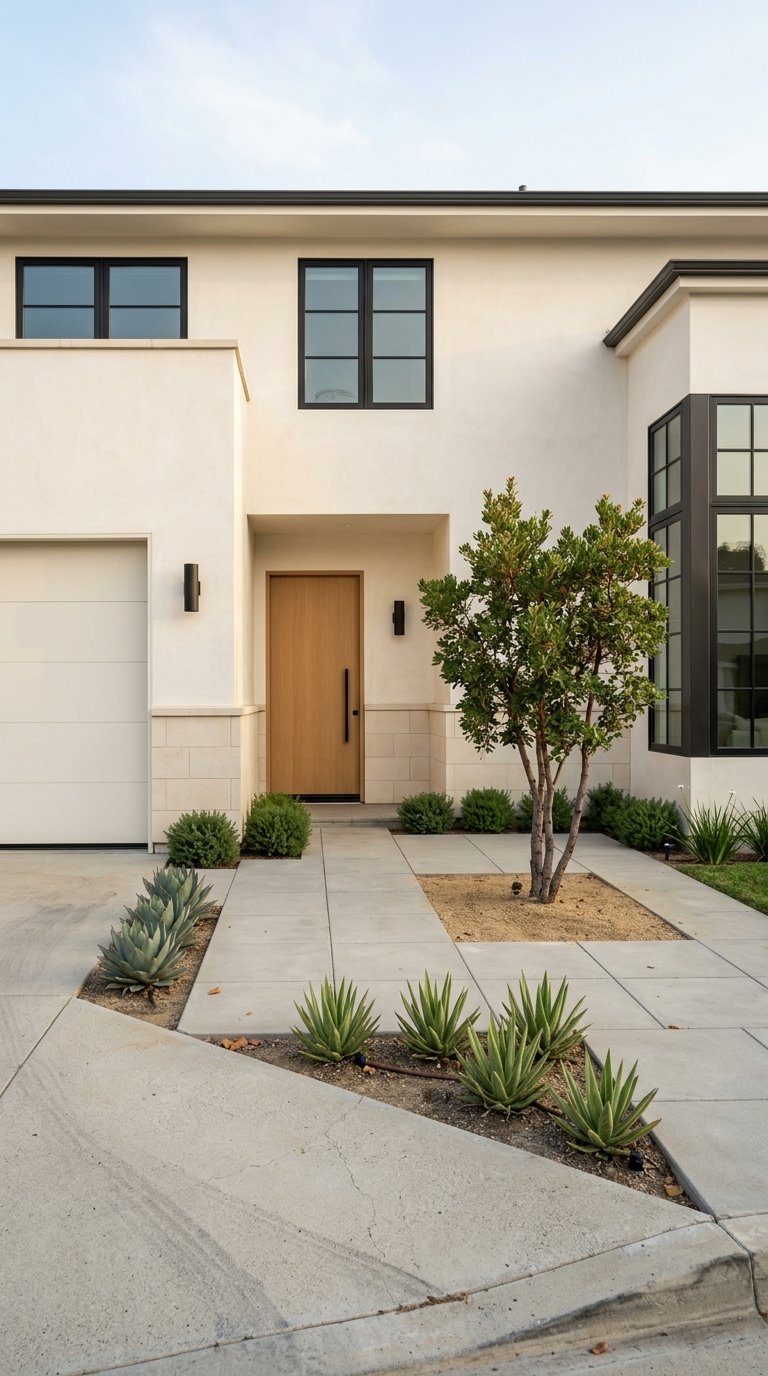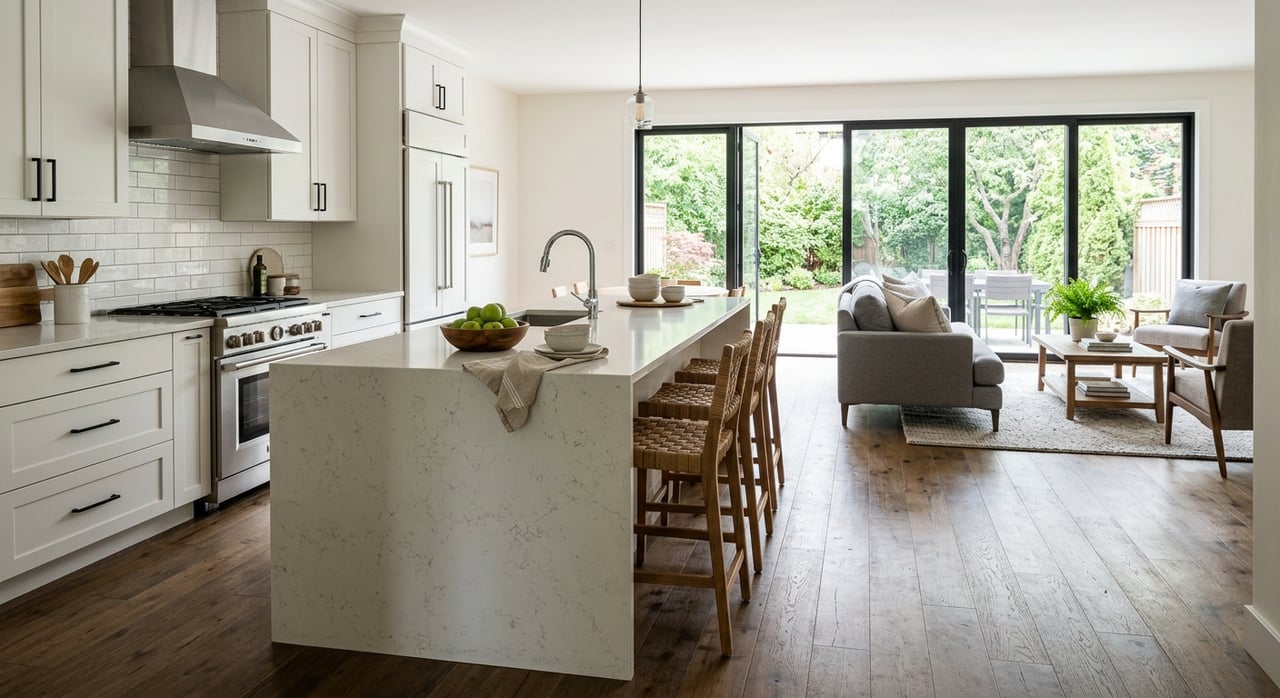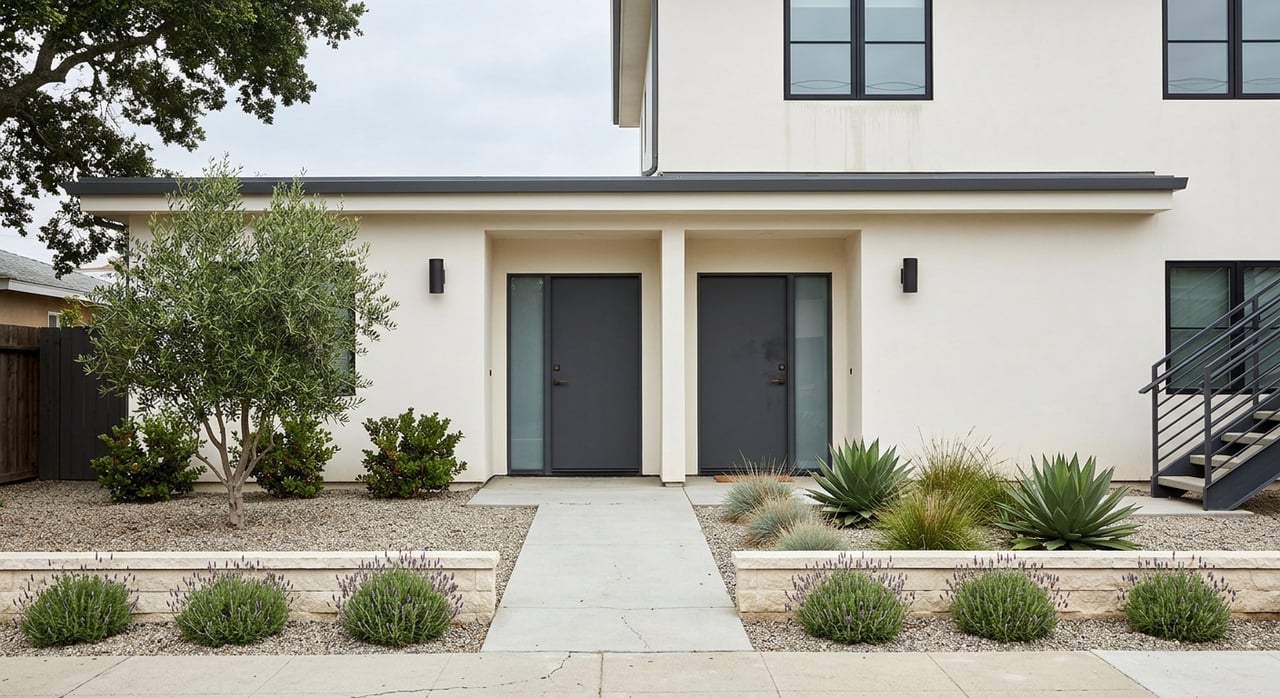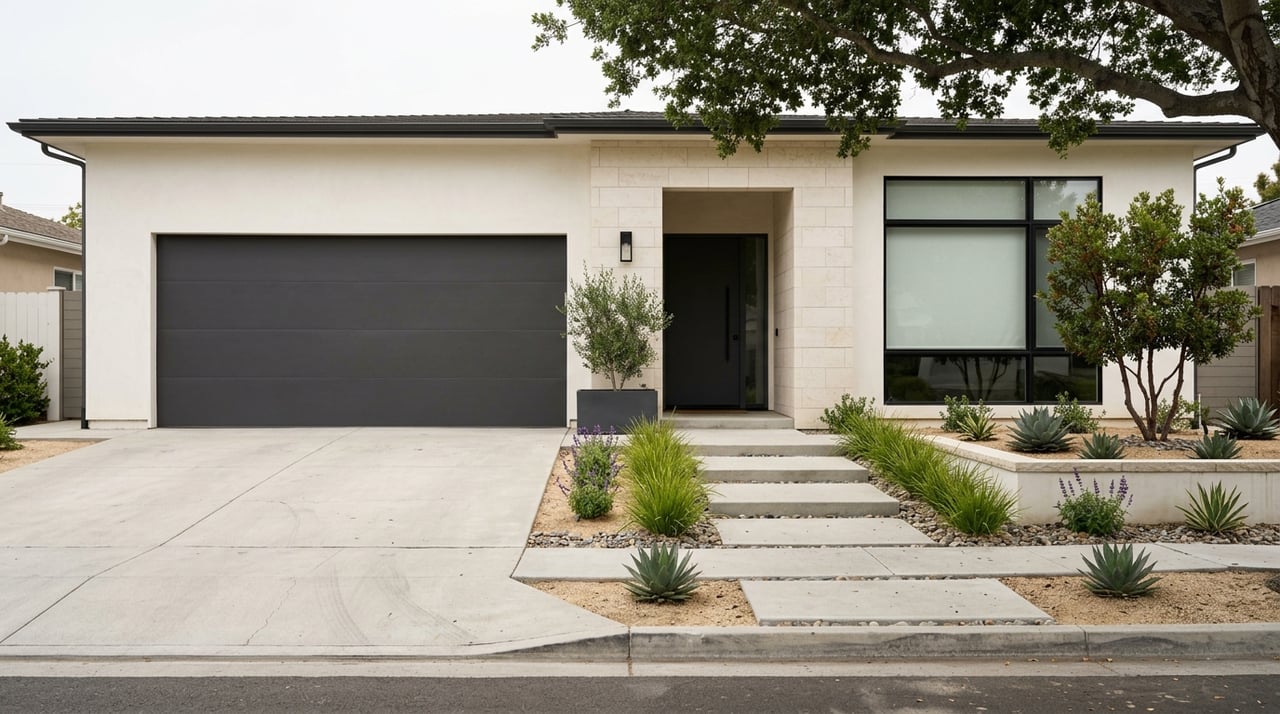
Choosing between East County and Central San Diego is not just about price. It is about how you want your day-to-day life to feel, from your commute and housing style to the kind of outdoor access you want nearby. If you are trying to decide where you will feel most at home, this guide breaks down the real differences so you can match your move to your lifestyle. Let’s dive in.
Price differences by area
One of the biggest reasons buyers compare East County with Central San Diego is value. Based on the research provided, East County often gives you more room in your budget, but the pricing story is not one-size-fits-all.
In February 2026, median sale prices were about $715,000 in El Cajon, $762,000 in Lakeside, $789,500 in Spring Valley, $830,000 in Jamul, and $892,500 in La Mesa. On the central side, median sale prices were about $755,250 in Downtown, $805,750 in Central San Diego, and $941,500 in North Park. The main takeaway is simple: East County can offer better value, but communities like La Mesa may price similarly to some central neighborhoods.
Housing feel and neighborhood form
East County offers a wider range
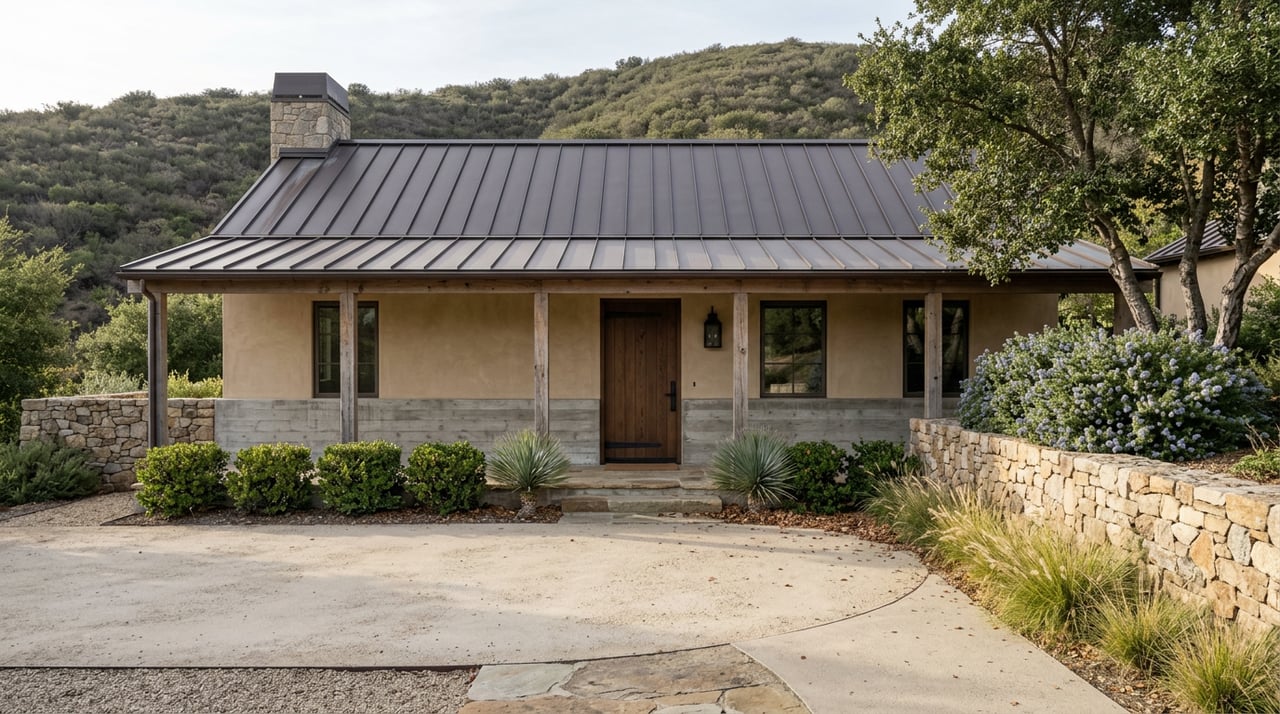
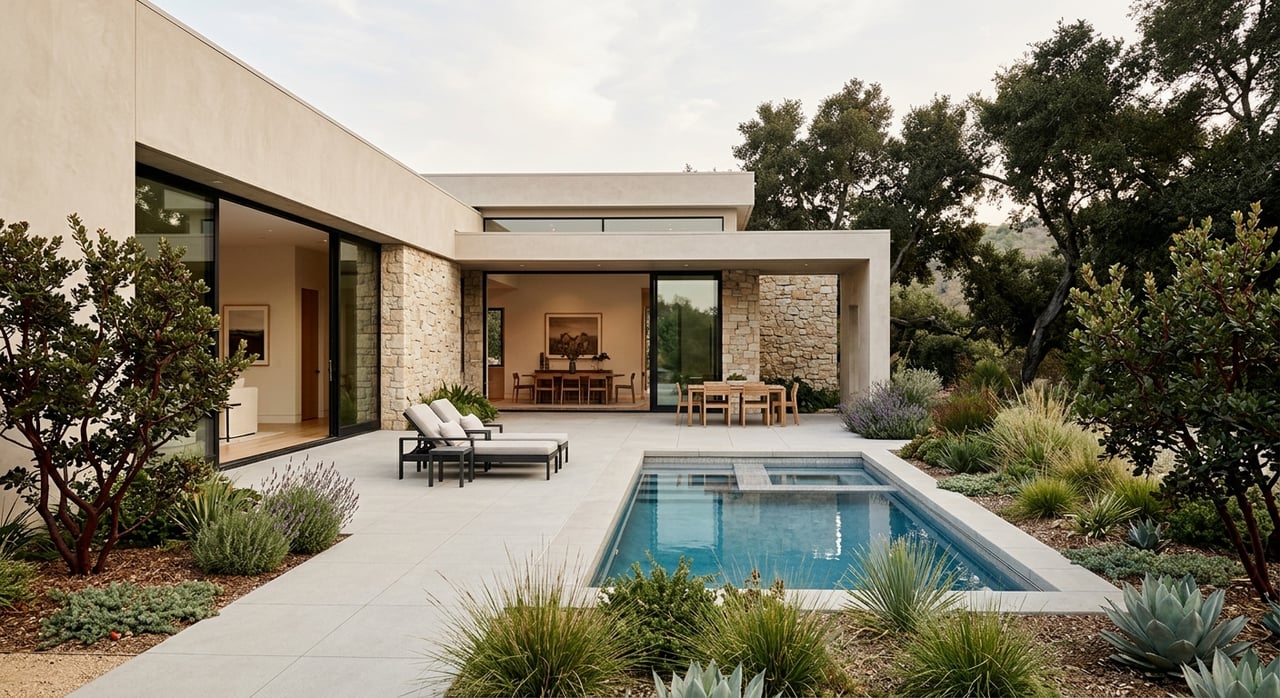
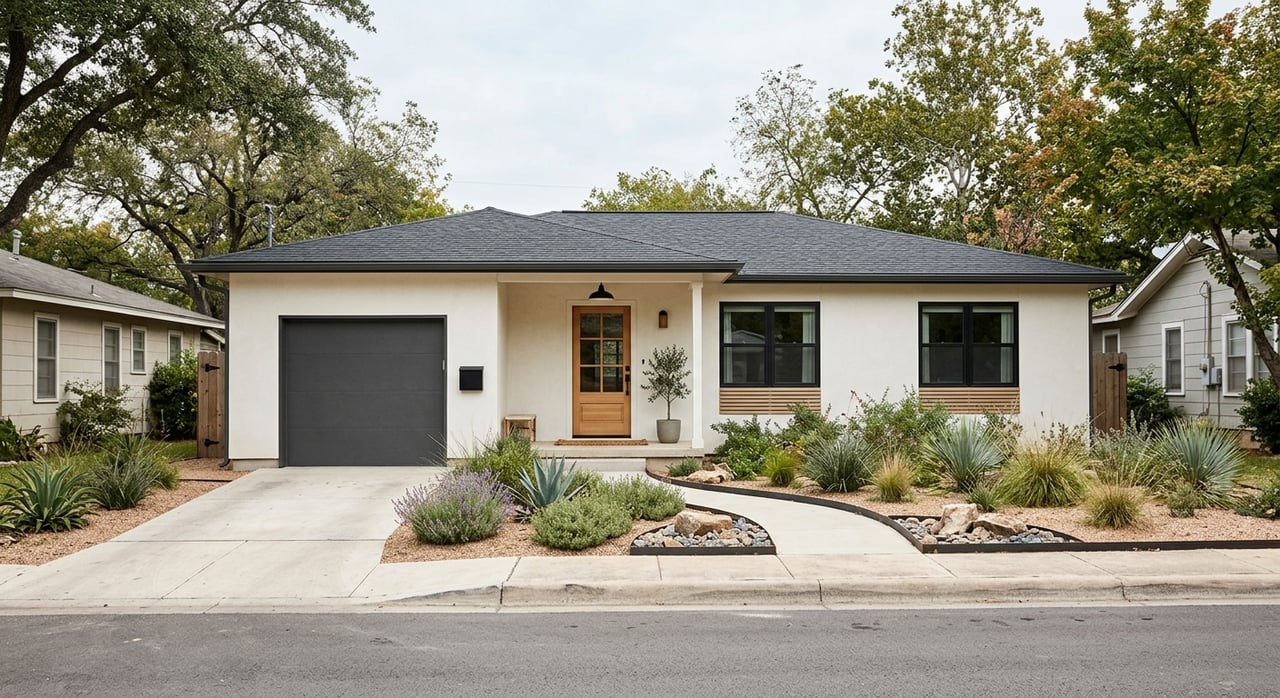
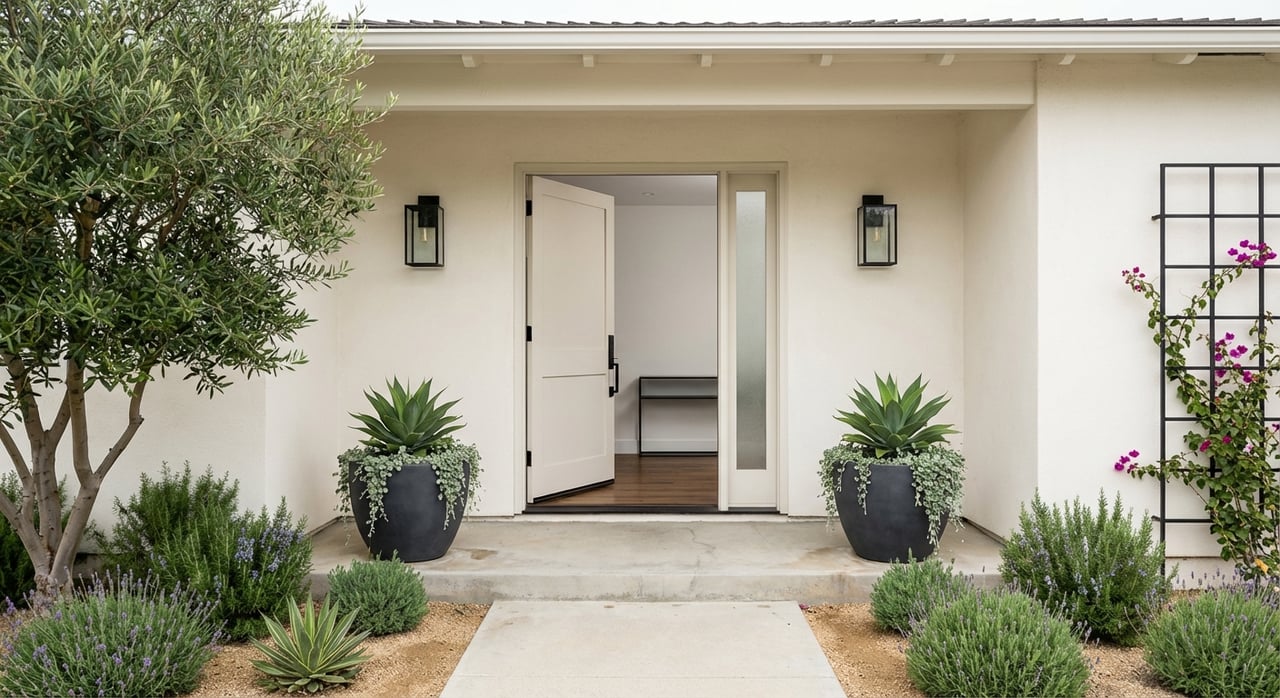
East County is best understood as a spectrum. Some areas feel suburban and compact, while others lean rural with more land, privacy, and open space.
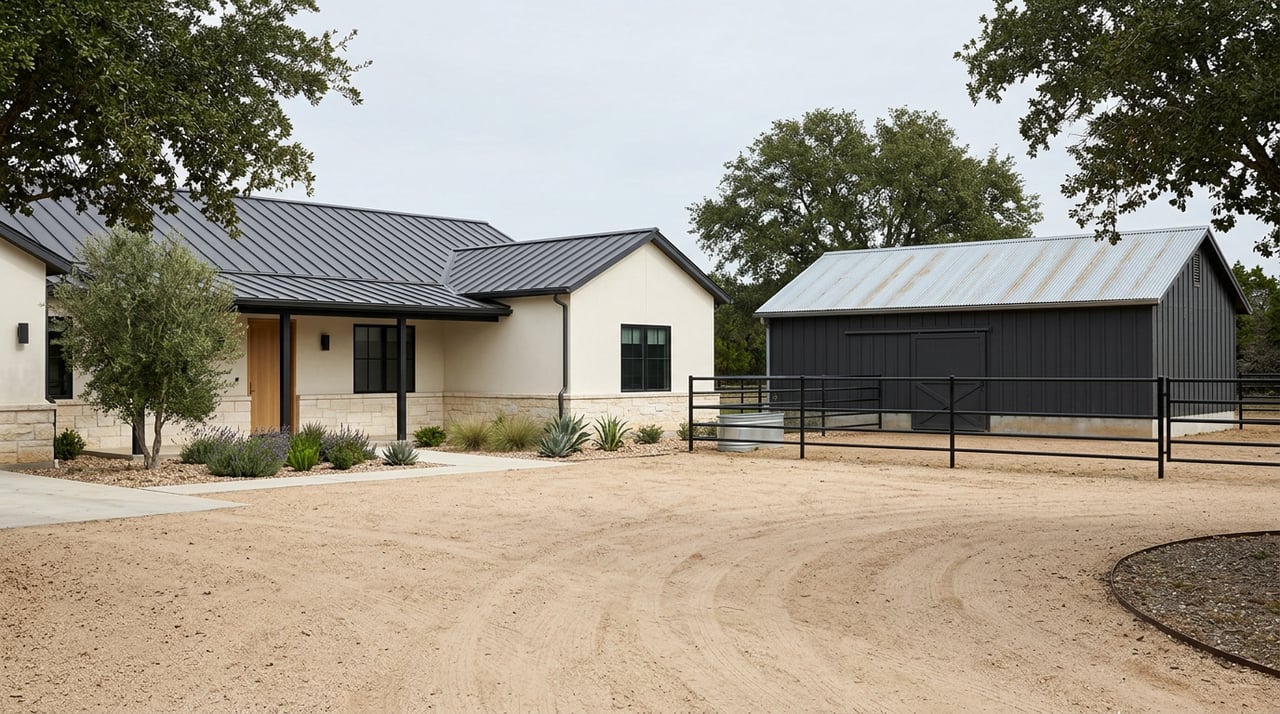
According to San Diego County, Jamul and Dulzura have a largely rural or semi-rural character across about 168 square miles, with no sewer system and a relatively small population. Lakeside’s community plan also points to its rural roots, including small-scale farming, horse corrals, and a lifestyle that still values space and a less urban setting.
Central San Diego feels more urban
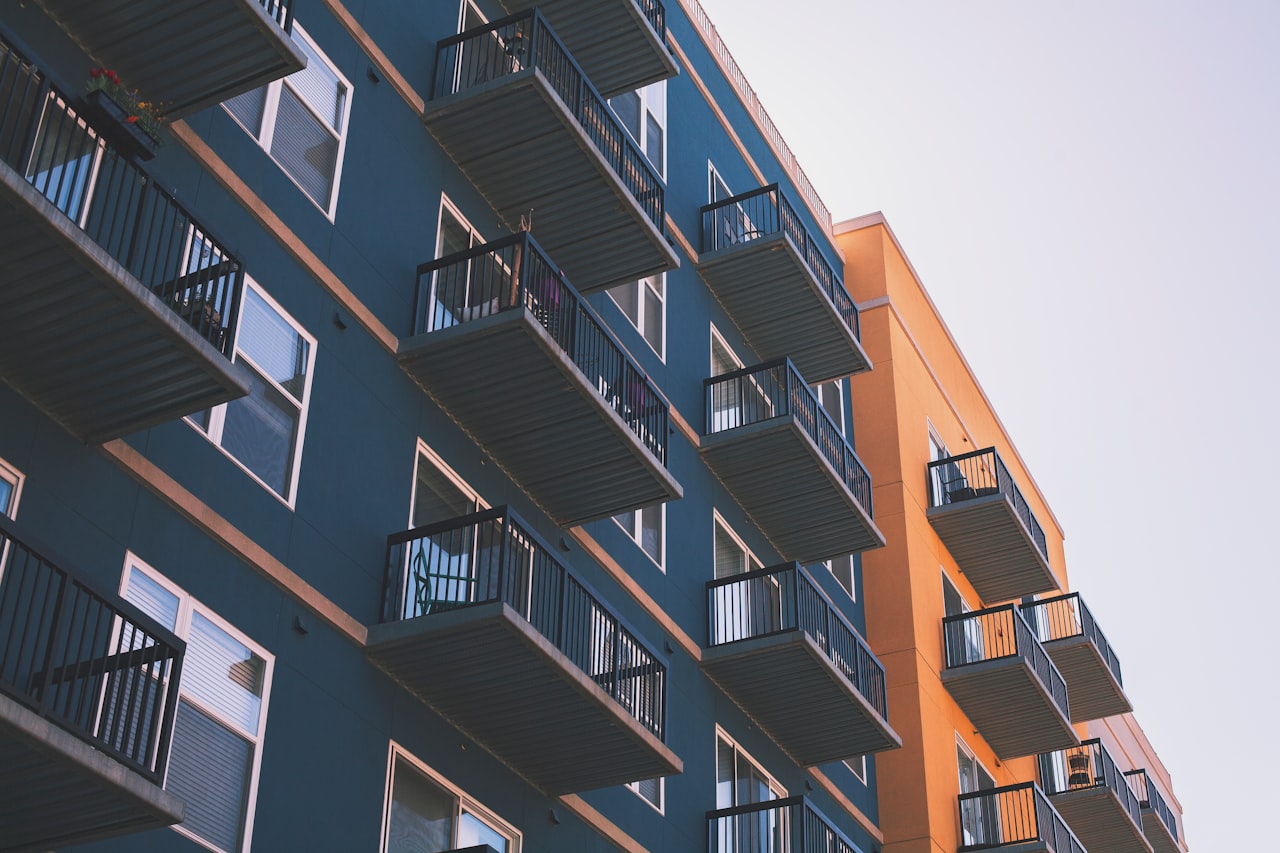
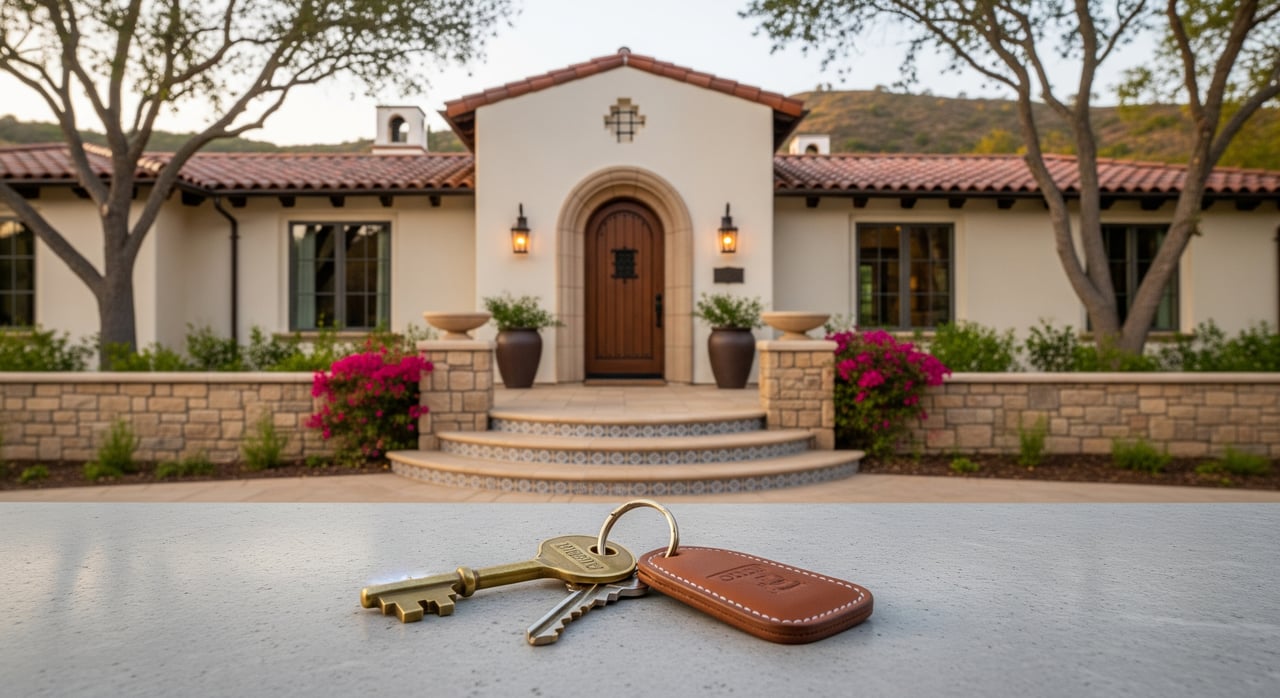
Central San Diego offers a different experience. The City of San Diego describes North Park as an older, urbanized community with mixed residential and commercial areas, while Downtown is considered the region’s center of activity, with homes near work, transit, recreation, and culture.
If you picture a more walkable, connected, city-style environment, central neighborhoods may feel like a better fit. If you picture a larger lot, more separation from neighbors, or even acreage potential, your search will likely move farther east.
Density can help tell the story
Population density is not the same thing as lot size, but it can help explain how an area feels. Census QuickFacts show Jamul at about 367 people per square mile, compared with 3,053 in Lakeside, 4,222 in Spring Valley, 6,723 in La Mesa, and 7,320 in El Cajon.
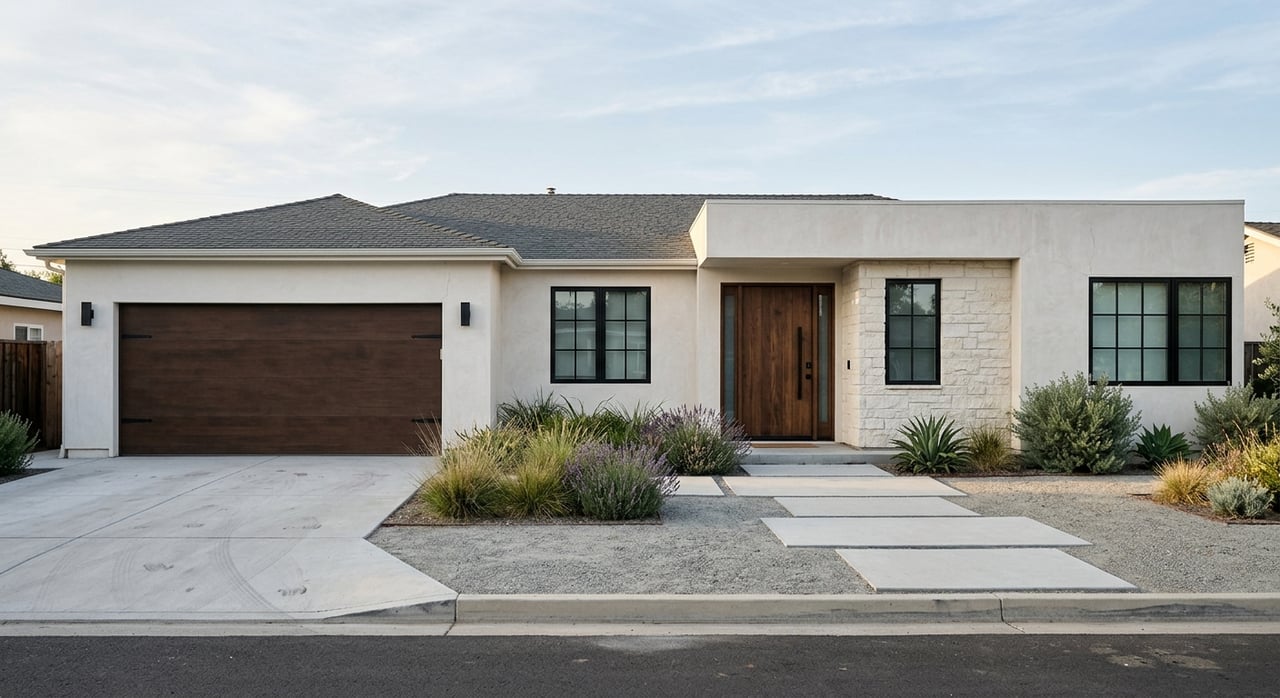
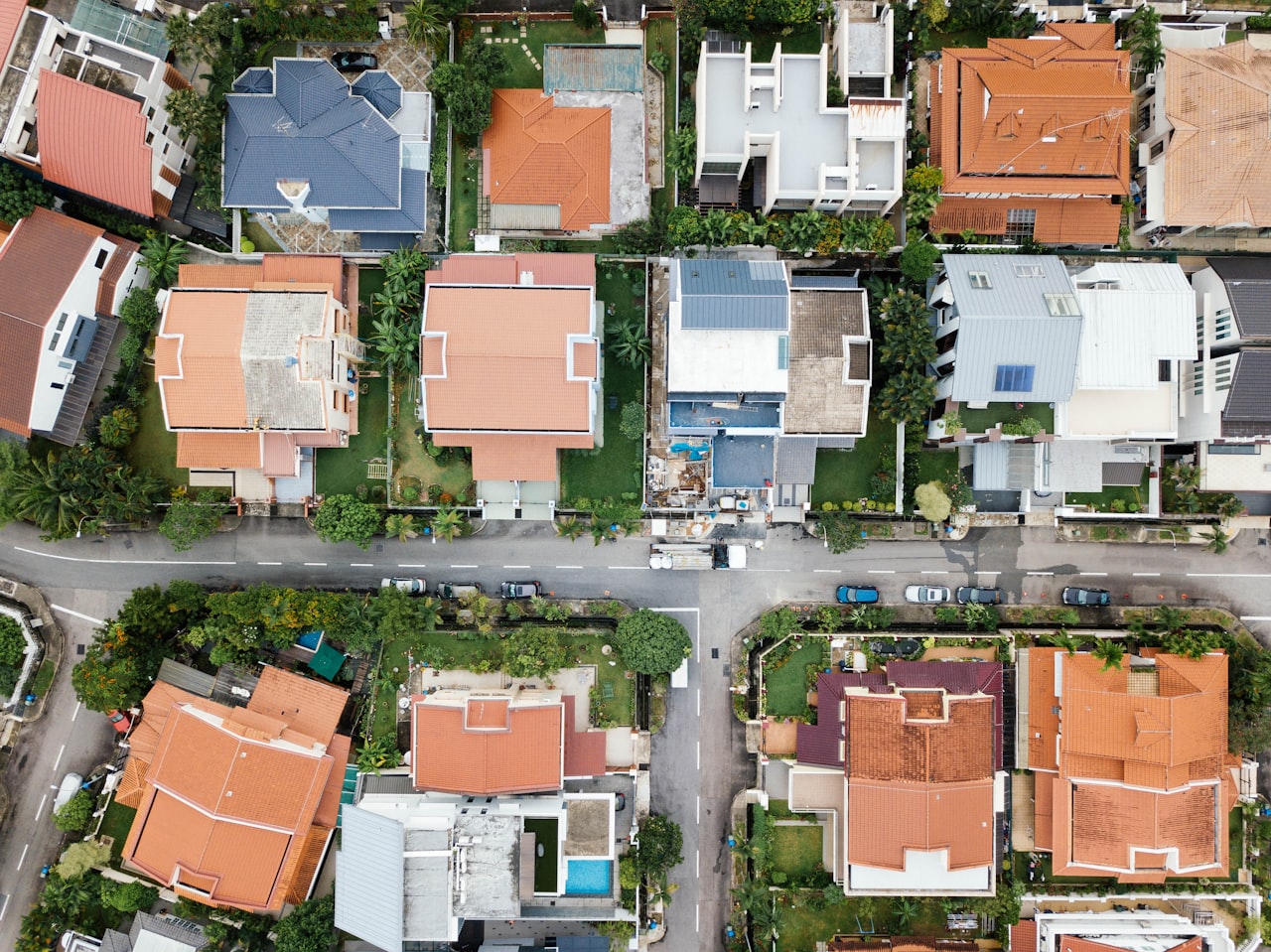
That contrast matters when you are thinking about lifestyle. East County includes both lower-density rural pockets and more compact suburban cities, while Central San Diego generally lines up more with an urban block pattern and closer-knit development.
Commute and access matter
Central San Diego favors convenience
If being closer to the urban core matters most, Central San Diego has a clear edge. The research shows average commute times of 23.5 minutes in San Diego city, which is slightly lower than several East County communities.
That shorter average lines up with the city’s central location and access to jobs, transit, and services. For buyers who want less driving and more urban convenience, that can be a deciding factor.
East County can mean more drive time
East County commute times vary by community. Census data shows averages of 23.8 minutes in La Mesa, 24.7 in El Cajon, 25.6 in Lakeside, 27.0 in Spring Valley, and 33.6 in Jamul.
That does not mean East County is inconvenient. It means you may be trading a longer drive for more space, more privacy, or a different home style. For many buyers, that trade-off is well worth it.
Transit access is stronger in some areas
Transit can shift the equation. The research notes that the Orange Line serves both La Mesa and El Cajon and connects East County to Downtown San Diego.
That makes some East County communities especially appealing if you want a middle ground between suburban living and access to the city. La Mesa, in particular, stands out as a bridge community because of both its commute profile and its connection to transit.
Climate changes as you move inland
San Diego County is famous for its weather, but conditions are not the same everywhere. The research from NOAA climate normals shows that inland areas like El Cajon tend to run hotter in summer than the central coastal area around Lindbergh Field.
El Cajon has a July mean high of 86.1°F and an August mean high of 88.6°F, compared with 75.3°F and 77.3°F near Lindbergh Field. Annual precipitation is also a bit higher in El Cajon, at 11.63 inches versus 9.79 inches at the coastal station.
For you, that means Central San Diego will usually feel milder, especially in summer. East County often feels warmer and a bit more seasonal, which some buyers love and others prefer to avoid.
Lifestyle trade-offs to think about
Choose East County for space
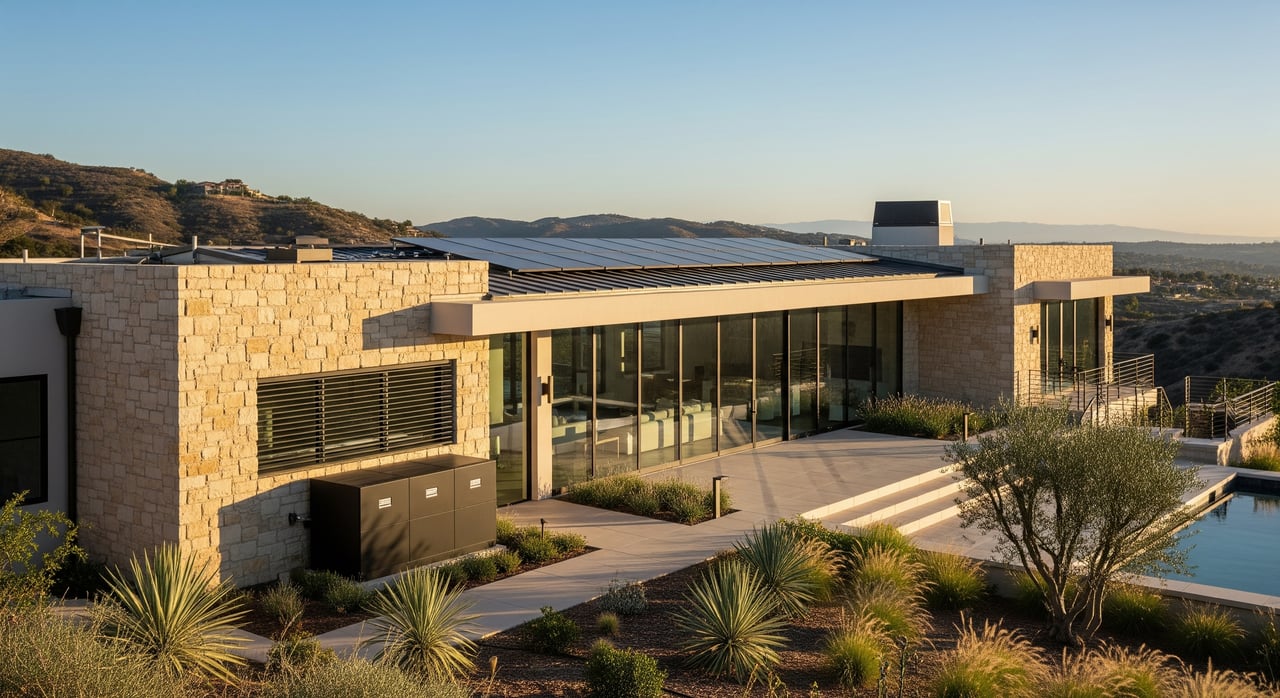
If your ideal home includes more privacy, extra land, room for hobbies, or a more rural setting, East County may fit better. Jamul and Lakeside stand out in the research for their lower-density, recreation-oriented, and rural lifestyle features.
That can be especially appealing if you want horse-property potential, open views, or a home that feels less tied to an urban pace. These communities offer a very different experience from a central neighborhood close to the city core.
Choose Central for urban access
If you want easier access to transit, cultural districts, parks, and a more walkable city environment, Central San Diego may line up better with your goals. North Park and Downtown are highlighted in the research as central, urban, and connected to work and recreation.
This choice often comes down to how you spend your time. If you want a neighborhood that keeps you close to the middle of the action, the central side is likely to feel more natural.
Consider East County middle-ground options
Not every buyer wants an all-or-nothing choice. Some East County communities offer a middle ground between space and convenience.
El Cajon and Spring Valley can appeal to buyers who want a suburban setting while staying within a mid-20-minute average commute range. La Mesa is especially worth watching because it blends East County access with a commute average close to San Diego city and Orange Line trolley service.
La Mesa is its own category
One important point from the research is that La Mesa is not automatically the budget East County option. With a median sale price of $892,500, it sits close to some central neighborhoods and above Downtown San Diego’s reported median.
That makes La Mesa less of a bargain play and more of a lifestyle bridge. If you want East County positioning with stronger transit access and a shorter average commute, it may still be a strong fit, but it should be evaluated on lifestyle, not just price.
How to choose the right fit
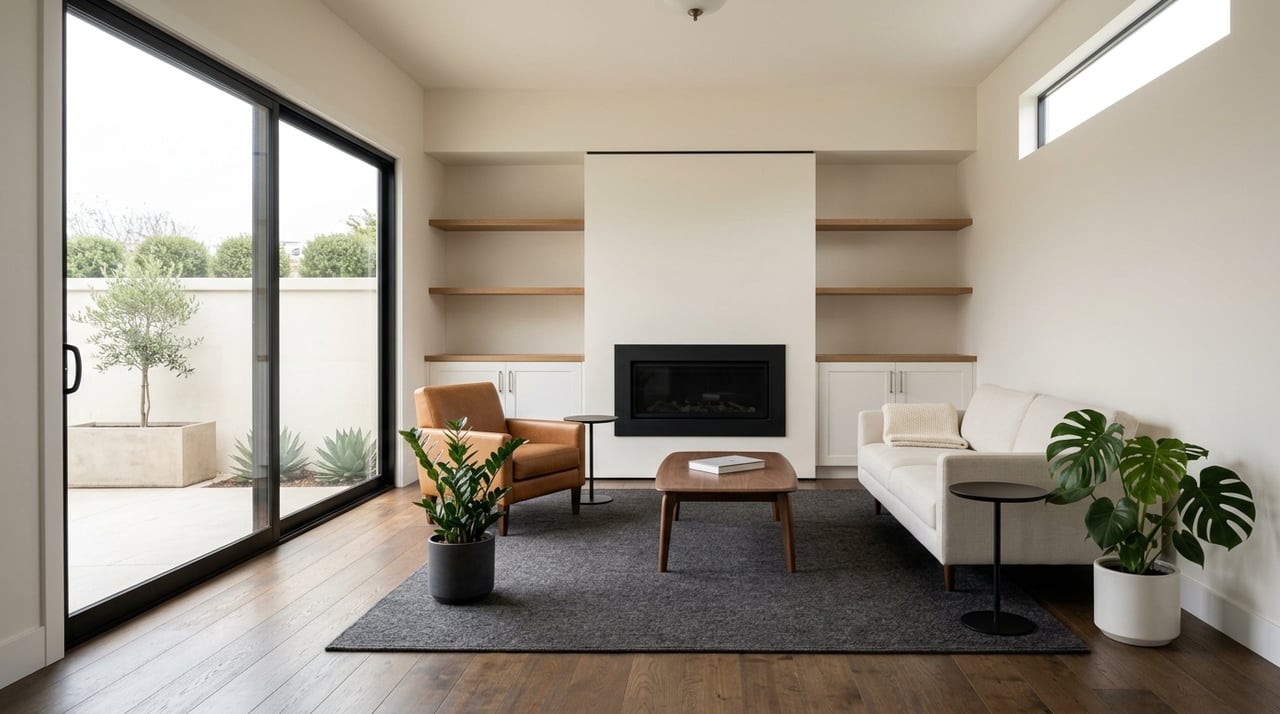
If you are deciding between East County and Central San Diego, start with the part of your life you do not want to compromise on. For some buyers, that is space, privacy, and a larger home footprint. For others, it is quicker access to work, transit, dining, and an urban setting.
A helpful way to narrow it down is to ask yourself:
- Do you want more home and land for your budget?
- Do you want a more walkable or urban environment?
- How much commute time feels comfortable to you?
- Would warmer inland summers bother you, or do you prefer them?
- Are you looking for a suburban feel, a rural setting, or an urban neighborhood pattern?
Your answers will usually point you in the right direction faster than price alone.
Final thoughts
There is no single winner in the East County versus Central San Diego debate. The better choice depends on whether you value space and flexibility or walkability and urban access more in your everyday life.
East County gives you a broad mix, from suburban El Cajon and Spring Valley to more rural Jamul and Lakeside, with La Mesa sitting somewhere in between. Central San Diego leans more toward convenience, density, and a city-centered lifestyle. If you want help comparing communities and finding the right match for your goals, connect with the Lyle + Grace Team.
FAQs
What is the main lifestyle difference between East County and Central San Diego?
- East County generally offers more space, lower-density options, and a broader range of suburban to rural settings, while Central San Diego is better known for urban access, walkability, and proximity to transit, work, and cultural areas.
Is East County always more affordable than Central San Diego?
- No. East County often gives buyers more room in the budget, but it is not uniformly cheaper. For example, the research shows La Mesa priced close to some central neighborhoods and above Downtown San Diego.
Which East County communities offer a middle ground for buyers?
- El Cajon, Spring Valley, and La Mesa can offer a balance of suburban living and access to the rest of San Diego, with La Mesa and El Cajon also benefiting from Orange Line trolley service.
How do commute times compare between East County and Central San Diego?
- The research shows average commute times of 23.5 minutes in San Diego city, 23.8 in La Mesa, 24.7 in El Cajon, 25.6 in Lakeside, 27.0 in Spring Valley, and 33.6 in Jamul.
How does weather differ between East County and Central San Diego?
- Central San Diego is generally milder, especially in summer. East County inland areas like El Cajon tend to be hotter during summer months and feel a bit more seasonal overall.