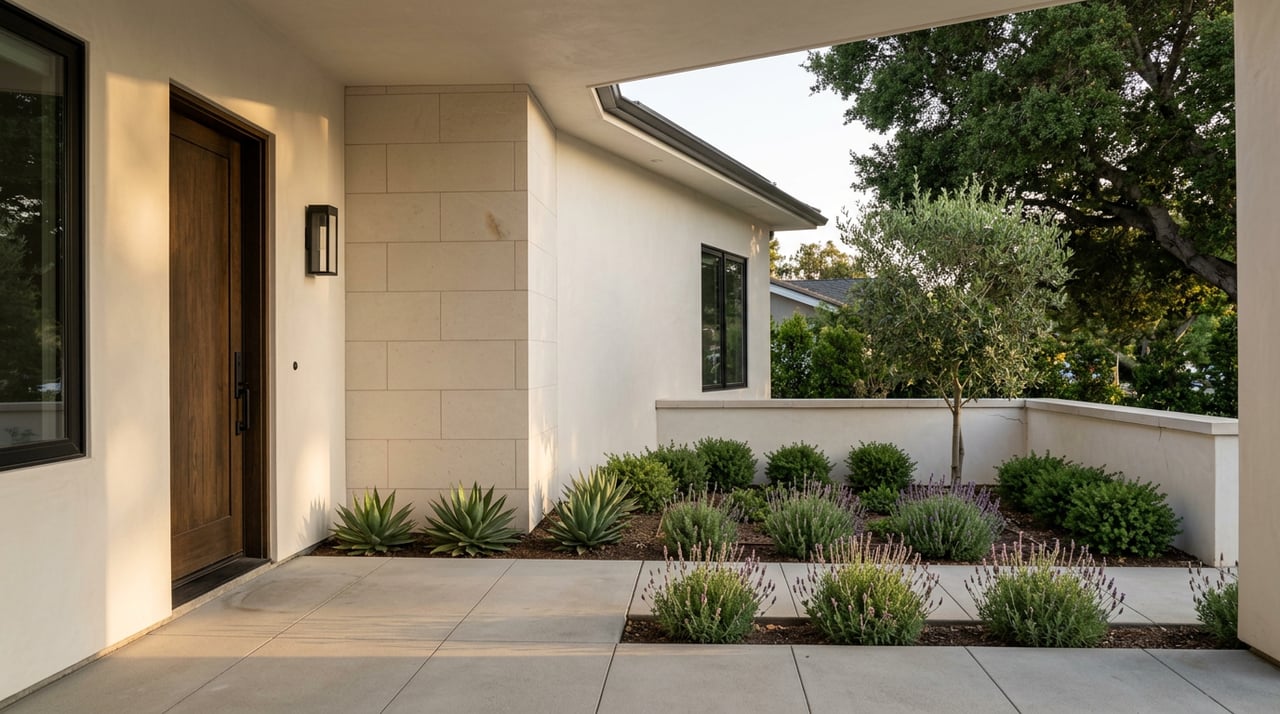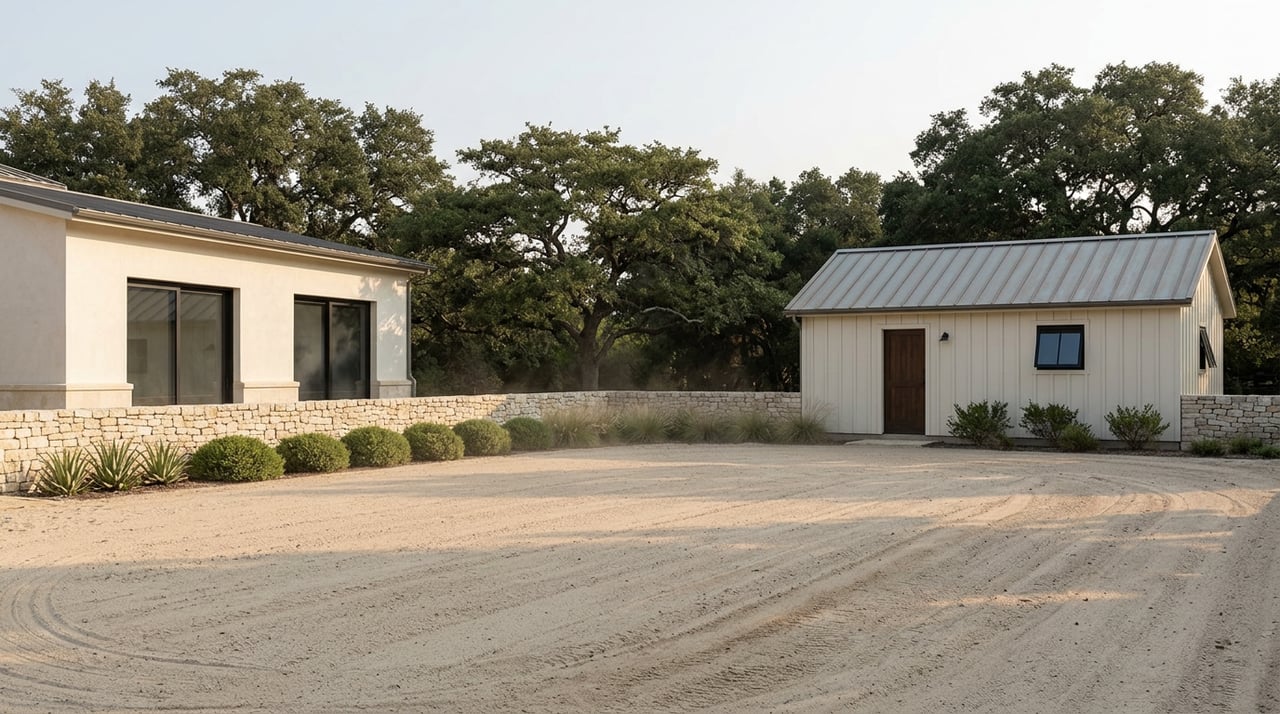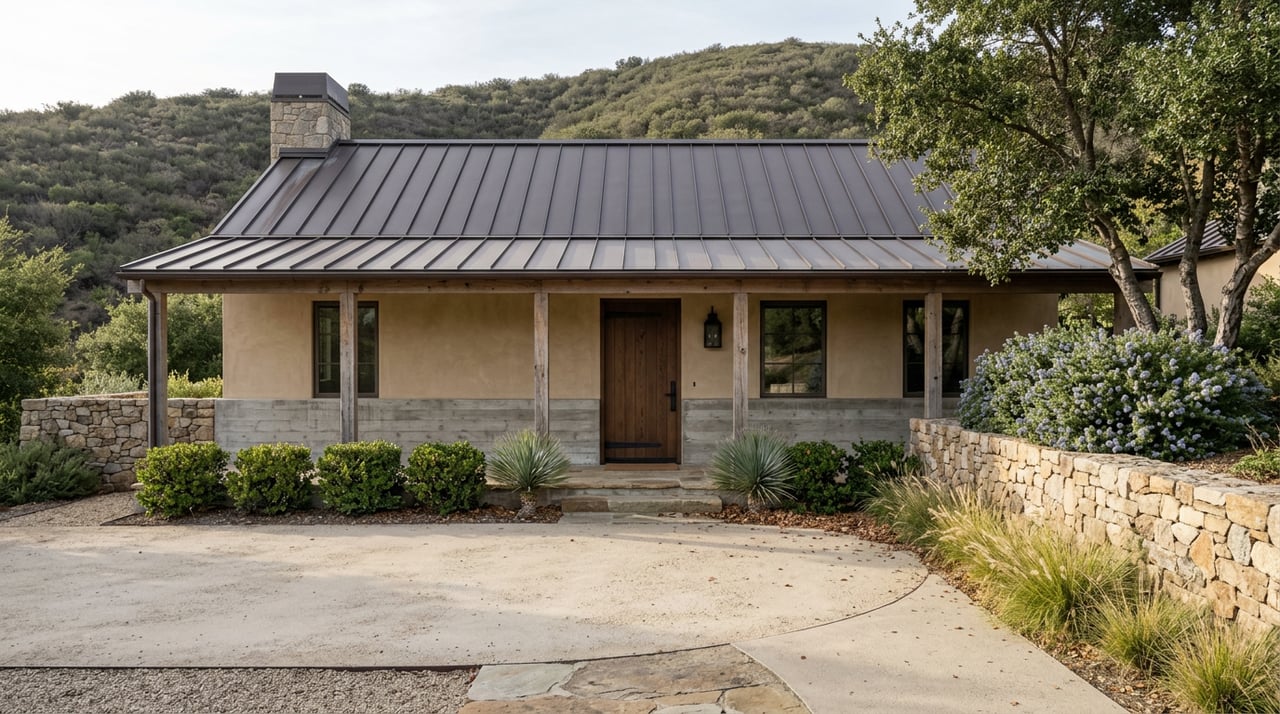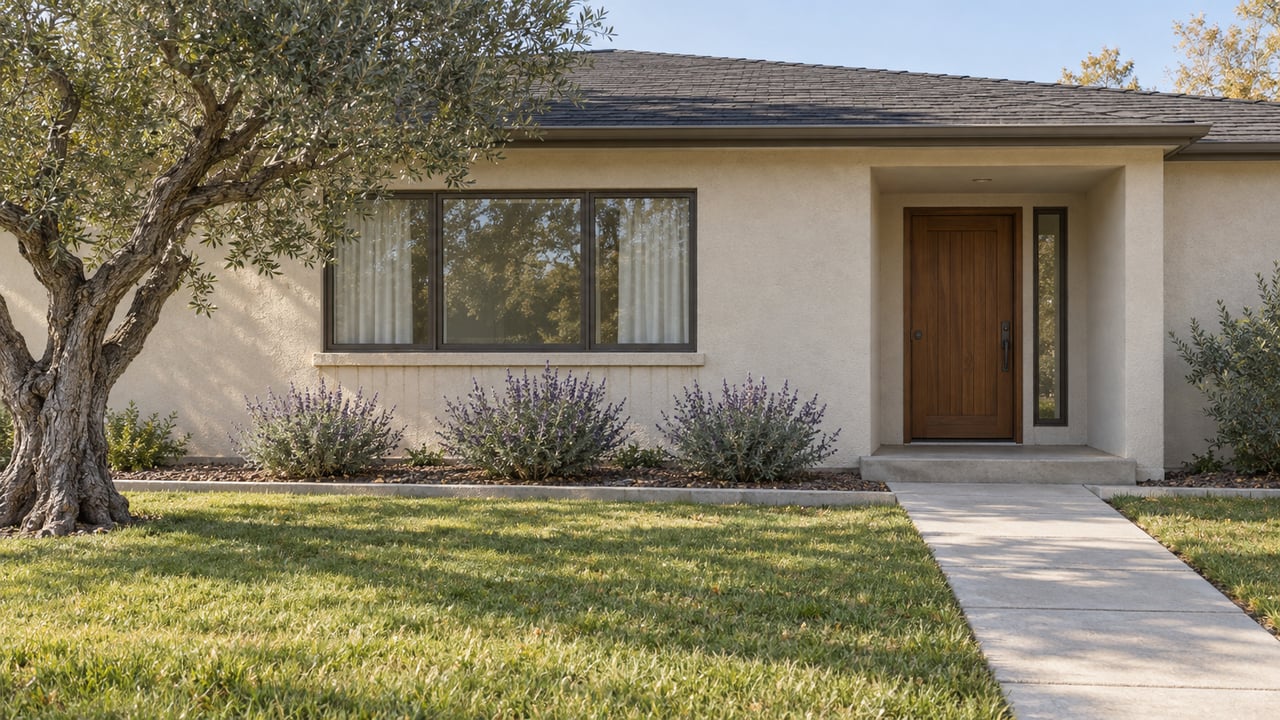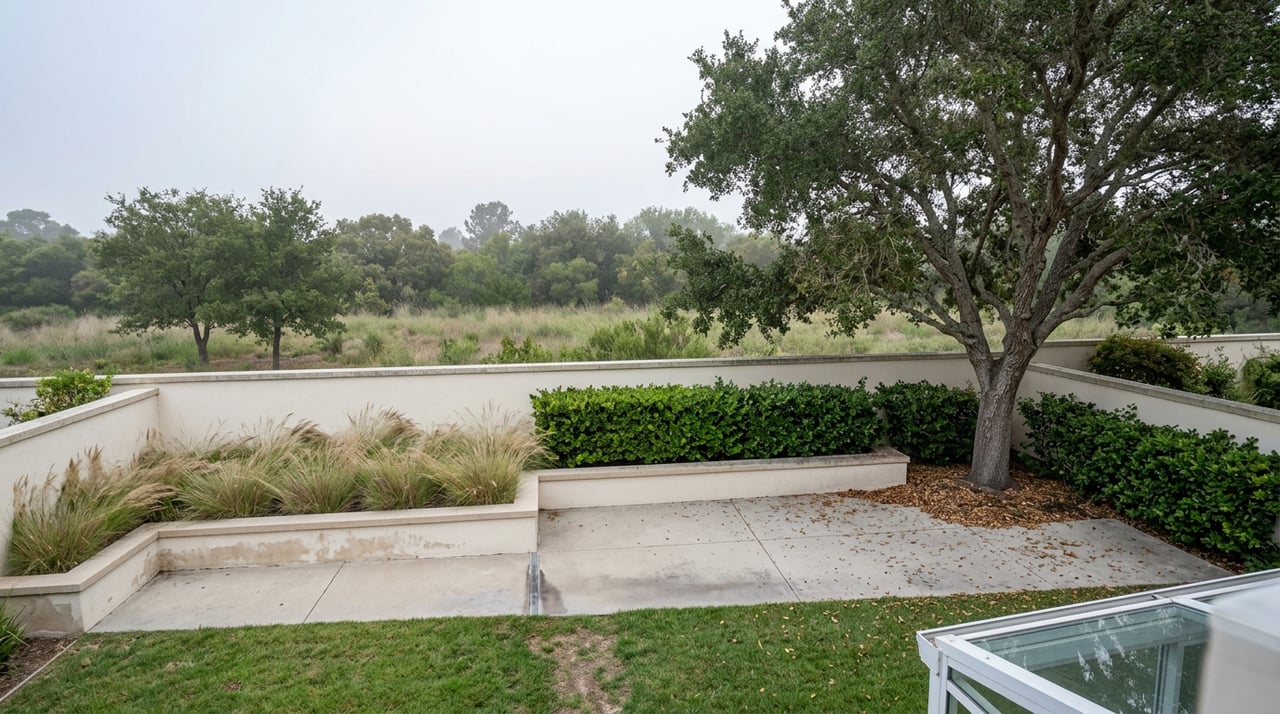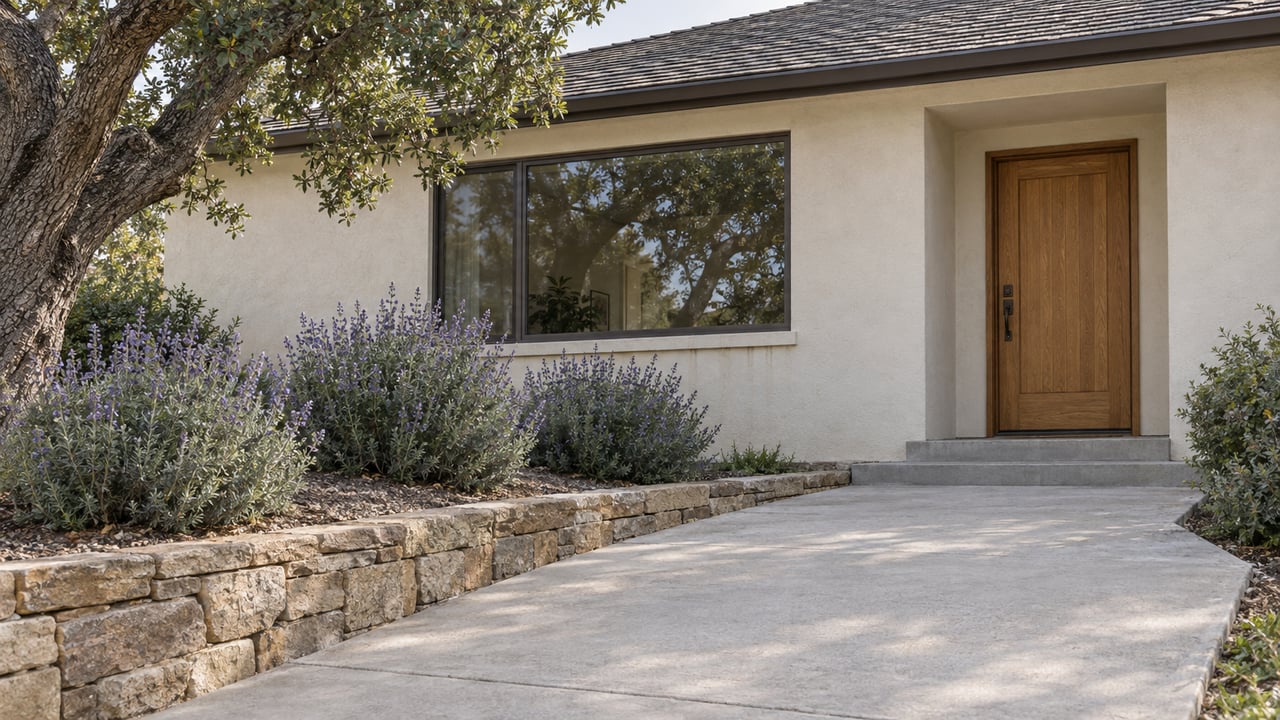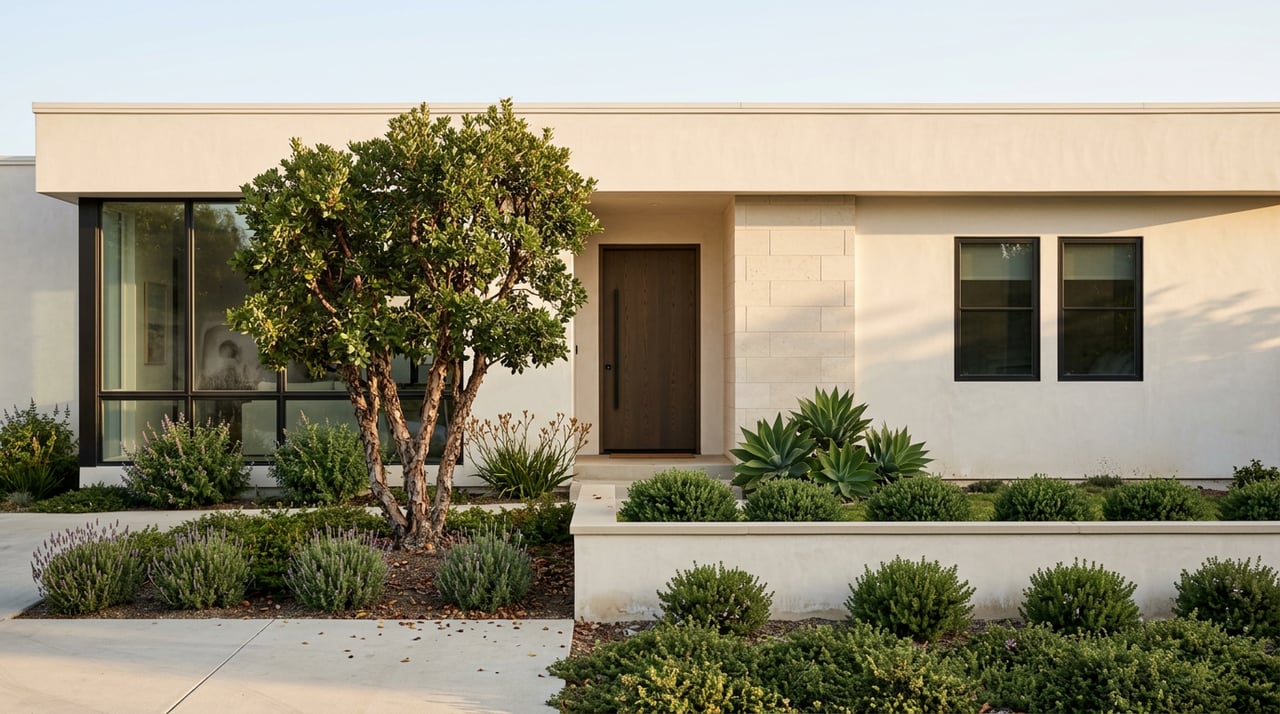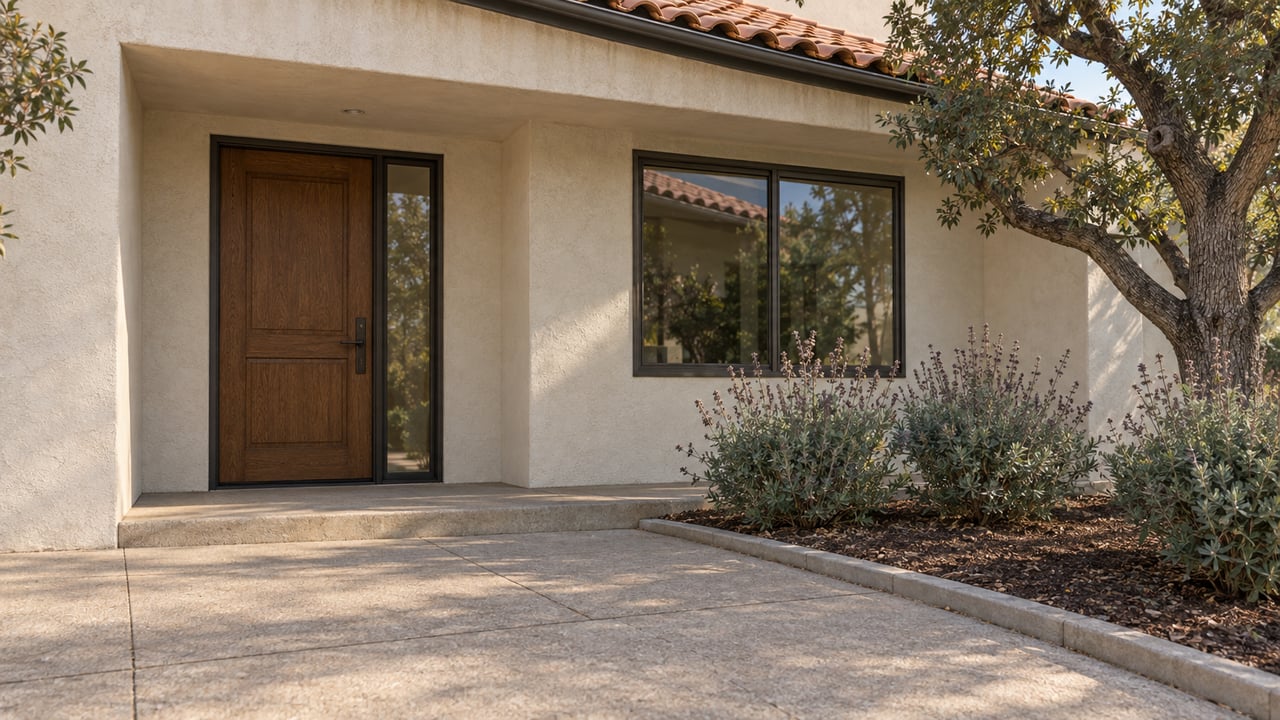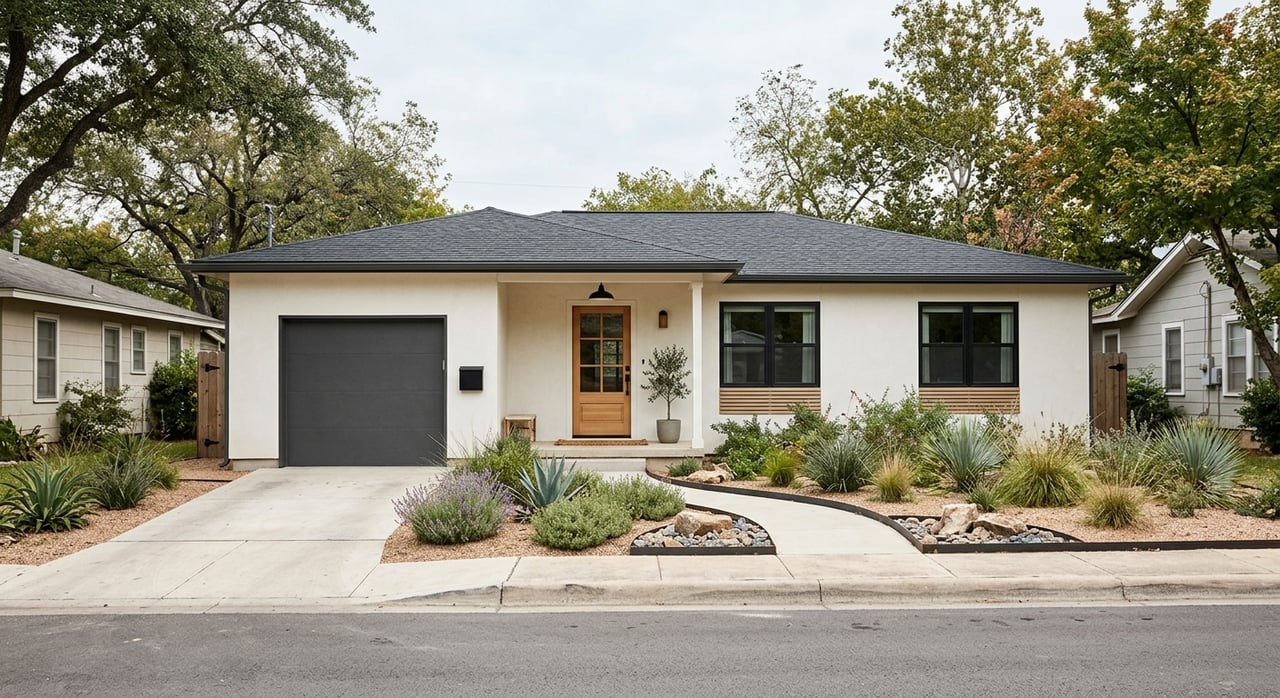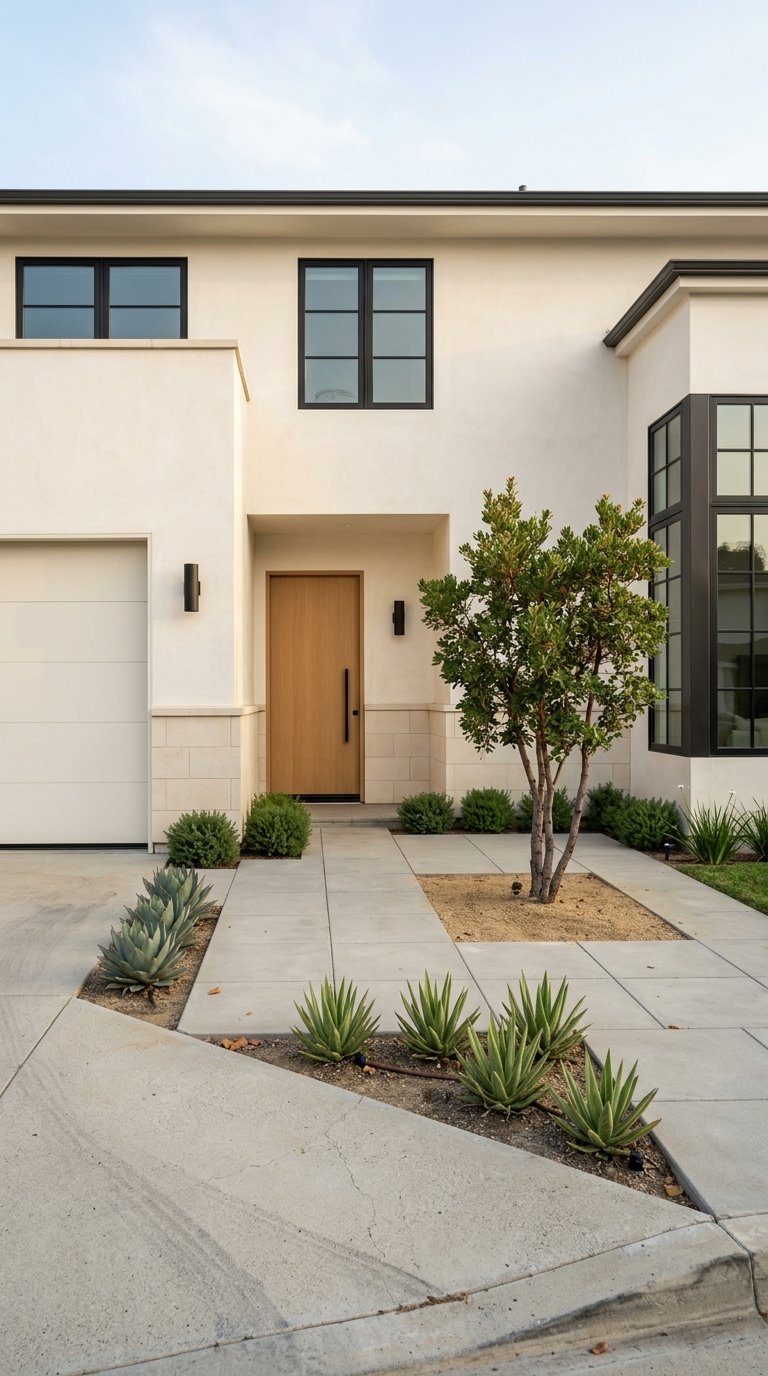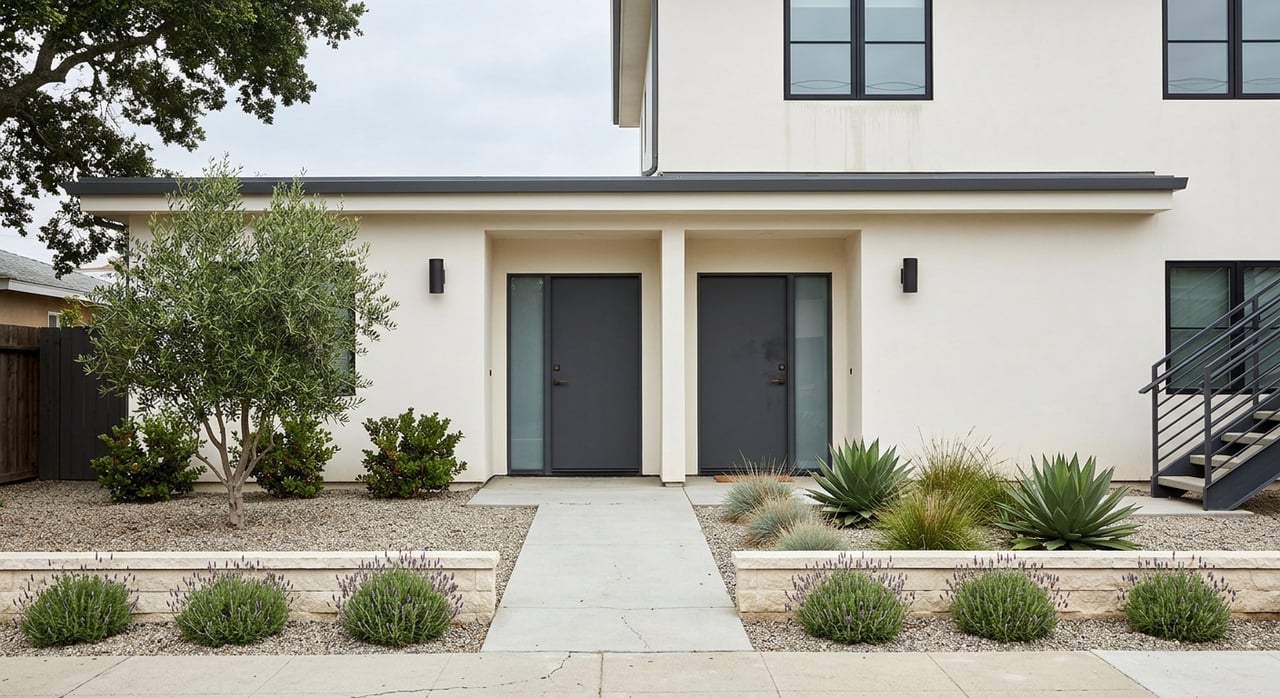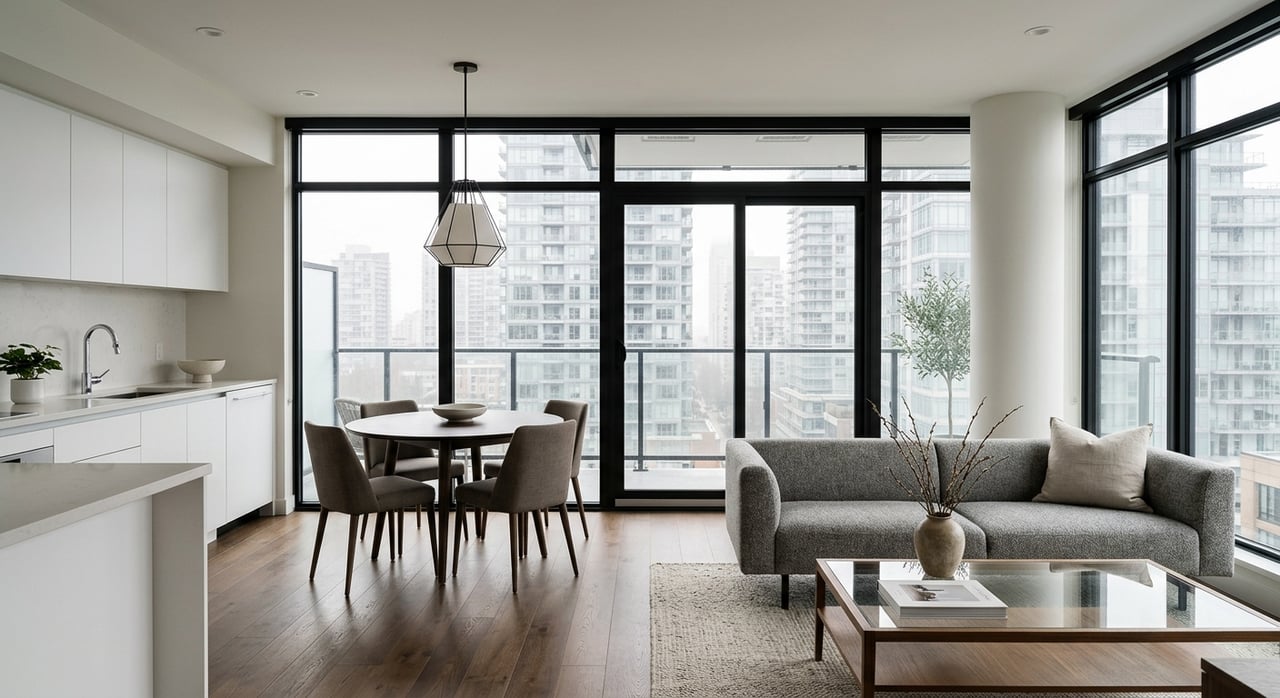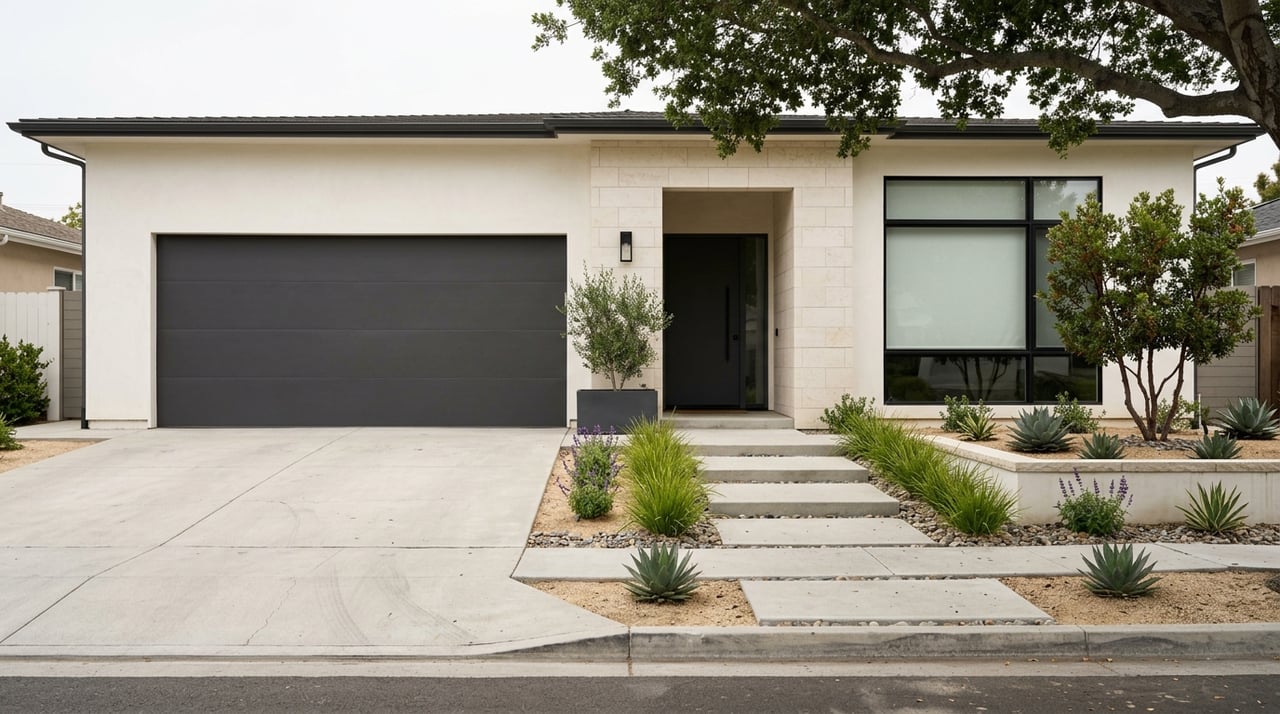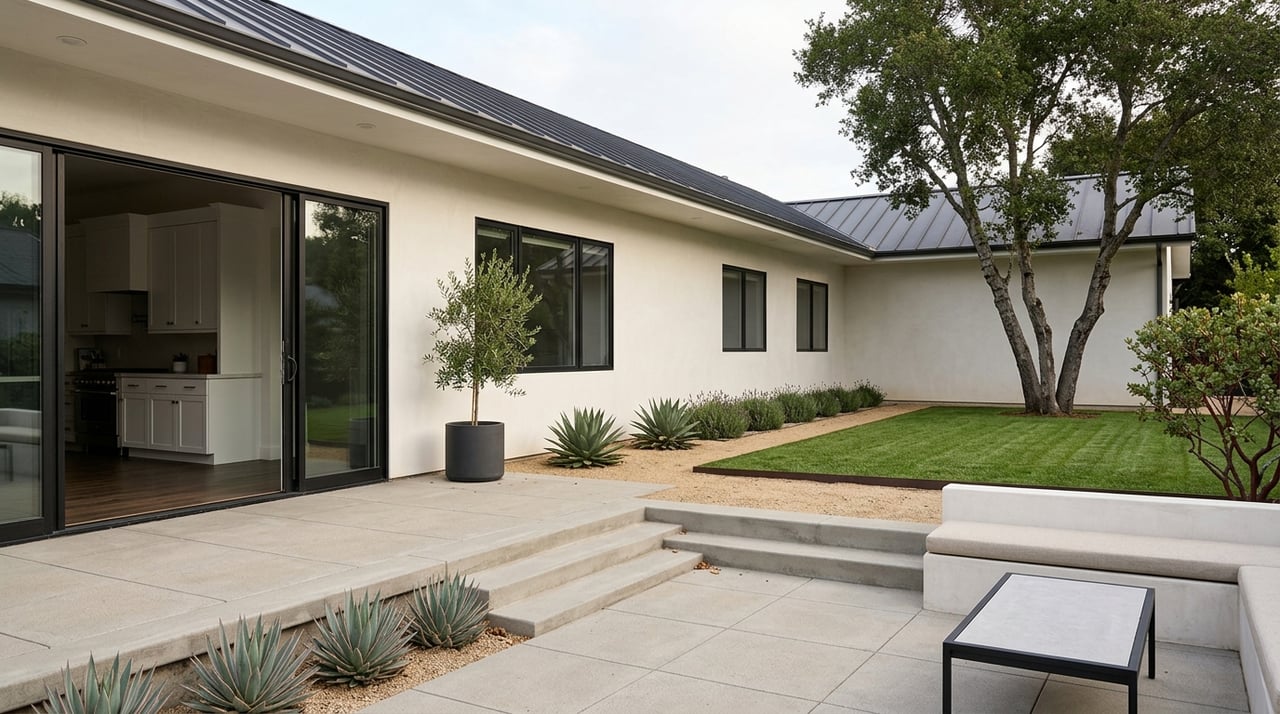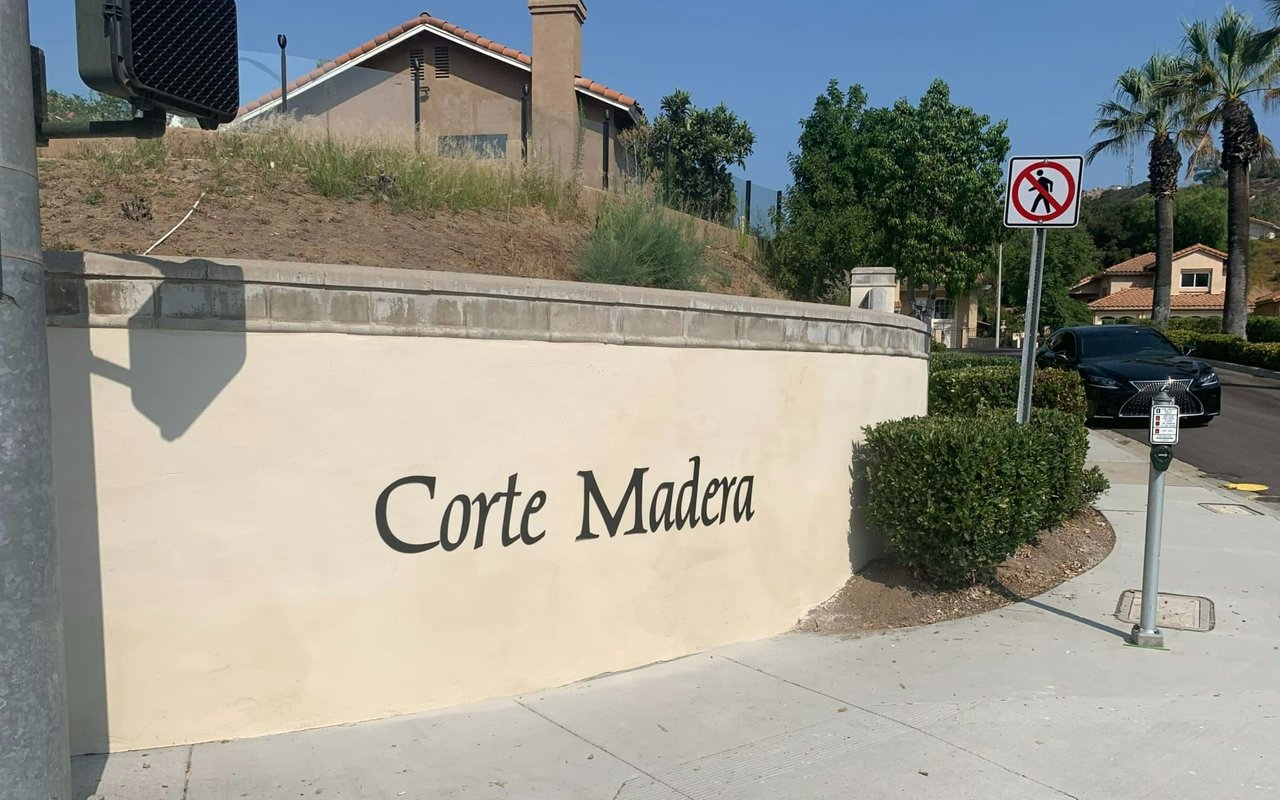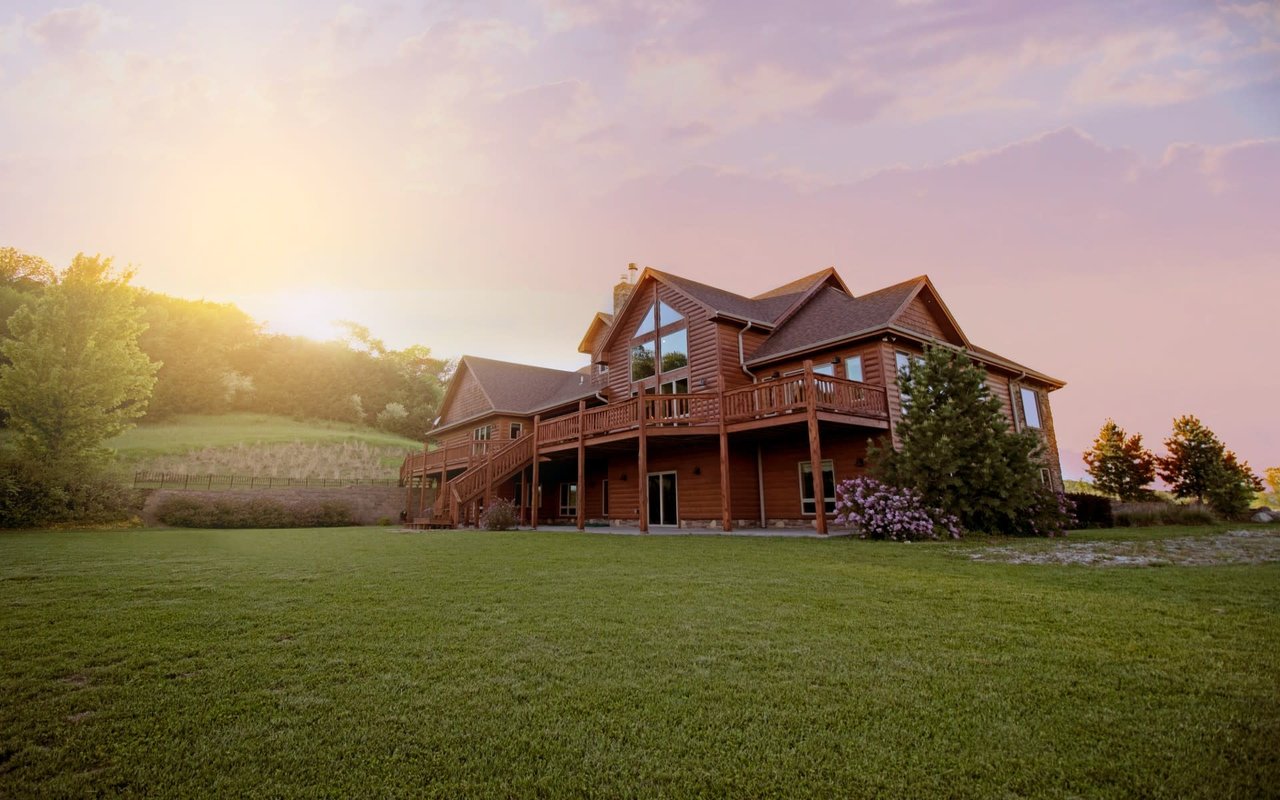
Picture your morning ride starting from your own barn, with open skies and miles of nearby trails. If you are drawn to space, privacy, and a rural feel close to San Diego, Jamul can be a great fit. Buying a horse or acreage property here is different from buying a typical suburban home, so you want the right facts up front. This guide walks you through zoning and animal rules, water and septic checks, wildfire and insurance factors, pricing patterns, and a practical buyer checklist. Let’s dive in.
Why Jamul works for horse living
Jamul sits in unincorporated East County San Diego and offers a semi-rural lifestyle with larger lots and a quieter pace. Many buyers choose Jamul for access to open space and horseback riding opportunities. The San Diego National Wildlife Refuge spans the broader area and signals the region’s strong connection to nature and habitat corridors. You can explore the refuge’s local background through the U.S. Fish and Wildlife Service’s overview of the San Diego National Wildlife Refuge.
Pricing varies with usable land, access, and improvements. Based on recent listing observations, smaller usable-acre parcels around 1 to 3 acres with basic horse features often list in the roughly 800,000 to 1.6 million range. Improved 3 to 10 acre properties and estates commonly run about 1.2 to 2.5 million, with larger or more complex parcels priced by factors like access, water, and septic. For context, see current examples on Homes.com’s Jamul listings page. Always use current comps and on-the-ground guidance before making an offer.
Zoning and animal rules: know your designator
Jamul follows San Diego County’s General Plan and Zoning Ordinance since it is unincorporated. Every parcel has a zone and an Animal Designator that together set what types of animals are allowed and in what numbers. There is no single rule for “X horses per acre” in Jamul. The limits depend on the animal designator attached to that specific lot.
Start by confirming the parcel’s official zoning and animal designator, then review the county’s rules. You can reference the County Zoning Ordinance for use regulations and access to definitions for residential and agricultural zones in the San Diego County Zoning Ordinance. For animal allowances and setbacks, consult the Animal Regulations and Schedule summarized in the county’s published material, including the Animal Regulations section and schedule. If you plan to operate any commercial equestrian activity, expect permit reviews that are more detailed than private horsekeeping.
Accessory buildings, arenas, and fencing
Barns, tack rooms, hay storage, and arenas are often allowed as accessory or agricultural structures in rural zones, but size and placement are controlled by setbacks and lot-based square footage caps. Before planning a large barn or arena, confirm the accessory structure limits and any required permits under the County Zoning Ordinance. Fencing for corrals can also have specific height and material allowances in agricultural and rural zones.
Conservation overlays and grading
Some Jamul properties fall within habitat and conservation overlays tied to the region’s natural resources. These overlays may add steps for biological review, grading limits, or mitigation if you plan a large arena, a big barn pad, or a lot split. The area’s connection to the San Diego National Wildlife Refuge underscores why biology can be part of a project’s permitting.
Water, septic, and utilities
Water sources in Jamul
Water service varies across Jamul. Some neighborhoods are within the Otay Water District’s service area, while many parcels rely on private wells or mutual water companies. Always verify service and meter status for the exact parcel, and ask about connection costs or membership requirements. The Otay Water District FAQ is a useful starting point. For mutual systems, you can look up system details on California’s Drinking Water Watch, such as the listing for Sunrise Estates Mutual Water Company shown on California Drinking Water Watch.
Septic basics and feasibility
Most acreage properties in Jamul use onsite wastewater systems. San Diego County’s Department of Environmental Health and Quality (DEHQ) administers septic permitting, including percolation tests, design review, and installation approvals. New systems typically require a 100 percent reserve area and minimum separation from groundwater. If you are buying land or planning expansions, order a feasibility or perc test early. Review requirements and process on the county’s Septic Systems program page, and budget using the latest DEHQ land use and septic fee schedule.
Power and internet
SDG&E serves electricity in the area, but service capacity and broadband options can vary with distance and terrain. If you plan for arena lighting, heated waterers, or an accessory dwelling, confirm panel capacity and potential upgrade costs. For internet, many rural owners use fixed wireless or cellular-based solutions if wired service is limited.
Wildfire, access, and insurance
Jamul is served by San Diego County Fire in partnership with CAL FIRE. Rural response times can be longer than in dense neighborhoods, so evaluate driveway access, turnarounds, and distance to the nearest station. You can learn more about County Fire’s structure and communities served on the San Diego County Fire overview.
Most of Jamul lies in mapped Fire Hazard Severity Zones that influence defensible space rules, potential building standards, and insurance availability. Check your parcel’s classification using CAL FIRE resources on Fire Hazard Severity Zones. Plan to harden structures, maintain defensible space, and get an early insurance check during contingencies.
How to read a Jamul parcel: buyer checklist
Use this quick checklist to organize your due diligence before you remove contingencies:
- Zoning and animal designator. Verify both with the County and read the applicable rules in the Zoning Ordinance and the Animal Regulations schedule.
- Septic feasibility. Order a perc or soil feasibility review early and confirm design options with DEHQ. Start with the County’s Septic Systems program.
- Water source and meter status. Confirm public meter, mutual system membership, or private well capacity. Use the Otay Water District FAQ and request documentation for any mutual system, such as records found via California Drinking Water Watch.
- Accessory buildings and grading. Check allowed accessory square footage, setbacks, and whether barns or arenas need permits under the Zoning Ordinance. Ask about any habitat overlay that could affect grading.
- Fire risk and access. Confirm the property’s Fire Hazard Severity Zone using CAL FIRE’s FHSZ resources and review driveway access and defensible space with County Fire.
- Easements and road maintenance. Review recorded easements, water rights, and any private road agreements in the title report.
- Utilities and communications. Confirm electrical panel capacity and realistic internet options early in your planning.
- Insurance and lending. Get an early insurance quote for high fire areas and secure a lender pre-approval that fits rural property features.
- Local context. Talk to neighbors or community contacts about mutual water assessments, road costs, and seasonal conditions.
Putting it all together
Buying a horse or acreage property in Jamul is all about matching your vision to what a specific parcel allows and supports. When you confirm zoning and animal designators, verify water and septic feasibility, and plan for wildfire realities, you set yourself up for a smoother escrow and a property that truly works for your needs. With careful due diligence, Jamul can offer the space, privacy, and riding lifestyle you want.
If you would like local guidance on a specific parcel, pricing comps, or a step-by-step plan for inspections and permits, the Lyle + Grace Team is here to help. We have decades of East County experience and a process that keeps your purchase organized and on track.
FAQs
What makes Jamul a good place for horse properties?
- Larger lots, a semi-rural setting, and proximity to open space and regional trails make Jamul appealing for private horsekeeping.
How many horses can I keep on a Jamul property?
- It depends on the parcel’s zoning and Animal Designator. Check the County’s Zoning Ordinance and Animal Regulations before assuming any number.
Do most Jamul acreage homes have public water or wells?
- Both exist. Some areas have Otay Water District service, while many parcels rely on private wells or mutual water companies. Always verify meter or membership status.
What septic steps should I take before buying acreage?
- Order a percolation or septic feasibility review early, confirm design options with DEHQ, and budget for potential upgrades or alternative systems if needed.
How does wildfire risk affect buying in Jamul?
- Fire Hazard Severity Zones can impact insurance, defensible space, and construction details. Check the property’s zone and get early insurance quotes during contingencies.