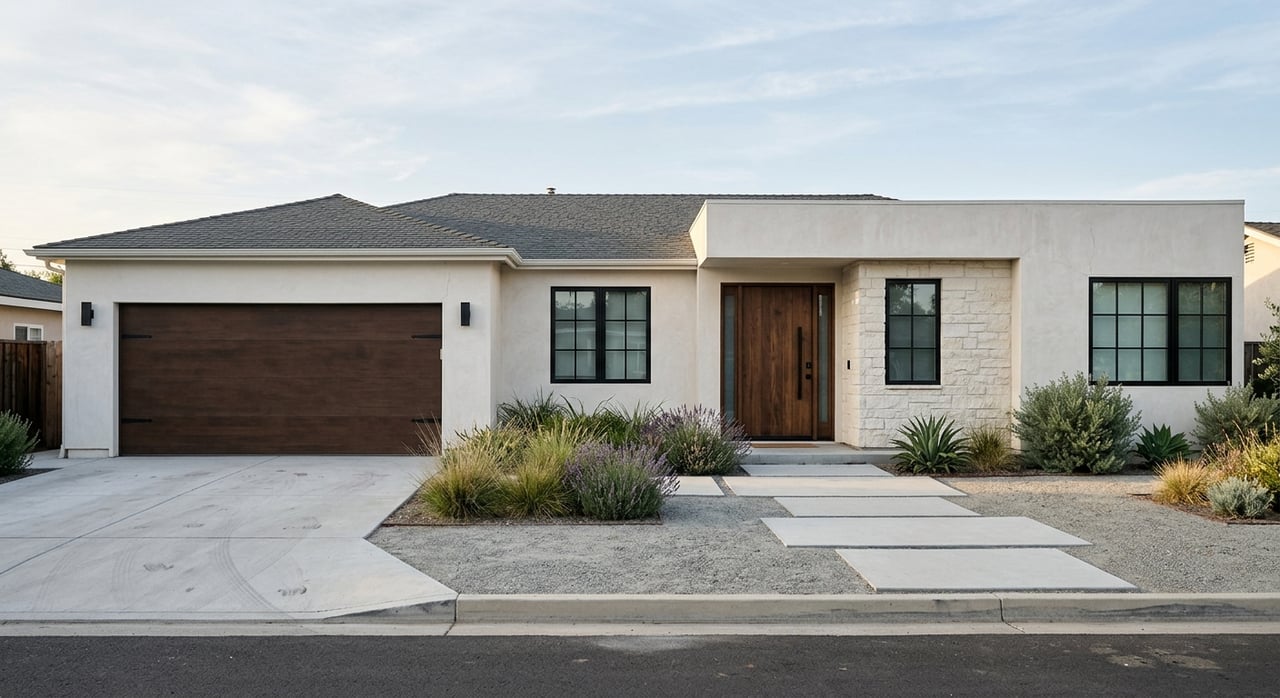
If you picture East County as one single lifestyle, you may be surprised by how much it changes from one community to the next. Some areas feel more connected to transit and daily errands, while others give you more space, more open land, and a quieter pace. If you are trying to decide where you might feel most at home, this guide will help you understand what daily life is really like across East County. Let’s dive in.
East County feels different than the coast
One of the first things you will notice is the climate. East County sits farther inland, and that changes the day-to-day feel in a real way.
NOAA climate normals for El Cajon show an annual mean temperature of 65.1°F and annual precipitation of 11.63 inches. The National Weather Service also notes that while the Pacific helps moderate coastal areas, eastern sections and outlying suburbs can get much warmer, with temperatures reaching the 90s and even 100s during dry easterly winds.
For you, that often means planning outdoor time a little differently. Early mornings and evenings can be the most comfortable time for walks, yard work, or exercise, especially in the warmer months.
Rain mostly falls between November and March, and fog tends to decrease as you move inland. That means many East County neighborhoods feel sunnier and drier on a typical day than coastal parts of San Diego County.
Daily routines depend on where you live
East County is broad, and your daily routine can look very different depending on whether you live in La Mesa, El Cajon, Lakeside, Spring Valley, or Jamul. Commute style, errand time, and access to transit all shift as you move east.
Census commute data shows relatively moderate travel times by Southern California standards. La Mesa averages 23.8 minutes, El Cajon 24.8, Lakeside 25.6, Spring Valley 26.2, and Jamul 34.7.
That tells you something important. Many East County residents can reach work, shopping, and day-to-day stops without the very long commutes some buyers expect, but driving still plays a big role in most areas.
Transit is strongest in La Mesa and El Cajon
If transit matters to you, La Mesa and El Cajon stand out. MTS says the Orange Line serves La Mesa and downtown San Diego every 15 minutes on weekdays from 4:30 a.m. to after 11 p.m.
MTS also says the Green Line runs every 15 minutes through El Cajon, with the last trip from El Cajon to downtown around midnight. Starting in September 2024, the Copper Line began serving stations between El Cajon Transit Center and Santee Town Center every 15 minutes most of the day.
If you want more flexibility to mix driving with trolley access, these areas offer the clearest advantage. Farther east or into the hills, a car is usually a more practical part of daily life.
La Mesa offers a more walkable feel
La Mesa often appeals to buyers who want a stronger sense of a central gathering area. The city’s downtown plan calls for local shops, restaurants, community events, culture, walkable plazas, and a variety of housing types.
The civic center area also brings together practical daily stops. According to the city, Allison Avenue serves as the primary entrance to the civic center, including the library, post office, city hall, fire station, and police station.
La Mesa’s urban trails plan adds another layer to daily life. The city says these connections help residents reach parks, recreation, medical facilities, retail, restaurants, and transit.
Housing in La Mesa is varied
La Mesa has a more mixed housing pattern than some other East County communities. Census QuickFacts show an owner-occupied housing rate of 47.7% and a median owner-occupied value of $812,000.
Combined with the city’s focus on mixed housing types in the downtown plan, that points to a market where detached homes, condos, townhomes, and rentals all play a role. If you like having options in how and where you live, La Mesa may feel especially flexible.
El Cajon blends convenience and recreation
El Cajon has one of the most varied daily lifestyles in East County. It is about 15 miles east of downtown San Diego, and it combines an urban-suburban feel with strong access to parks, services, and transit.
For recreation, the city’s Parks & Recreation Department operates parks, recreation centers, classes, special events, and sports fields. That can shape everyday life more than buyers sometimes expect, especially if you enjoy public amenities close to home.
Wells Park is one example of that range. The city says it includes lighted sports fields, a dog park, pickleball courts, a fitness court, a futsal mini-pitch, and basketball courts, while recurring events like Movies in the Park add a community rhythm throughout the year.
El Cajon has a broad housing mix
El Cajon also stands out for housing variety. The city’s housing element says it expected to need about 3,200 new houses, condos, or apartments over eight years, with rezoning focused on downtown, the Fletcher Parkway corridor, the Parkway Plaza and Arnele Transit Station area, and the East Main Corridor.
Census QuickFacts show an owner-occupied rate of 41.5%. For you, that likely means a market with a sizable mix of owner-occupied homes, rentals, multifamily properties, and mixed-use areas.
If you want convenience, recreation programming, and a broader range of housing options, El Cajon often gives you more to choose from. It can be a practical fit if you want an active, connected day-to-day lifestyle.
Lakeside leans into open space and recreation
Lakeside tends to feel more suburban while still keeping a strong connection to outdoor space. If your ideal week includes trails, parks, and room to spread out a bit, Lakeside may stand out.
Lindo Lake County Park is a major part of that lifestyle. The county describes it as a primary recreation center with picnic areas, a skate park, playground, softball field, butterfly garden, horseshoe pits, tennis courts, and 1.5 miles of ADA-friendly multi-use trails.
The area also includes the Lakeside Community Center on the shore of Lindo Lake, the Lakeside Linkage Preserve, and the Dianne Jacob Lakeside Equestrian Park. That gives Lakeside a recreation-forward identity that many buyers find appealing.
Lakeside housing feels more owner-occupied
Census QuickFacts show Lakeside with a 68.5% owner-occupied rate and a median owner-occupied value of $634,400. Compared with some of the more mixed housing environments closer to the urban core, Lakeside reads as more heavily owner-occupied.
That tends to line up with a more suburban housing pattern overall. If you want a community that balances neighborhood living with regular access to outdoor amenities, Lakeside often sits in that middle ground.
Spring Valley offers a residential pace
Spring Valley often feels more residential in its daily rhythm. It is still shaped by parks and open space, but it generally reads as less civic-center focused than La Mesa and less urban-suburban than El Cajon.
County parks play a clear role here. Spring Valley County Park, Lamar County Park, and Bancroft County Park offer sports and play space, picnic areas, and open space, while Bancroft also includes a historic rock house.
County land-use maps show village residential, semi-rural residential, and open-space categories in Spring Valley. That points to a community where suburban neighborhoods and less dense hillside areas can exist fairly close to each other.
Spring Valley sits between suburban and semi-rural
Census QuickFacts show a 64.3% owner-occupied rate and a median owner-occupied value of $714,700. That supports the idea of a housing market with a strong detached-home presence, while still offering some variety.
If you want a residential setting with parks, neighborhood pockets, and some variation in density and terrain, Spring Valley can offer that balance. It often appeals to buyers looking for space without going fully rural.
Jamul brings a rural lifestyle
Jamul feels the most rural of the communities covered here. County and watershed planning materials describe Jamul and the Jamul/Dulzura area as rural, with low-density residential housing, small commercial zones, and an emphasis on preserving natural character and open space.
That shapes your daily life in a very practical way. You may get more privacy and a quieter setting, but you will also likely drive more for errands, dining, and routine stops.
For some buyers, that tradeoff is exactly the point. If you value breathing room, natural surroundings, and separation from a busier pace, Jamul can feel very different from the rest of East County.
Jamul homes often come with more space
Census QuickFacts show Jamul with a 95.6% owner-occupied rate and a median owner-occupied value of $1,047,300. Combined with the county’s description of low-density rural residential development, that suggests a market shaped by larger lots and a stronger ownership profile.
If your idea of home includes privacy, land, and a rural atmosphere, Jamul is often the clearest match in East County. It is less about convenience and more about space and setting.
East County is a spectrum
The biggest takeaway is simple: East County is not one lifestyle. It is a spectrum that ranges from more walkable and transit-connected areas to more suburban neighborhoods and rural communities.
If you want walkability and easier transit access, La Mesa may rise to the top. If you want convenience, recreation programming, and a broad housing mix, El Cajon offers a lot of range.
If you are looking for suburban neighborhoods with parks and open space, Lakeside and Spring Valley often sit in the middle. If privacy, acreage, and a rural feel matter most, Jamul usually stands apart.
The best fit depends on how you want your everyday life to feel, not just what kind of house you want to buy. That is where local perspective can make a big difference.
When you are ready to talk through East County neighborhoods, housing options, or your next move, the Lyle + Grace Team can help you find the right fit with local insight and a clear plan.
FAQs
What is the climate like in East County San Diego?
- East County is generally warmer and drier than coastal San Diego, with most rain falling from November through March and hotter summer conditions more common inland.
Which East County areas have the best transit access?
- La Mesa and El Cajon have the strongest transit access, with Orange Line, Green Line, and Copper Line service connecting key stations and downtown San Diego.
What is daily life like in La Mesa?
- La Mesa tends to offer a more walkable lifestyle with a civic-center feel, local shops and restaurants, community events, and housing options that include detached homes and multifamily properties.
What is daily life like in El Cajon?
- El Cajon blends urban-suburban convenience with parks, recreation programs, events, transit access, and a wide range of housing types.
What is daily life like in Lakeside?
- Lakeside has a more suburban feel with strong access to parks, trails, recreation facilities, and outdoor spaces that shape everyday routines.
What is daily life like in Spring Valley?
- Spring Valley feels more residential, with county parks, suburban neighborhood areas, and some less dense hillside sections.
What is daily life like in Jamul?
- Jamul offers a rural lifestyle with low-density housing, more privacy, more open space, and a greater reliance on driving for everyday errands.
Which East County community is best for more space and privacy?
- Jamul is the clearest fit if you want more space, larger lots, and a rural atmosphere, while Lakeside and parts of Spring Valley may also appeal if you want a less dense setting.