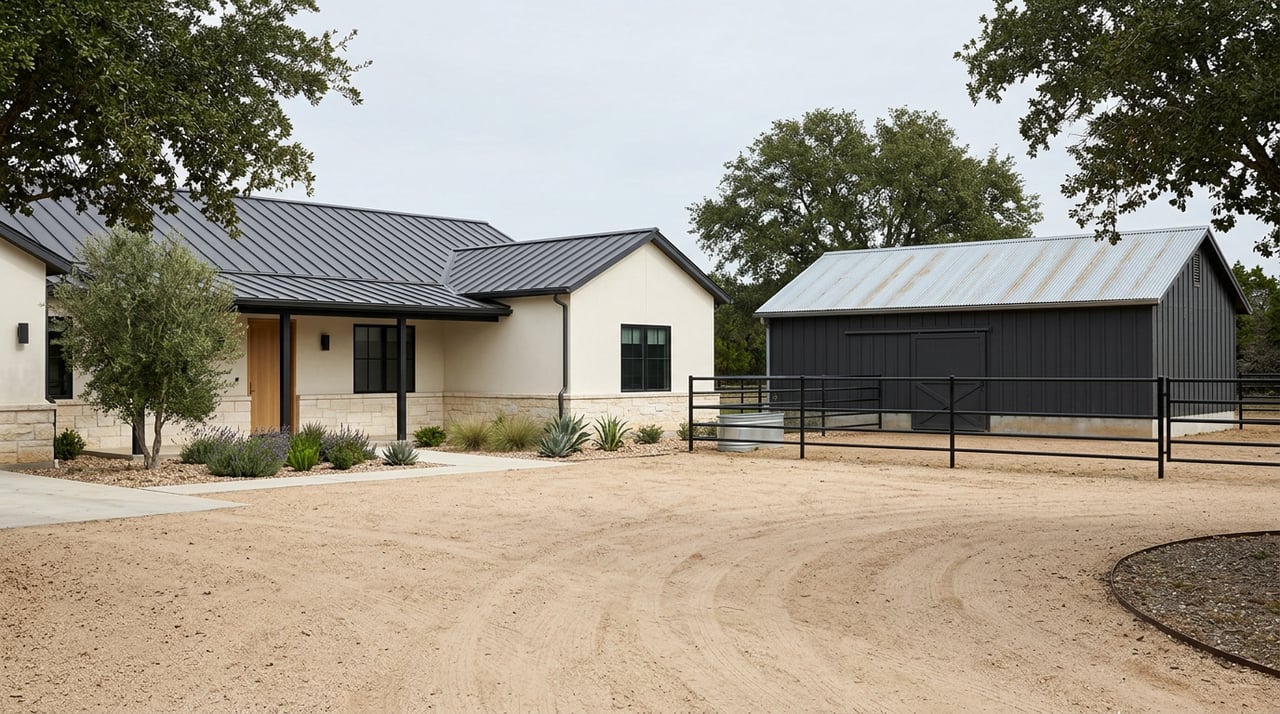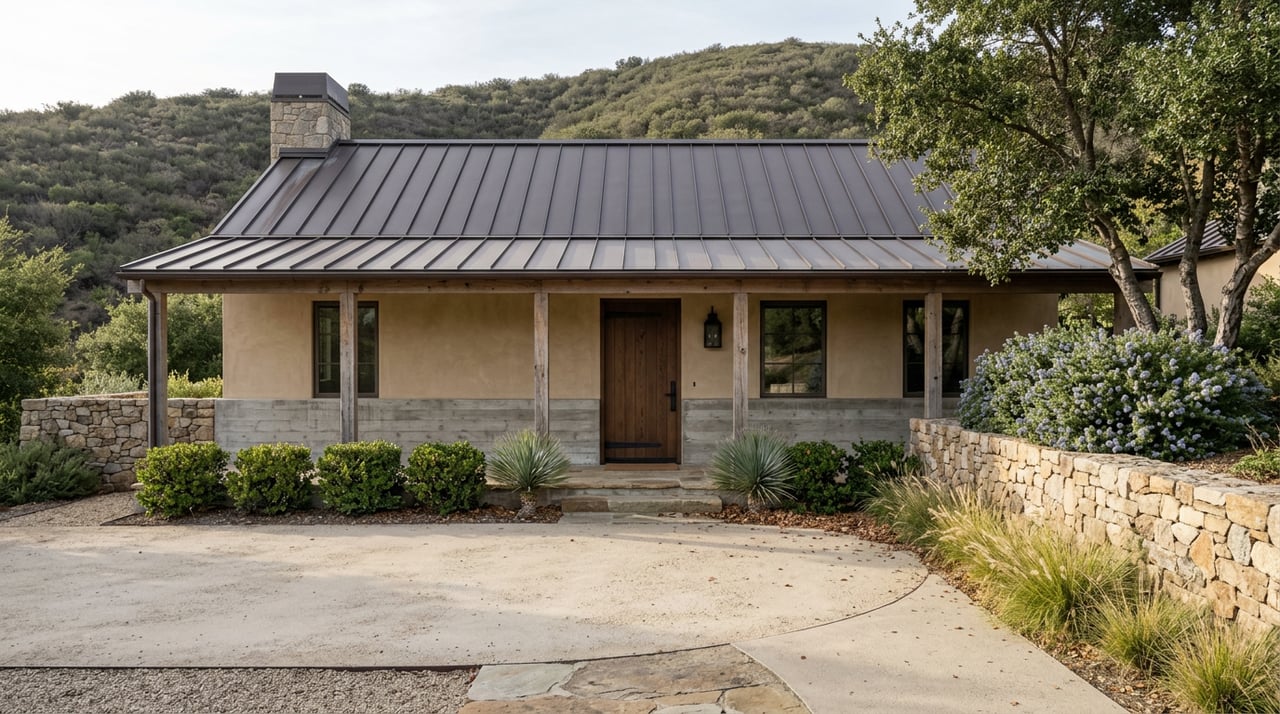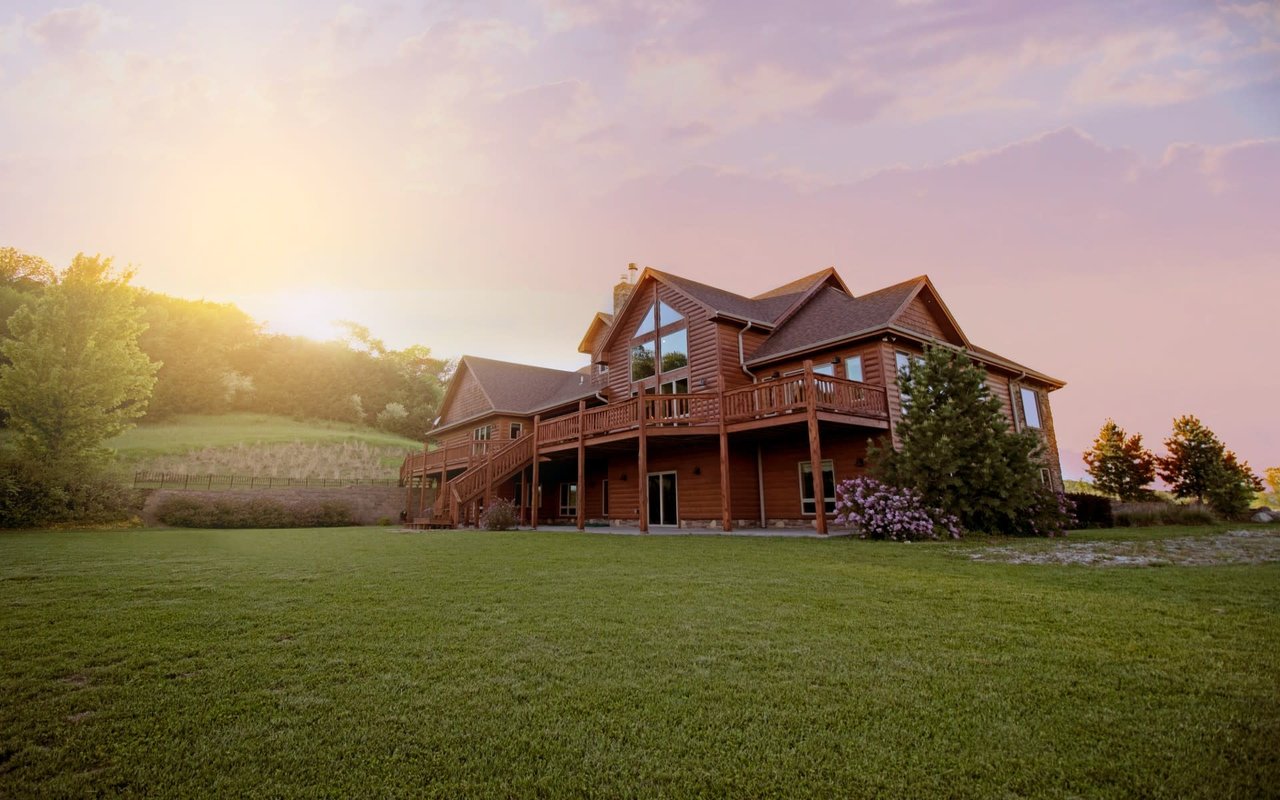
A buyer falls for a two-acre parcel in Eucalyptus Hills. There is a barn, a small arena, cross-fencing along the property line, and enough flat pad to turn out two horses comfortably. The offer gets accepted. Then the loan file lands on an appraiser's desk, and the deal slows down for a reason that has nothing to do with the buyer's enthusiasm or the seller's price.
That is the part of Lakeside's horse-property market that rarely makes it into a listing description. The median home price in Eucalyptus Hills sat at $949,900 as of July 2026, with homes averaging 51 days on market. Those numbers describe a healthy, steady neighborhood. They do not describe what actually happens to a meaningful share of these transactions between acceptance and closing, which is that the property has to be valued by a process built for tract homes and financed through a system that treats "horse property" as three or four different categories depending on how the horses are used.
The Barn Doesn't Comp Like the Kitchen
Standard residential appraisals work by comparing a subject property to recent sales of similar homes nearby. That system depends on there being enough similar homes to compare. In Eucalyptus Hills, where lots run one to five acres on curvy paved roads and no two parcels carry quite the same mix of outbuildings, pens, or pasture, the comparable pool thins out fast. One appraiser lender network working across California and Oregon puts it plainly: horse property appraisals require specialized expertise, because the appraiser has to value arenas, barns, and paddock fencing and then determine whether comparable sales actually support the price, and not every appraiser is equipped to do that work.
That gap shows up directly in Eucalyptus Hills pricing. Homes in the neighborhood have listed anywhere from $699,000 to $1,595,000, a spread wide enough to suggest the market is inconsistent when it is actually just responding to how much equestrian infrastructure sits on the parcel and how confidently that infrastructure gets valued. A midcentury ranch with open pens and pasture lands closer to the bottom of that range. A custom home with outbuildings, a pool, and entry gates lands closer to the top. The difference is not cosmetic. It is the appraiser's confidence in pricing improvements that don't show up in a typical comp sheet.
One Property, Several Possible Loans
The financing side compounds the problem, because a horse property in Lakeside does not have one standard loan path. It has several, and which one a buyer needs depends on how the horses are actually kept.
| Use case | Typical financing path | Key requirement |
|---|---|---|
| Personal horses, owner-occupied | Conventional, FHA, or VA hobby farm program | Barns, arenas, and pasture covered as part of the residential loan; conventional down payments can start around 3 to 5 percent |
| Boarding, training, or other income-producing equestrian use | Agricultural or commercial financing | Classified separately from residential lending, with underwriting built around the business use |
| Larger acreage equestrian facilities | Specialized agricultural loan programs | One California and Oregon program caps loan-to-value around 70 percent and requires a minimum of five acres |
A buyer who assumes their two-acre personal-use parcel qualifies for a standard conventional loan is usually right. A buyer who discovers mid-escrow that the seller once boarded horses for neighbors, or that the property's water rights and outbuildings read as a small commercial operation, can find themselves reclassified into agricultural underwriting they never budgeted time or cash for. That reclassification, more than any negotiation over price, is what pushes a Eucalyptus Hills escrow past the neighborhood's 51-day average.
What Surfaces Mid-Escrow, Not Before
Three additional details tend to surface after the appraisal has already been ordered, which is the worst possible time to discover them.
The first is well and septic status. Eastern Lakeside acreage, including much of Eucalyptus Hills, depends on private well and septic systems rather than municipal service, and that condition needs to be verified rather than assumed functional before anyone treats the land as fully improved. A well that hasn't been tested in years, or a septic system nobody has inspected, becomes a lender condition that adds weeks.
The second is fire-hazard severity zone status. Hillside and canyon parcels in and around Eucalyptus Hills and Wildcat Canyon Road carry designations that affect insurance cost and need to be disclosed. An insurance quote that comes back higher than expected, or slower than expected, can stall a closing date that both sides thought was locked.
The third is specific to Winter Gardens, where the housing stock is a genuine mix of manufactured and site-built homes. An appraiser working a Winter Gardens file has to treat those two property types as separate comparable pools. A seller whose site-built home gets compared against manufactured housing sales nearby, or vice versa, ends up fighting a valuation problem that has nothing to do with the home itself.
None of these three items are unusual for Lakeside. They are simply the kind of detail that a seller who prices and lists based on a general sense of "the market" will not think to gather in advance, and a seller who understands the neighborhood's actual transaction mechanics will.
Getting Ahead of the Appraisal Before It Happens
The sellers who move through escrow closest to that 51-day average, rather than well past it, tend to do a few things before the property ever goes live.
They have their equestrian facilities measured, not estimated. Arena dimensions, barn square footage, and usable flat pad area are exactly the kind of detail that adds real value in an equestrian appraisal, and having documentation ready saves the appraiser from guessing.
They are upfront about how the property has actually been used. If horses have only ever been personal, saying so clearly heads off any confusion about whether a buyer's file needs to move toward agricultural underwriting.
They pull well production and septic records ahead of time rather than waiting for a lender to request them. A functioning private system is a selling point. An unverified one is a delay.
They confirm fire-hazard severity zone status and have a sense of what that means for insurance before a buyer's lender starts asking questions.
And in Winter Gardens specifically, they make sure their agent understands which comparable pool their home actually belongs to before a low appraisal becomes a renegotiation.
The Real Takeaway for Eucalyptus Hills Sellers
The Dianne Jacob Lakeside Equestrian Park, which opened in December 2023 at the corner of Moreno Avenue and Willow Road, and the boarding stables and riding schools scattered through Eucalyptus Hills are not just neighborhood color. They are evidence that this is a working equestrian community, which is exactly why its real estate doesn't move through a standard residential pipeline. The Walker Preserve Trail and Lindo Lake County Park give the neighborhood its recreational identity. The appraisal process gives it its transaction reality.
A seller who treats a horse property like any other single-family home in Lakeside is pricing correctly and still risking a slow close. A seller who understands that the barn, the arena, the well, and the fire zone designation are all going to get scrutinized separately from the house itself is the one who keeps a deal on schedule.
Frequently Asked Questions
Does every horse property in Lakeside need agricultural financing? No. Personal-use properties, where the horses belong to the owner and there is no boarding or training income, generally qualify for conventional, FHA, or VA financing designed for hobby farms. Agricultural or commercial financing becomes relevant only when the equestrian use is income-producing.
Why do Eucalyptus Hills home prices vary so widely for similar acreage? Much of that spread reflects how confidently barns, arenas, and pasture get valued on a given parcel rather than differences in the underlying land. A property with well-documented facilities and clean comparables tends to appraise more predictably than one where the appraiser has to estimate.
What should I have ready before listing a horse property in Lakeside? Measured documentation of any barns, arenas, or paddock fencing, current well production and septic records if the property relies on private systems, and a clear answer on whether the horses have ever been kept for boarding or training income.
If you own a horse property in Lakeside and want a clear read on how it will actually move through appraisal and financing, not just what it might list for, the Lyle + Grace Team has the local grounding to walk you through it. Sell Your Place with Lyle and Grace.